
Investiture
Investiture is the formal, symbolic act of bestowing an office, title, or authority—common in state, aristocratic and religious settings—through the presentation of insignia or rites.
Overview
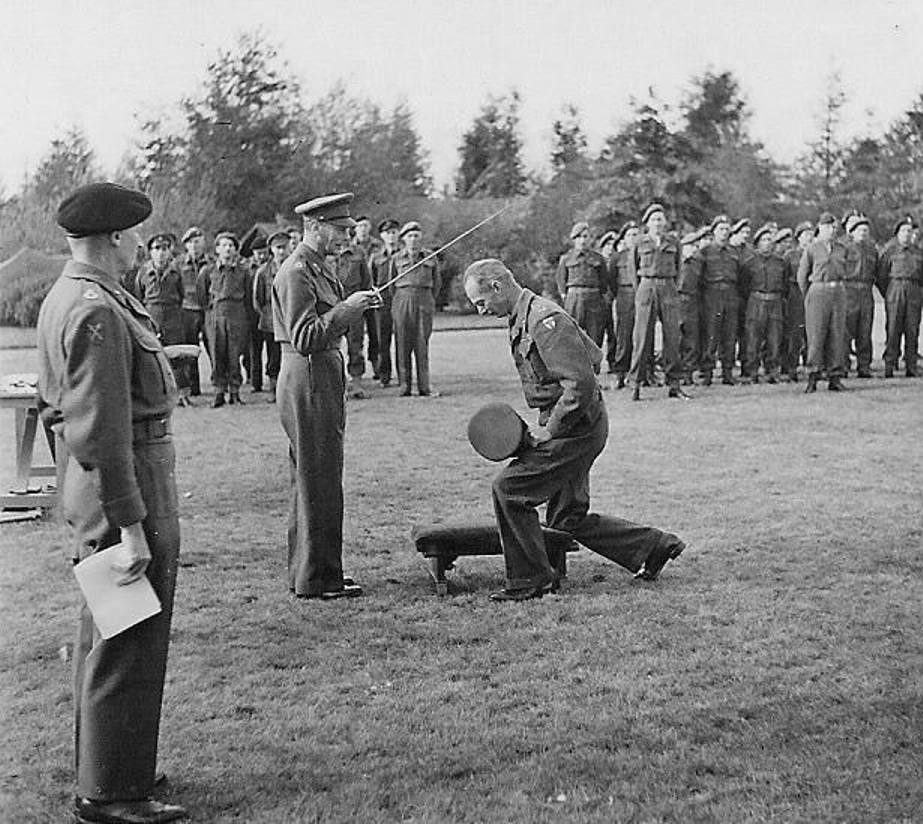
Investiture denotes the formal act by which a person is installed into an office, rank, title or benefice. The ceremony usually involves presenting visible marks or tokens of authority, often called insignia. The term is most frequently applied to appointments in the state, the aristocracy and the church, where public ritual underlines legal and social legitimacy.
Image gallery
2 Images
Characteristics and symbols
Although customs vary by culture and institution, investiture commonly combines a public proclamation with symbolic transfer: robes, badges, rings, sceptres or maces may be given or shown. In ecclesiastical settings the objects can include a pastoral ring, staff and mitre, each signifying particular responsibilities. The procedures and meaning of that handover are often governed by canon law or comparable codes of practice.
Historical development
In medieval Europe the word had a technical sense in the feudal order. During the Middle Ages a lord handed over a fief to his vassal by a visible act: soil, a twig, a lance or a charter could function as emblematic proof of tenure. That ritual emphasized the personal bond between overlord and vassal and the duties each owed the other. The ceremony itself was often described as ceremonial transfer because its form and words carried legal weight as well as social symbolism.
Conflict and transformation
Because investiture links authority with ritual objects, it has been at the center of disputes over who may grant office. A well-known medieval tension pitted secular rulers against church authorities over the right to appoint bishops and abbots. Over time, political change, codified law and evolving notions of legitimacy reduced the once-dominant role of feudal investiture, while retaining its ceremonial importance.
Modern forms and uses
Today investiture survives in diverse forms: inauguration and swearing-in ceremonies for heads of state, investiture into orders of chivalry, the presentation of judicial robes and the installation of religious leaders. Many modern rites emphasize transparency and institutional continuity rather than private patronage; yet the symbolic exchange — the handing over of regalia or credentials — remains central.
Typical contexts and distinctions
- State ceremonies: coronations, inaugurations and presentations of honours.
- Aristocratic practice: creation of peers, the granting of hereditary titles.
- Religious rites: installation of bishops, abbots and other clerics.
While often ceremonial, investiture can have legal consequences when statutory rules attach rights or property to the ceremony. Its importance lies in making a transition visible and recognisable to the community and institutions involved.
For further reading on ritual forms, legal aspects and historical examples see entries on related topics and institutional guidelines: insignia, state, aristocracy, Middle Ages, ceremonial, overlord, vassal, canon law, mitre.
Questions and answers
Q: What is investiture?
A: Investiture means the formal installation of somebody, such as an heir, elect or nominee, in public office by formally giving him the "insignia".
Q: What offices is the term investiture normally reserved for?
A: The term investiture is normally reserved for formal offices of state, aristocracy and church.
Q: What does investiture mean in the Middle Ages?
A: In the Middle Ages, investiture was the ceremonial transfer of a fief by an overlord to a vassal.
Q: What did the lord do in the investiture in feudal times?
A: The lord invested the vassal with a fiefdom, by giving a symbol of the land or office.
Q: How has the term investiture been used in canon law?
A: From feudal times up to the present, the term investiture has been used in canon law to refer to a cleric receiving the symbols of spiritual office, such as the pastoral ring, mitre and staff, signifying transfer of the office.
Q: What is the purpose of giving the "insignia" during investiture?
A: The purpose of giving the "insignia" during investiture is to formally install someone in public office.
Q: Who can be formally installed through investiture?
A: Anyone, such as an heir, elect or nominee, can be formally installed through investiture.
Related articles
Author
AlegsaOnline.com Investiture Leandro Alegsa
URL: https://en.alegsaonline.com/art/47926