
Iitate (Iitate-mura), Village in Fukushima Prefecture
Iitate is a village in Sōma District, Fukushima Prefecture, Japan. Severely affected by the 2011 nuclear accident, it underwent long evacuations, decontamination efforts, and a slow, ongoing recovery.
Overview
Iitate (Iitate-mura) is a rural village in Sōma District of Fukushima Prefecture in Japan. Traditionally an area of farming and forestry on upland terrain, it became widely known beyond the region after the 2011 Tōhoku earthquake and the Fukushima Daiichi nuclear accident. The village government, local communities, and external agencies have been engaged in long-term recovery and planning since that event. For more localized information see the village administrative resources at Iitate.
Image gallery
3 Images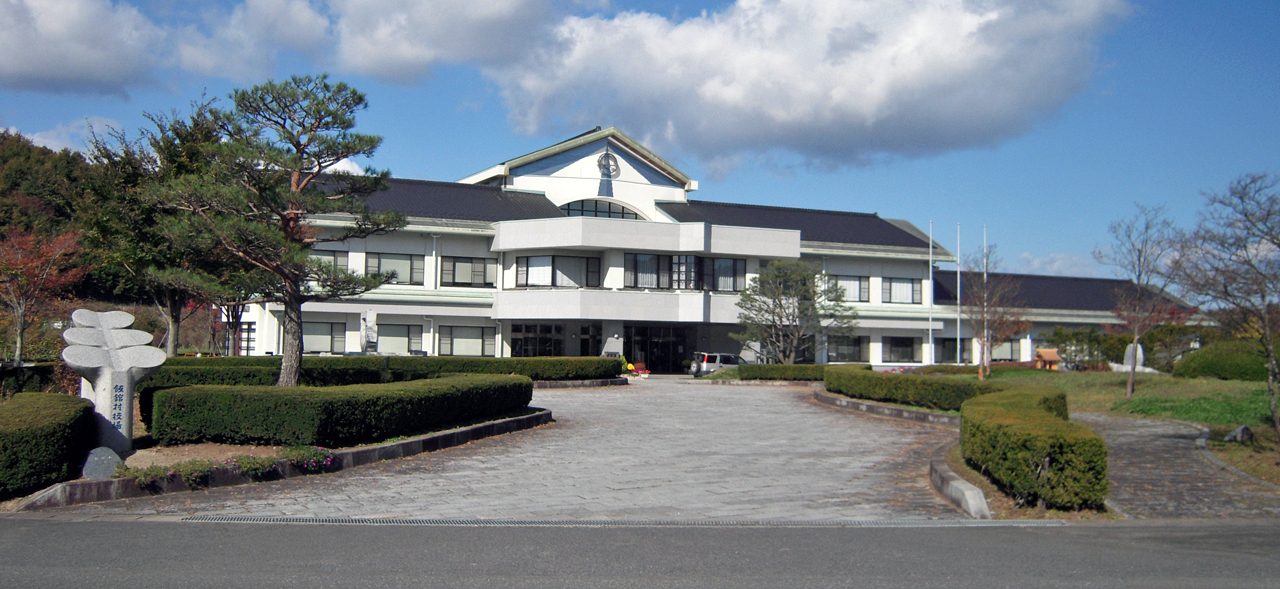


Geography and local characteristics
Iitate occupies a hilly, partly mountainous landscape with small settlements and agricultural land. The climate and soil supported dairy, grain and vegetable production as well as woodland management. Roads linking Iitate to nearby towns are rural and the community historically relied on small-scale agriculture and local services rather than heavy industry.
2011 nuclear accident and evacuation
Following the Fukushima Daiichi nuclear power plant accident in March 2011, radioactive contamination reached areas beyond the immediate plant exclusion zone due to wind and weather patterns. Authorities issued evacuation orders that affected most or all of Iitate’s residents. The evacuation and related restrictions had profound social, economic, and demographic effects on the village, displacing families and suspending normal local activities for years.
Decontamination, returned access and recovery
In subsequent years national and prefectural programs undertook decontamination work, infrastructure repairs, and health monitoring. Evacuation orders for portions of the village were lifted in stages as radiation levels declined through remediation and natural decay, and limited access was gradually restored. Many former residents chose not to return immediately because of lingering concerns about contamination, loss of services, or because they had reestablished lives elsewhere.
Impacts, efforts and notable facts
- The disruption reduced local agricultural output and accelerated demographic aging.
- Decontamination included removal of topsoil, cleanup of public spaces, and long-term environmental monitoring.
- Rebuilding efforts combined government support, community initiatives, and research into safe land use.
Today Iitate remains a focal point for discussions about disaster recovery, radiation risk management, rural revitalization, and the social costs of technological disasters. Its experience is often cited in studies of evacuation policy, environmental remediation, and how small communities adapt in the aftermath of large-scale crises.
Related articles
Author
AlegsaOnline.com Iitate (Iitate-mura), Village in Fukushima Prefecture Leandro Alegsa
URL: https://en.alegsaonline.com/art/46646