
Hyūga — coastal city in Miyazaki Prefecture, Kyushu, Japan
Hyūga is a coastal city in Miyazaki Prefecture on Kyushu, Japan. It is known for its shoreline, fishing and agriculture, connections to the historic Hyūga Province, and regional transport links.
Hyūga (日向市, Hyūga-shi) is a Japanese city in Miyazaki Prefecture on the island of Kyushu. Located along the eastern coast, the municipality combines coastal scenery, river valleys and low hills. It functions as a regional center for local industry, fishing and agriculture while retaining connections to older historical identities associated with the name "Hyūga."
Image gallery
7 Images



Geography and climate
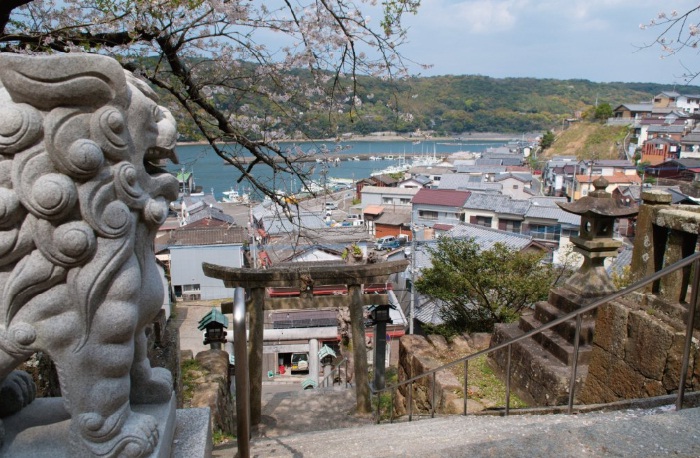
Hyūga faces the Pacific Ocean and typically features a temperate maritime climate with warm summers and mild winters. Its coastline includes beaches and small ports; inland areas are marked by farmland and forested hills. The maritime setting shapes local livelihoods and seasonal weather patterns, including occasional influence from Pacific storms.
Economy and transport
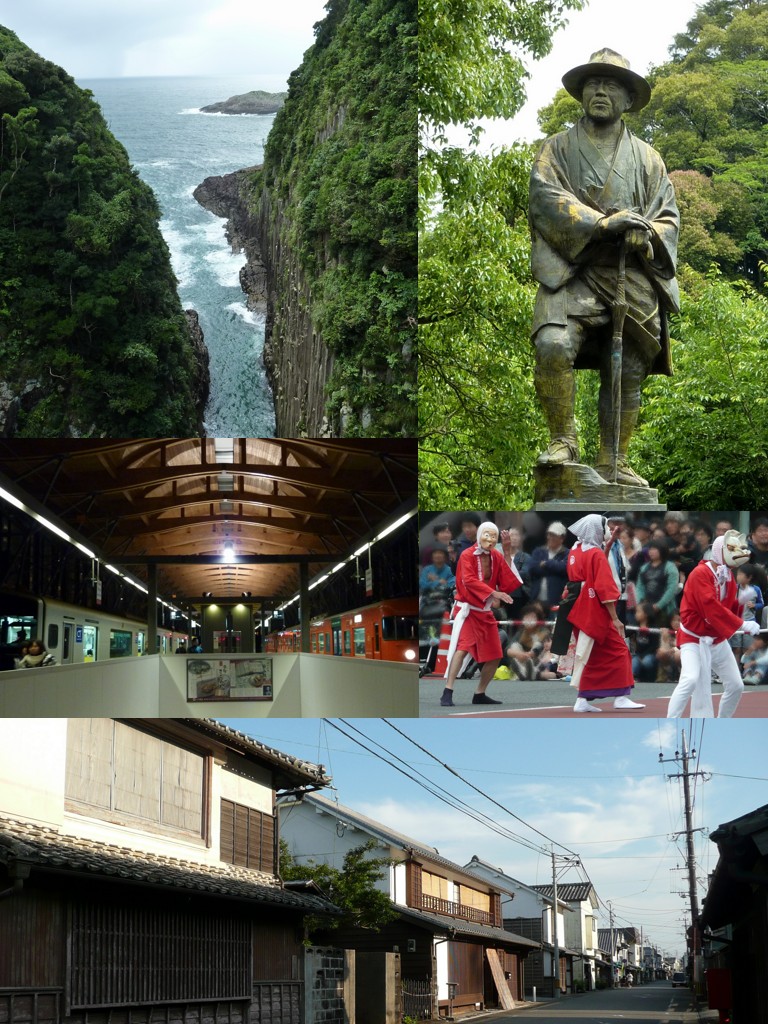
The city's economy traditionally mixes fishing, agriculture, and light manufacturing, supported by local commerce and services. Seafood and regional farm products are important to the local market and cuisine. Hyūga is served by regional rail lines and road connections that link it to other parts of Miyazaki Prefecture and to broader Kyushu transport networks, and it is commonly reached via nearby airports and highways.
History and culture
The name Hyūga has historical roots: it once denoted a larger province that covered much of present-day Miyazaki. Over time the area developed its own municipal institutions and cultural traditions. Local festivals, seasonal community events and coastal crafts reflect a blend of agricultural and maritime heritage.
Points of interest and practical notes
- Scenic coastal walks and beaches valued for their natural views.
- Local markets offering fresh seafood and regional produce.
- Cultural events connected to farming and fishing seasons.
- Access to regional transport routes and services for visitors.
Visitors and researchers looking for more detailed municipal information, statistical data or specific cultural sites can consult official city resources or regional guides. Hyūga remains an example of a Japanese coastal city where traditional industries and modern transport connections coexist.
Related articles
Author
AlegsaOnline.com Hyūga — coastal city in Miyazaki Prefecture, Kyushu, Japan Leandro Alegsa
URL: https://en.alegsaonline.com/art/46232