
Ichinoseki, Iwate — city in southern Iwate Prefecture, Japan
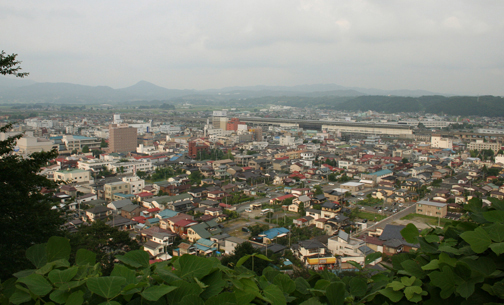
Ichinoseki is a regional city in southern Iwate Prefecture, Japan, on the Iwai River. It is the prefecture's third-largest city and serves as a local centre for industry, agriculture and tourism.
Overview
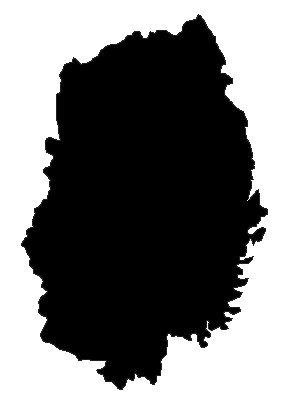
Ichinoseki lies in the southern part of Iwate Prefecture, on the banks of the Iwai River. After Morioka and Ōshū it is the prefecture's third-largest city. The urban area functions as a hub for nearby towns and rural communities and combines residential neighbourhoods, light industry and wide tracts of agricultural land.
Image gallery
5 Images


Geography and administration
The city occupies a mix of river valley and low hills, with waterways feeding into the wider Kitakami Basin. Its location toward the prefectural border places it within easy reach of neighbouring municipalities and transit routes that connect northern and southern Tōhoku. Local administration oversees services for several districts and coordinates regional planning, disaster preparedness and agricultural support.
History and cultural context
The Ichinoseki area has human settlement dating back centuries and is close to several historically significant sites from the Heian and later periods. Its cultural landscape reflects traditional farming communities, river commerce and temples and shrines in the surrounding region. Nearby Hiraizumi, a centre of medieval culture, is one notable landmark within easy travel distance and underlines the longer historical tapestry of southern Iwate and Japan.
Economy and land use
The local economy mixes agriculture, forestry, light manufacturing and services. Farms in the region produce rice and vegetables typical of northern Honshu, while small and medium enterprises provide components, food processing and building materials. Tourism tied to natural attractions and cultural sites also contributes to local income, supporting hospitality, retail and guide services.
Transport and access
Ichinoseki is served by regional rail lines and road connections that link it to larger urban centres in Tōhoku. Regular train services and highways facilitate commuting, freight and tourist travel. The city's transport network helps funnel visitors to nearby scenic gorges and historical sites.
- Rail: regional and intercity services connect Ichinoseki to prefectural and national routes.
- Road: highways and local roads provide access for freight and private vehicles.
- Local transit: bus services and community transport connect residential areas to the city centre.
Attractions and local life
Visitors often use Ichinoseki as a base for exploring natural river gorges, waterfalls and valleys in southern Iwate. Local festivals, markets and seasonal events reflect rural traditions and produce cycles. Popular activities include river boat trips at nearby gorges, hiking, and visiting temples and small museums that interpret regional history and folklore.
Notable facts
While predominantly regional in scale, Ichinoseki plays an important role in linking rural communities to larger urban systems in Iwate. Its combination of riverine scenery, cultural proximity to historic sites, and mixed economy make it representative of many mid-sized Japanese cities that balance tradition and modern services.
Questions and answers
Q: Where is Ichinoseki located?
A: Ichinoseki is located in the south of Iwate Prefecture, Japan.
Q: Which river does Ichinoseki sit on?
A: Ichinoseki sits on the Iwai River.
Q: What is the population size of Ichinoseki?
A: The text does not provide information about the population of Ichinoseki.
Q: Is Ichinoseki the largest city in Iwate Prefecture?
A: No, after Morioka and Ōshū, it is the third largest city in the prefecture.
Q: What is the Japanese name for Ichinoseki?
A: The Japanese name for Ichinoseki is Ichinoseki-shi.
Q: What is the meaning of the "-shi" suffix in Ichinoseki's Japanese name?
A: The "-shi" suffix indicates that Ichinoseki is a city.
Q: Does the text provide any information about the geography of Ichinoseki?
A: Yes, the text states that Ichinoseki sits on the Iwai River.
Related articles
Author
AlegsaOnline.com Ichinoseki, Iwate — city in southern Iwate Prefecture, Japan Leandro Alegsa
URL: https://en.alegsaonline.com/art/46466
Sources
- bunka.go.jp : "Database of Registered National Cultural Properties"