
Hypothyroidism: causes, symptoms, diagnosis and treatment
Hypothyroidism is a condition in which the thyroid gland produces insufficient thyroid hormones. This article explains causes, common signs, diagnostic tests, treatment options and important distinctions.
Overview
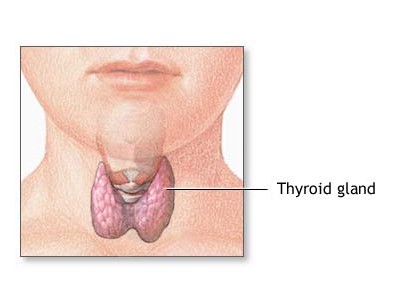
Hypothyroidism is a clinical state caused by inadequate production of thyroid hormones, which regulate metabolism, growth and many organ functions. When hormone levels are too low, body processes slow down. The condition ranges from mild (often called subclinical) to severe and life‑threatening if untreated.
Image gallery
8 Images




Causes and types
Several mechanisms can reduce thyroid hormone production. The commonest cause in many developed countries is autoimmune destruction of the gland. In other settings, dietary iodine deficiency is important; more on iodine is available here. Other causes include surgical removal of the thyroid, radioactive iodine therapy, external neck irradiation, some medications, and rare problems of the pituitary gland that impair stimulation of the thyroid.
Signs and symptoms
Symptoms usually develop slowly and may be subtle. Typical features include:
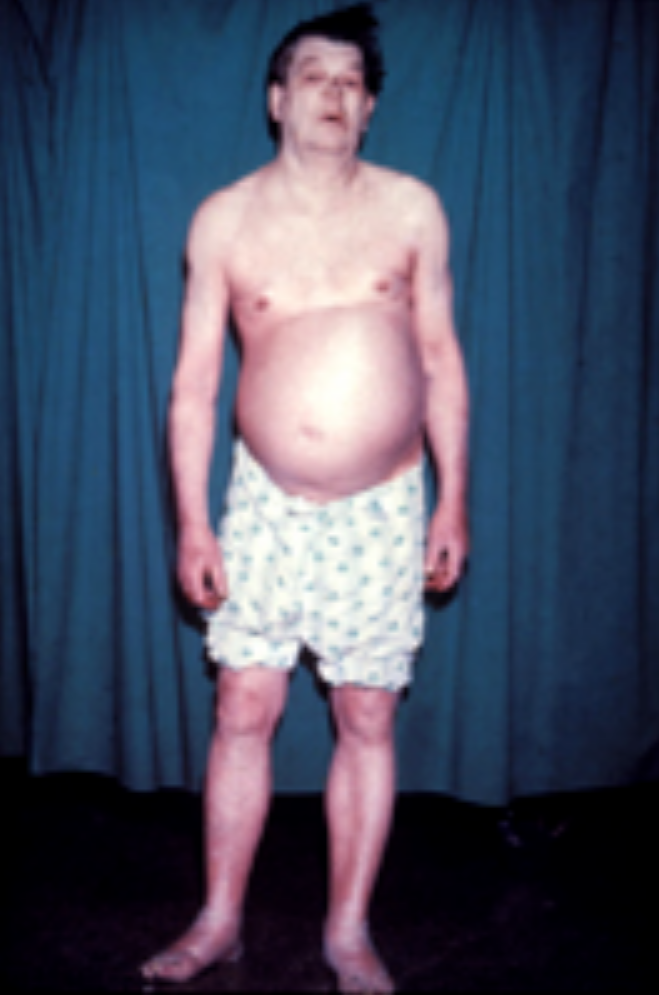
- Fatigue, weakness and heavy or sluggish thinking
- Cold intolerance and slowed heart rate
- Weight gain or difficulty losing weight despite reduced appetite
- Dry skin, hair thinning, and brittle nails
- Constipation and menstrual irregularities
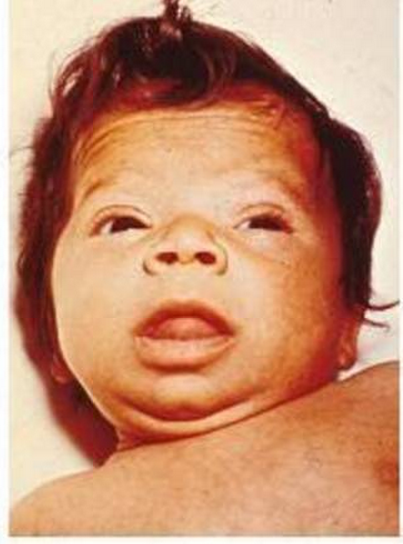
- In infants and young children, inadequate thyroid hormone can cause impaired growth and developmental delays if not treated early.
Diagnosis and classification
Laboratory testing is central to diagnosis. A high thyroid‑stimulating hormone (TSH) with a low free thyroxine (free T4) indicates primary hypothyroidism. Low TSH with low free T4 suggests a pituitary or hypothalamic cause (central hypothyroidism). Some people have a mildly raised TSH but normal T4; this is often described as subclinical hypothyroidism and may warrant monitoring or treatment depending on symptoms and risk factors.
Treatment and prognosis
Replacement therapy with levothyroxine (synthetic T4) is the standard treatment. Dosing is individualized and guided by follow‑up TSH measurements and clinical response. With appropriate treatment most people lead normal lives, but lifelong monitoring is usually required. Severe, longstanding hypothyroidism can progress to myxedema coma, a rare but serious emergency.
Historical and public health notes
Recognition of the role of iodine in preventing thyroid enlargement and dysfunction led to public health measures such as iodized salt in many countries. Newborn screening programs widely adopted in the late 20th century greatly reduced the risk of developmental disability from congenital hypothyroidism by enabling early treatment. Distinguishing primary, secondary and subclinical forms is important for management and identifying underlying causes.
Related articles
Author
AlegsaOnline.com Hypothyroidism: causes, symptoms, diagnosis and treatment Leandro Alegsa
URL: https://en.alegsaonline.com/art/46216