
Hurley, Wisconsin
Hurley is a small city and the county seat of Iron County, Wisconsin, located on the Montreal River across from Ironwood, Michigan. Historically a mining and logging hub, it now serves as a regional center for outdoor recreation.
Overview
Hurley is a city in northern Wisconsin that serves as the county seat for Iron County. According to the 2010 U.S. census the city had 1,547 residents. It sits on the western bank of the Montreal River directly opposite Ironwood, Michigan, forming a compact cross‑border community where everyday life, commerce and travel routinely cross state lines.
Image gallery
6 Images


Geography and layout
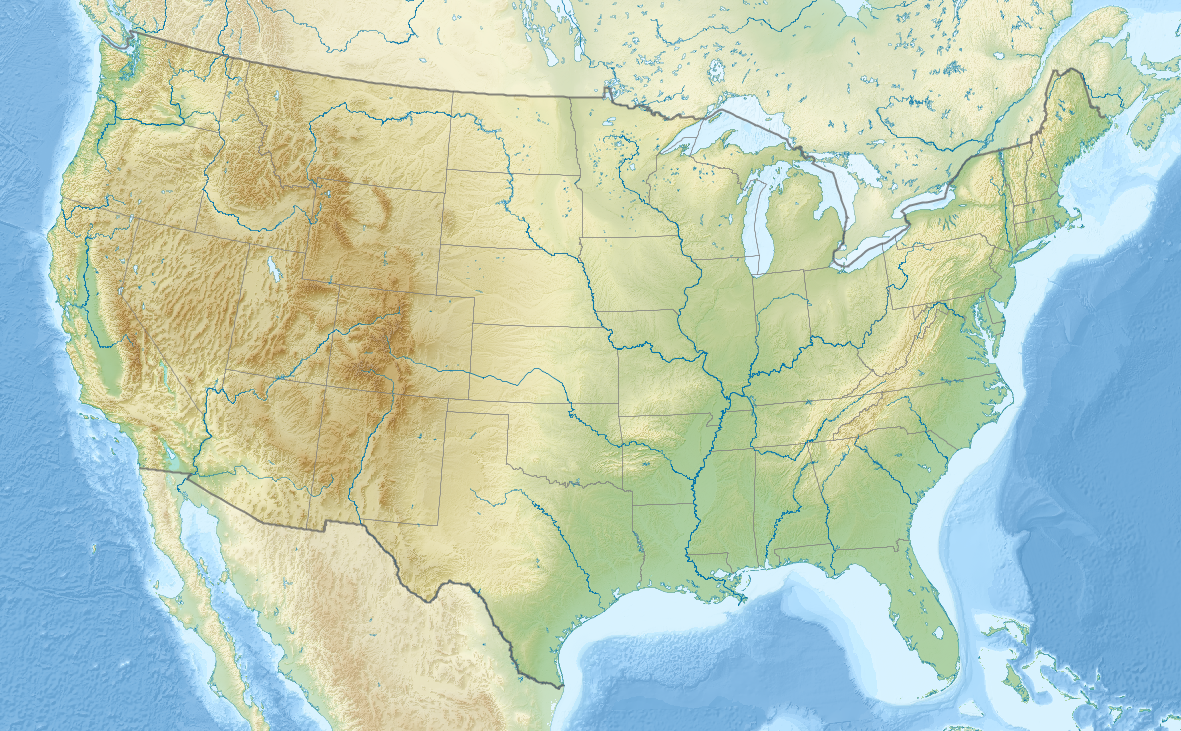
Hurley occupies a small riverfront footprint amid the forested hills of the region. The Montreal River provides a clear geographic boundary with Michigan and historically directed the placement of mills, bridges and downtown streets near the water. The city functions as a local hub for nearby townships and rural neighborhoods, concentrating government services, shops and cultural institutions within a walkable core.
History
The city grew up during the late 19th-century iron and timber boom that reshaped the Lake Superior uplands. Mining, logging and the railroad drew workers and businesses to the area and created the demand for civic institutions that persist today. While the heavy industrial era has largely passed, many of Hurley's street patterns, commercial buildings and community traditions reflect that formative period.
Economy and recreation
Modern Hurley has diversified from extractive industries toward services, tourism and outdoor recreation. The surrounding forests and frozen winters make the area popular for snowmobiling, cross-country skiing, ice fishing and snowshoeing; warmer months attract anglers, hunters, hikers and ATV riders. Local businesses support visitors with lodging, dining and guiding services, while some light manufacturing and forestry-related work continue in the region.
Government, services and culture
As the county seat, Hurley hosts county offices, the courthouse and related public services that serve a broader rural population. Cultural life includes small museums, festivals and events that celebrate the area's mining and logging heritage. Healthcare, K–12 education and civic organizations in the city provide services relied upon by residents of both sides of the river.
Notable aspects
- Shared economy and daily ties with neighboring Ironwood, reflecting its role as a border community.
- Historic roots in the iron range and timber industries that shaped local architecture and town planning.
- Access to year-round outdoor recreation that draws regional visitors and supports seasonal businesses.
For readers seeking official information or further details about government services, tourism and community programs, municipal and county resources can provide current contacts and event listings.
Related articles
Author
AlegsaOnline.com Hurley, Wisconsin Leandro Alegsa
URL: https://en.alegsaonline.com/art/45813
Sources
- www2.census.gov : "2018 U.S. Gazetteer Files"
- geonames.usgs.gov : "US Board on Geographic Names"