
Hünenberg (canton of Zug, Switzerland)
Hünenberg is a German-speaking municipality in the canton of Zug, central Switzerland. Historically agricultural, it is now a residential community with lakeside recreation and links to nearby cities.
Overview
Hünenberg is a municipality in the small, centrally located canton of Zug in Switzerland. It lies in a German-speaking part of the country and combines rural landscapes with modern residential development. The municipality serves both local needs and the commuter population that travels to larger employment centers nearby.
Image gallery
3 Images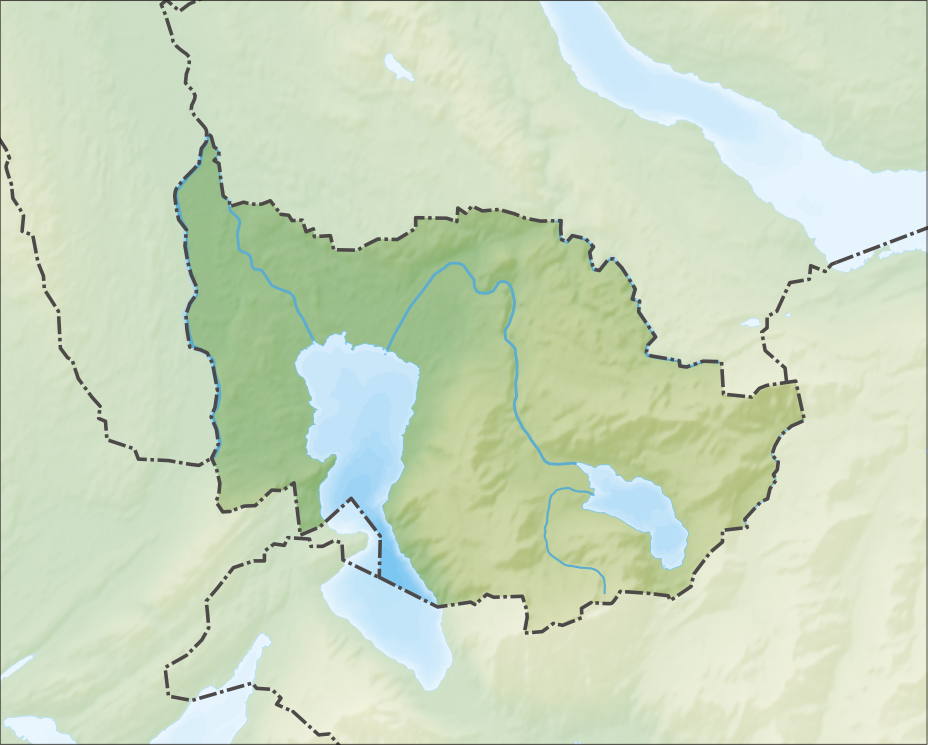


Geography and settlement
The community occupies territory near lake and lowland areas common to the region, with mixed farmland, woodland and built-up villages. Settlement is typically concentrated in one or more village centres and outlying hamlets, and the lakeshore and surrounding countryside provide opportunities for outdoor recreation such as walking and cycling.
History and identity
Like many central Swiss communities, Hünenberg has historical roots that reach back to medieval times. Over centuries the local economy shifted from primarily agricultural activities toward a more diverse mix of trades and services. Local traditions, communal events and the built environment reflect this gradual transition from rural parish to modern municipality.
Economy and transport
The local economy today includes small and medium-sized enterprises, craftsmen, agricultural producers and a residential base of commuters. Good regional road links and public transport connect Hünenberg with canton capitals and larger cities, making it attractive for people who work elsewhere but prefer a quieter place to live.
Sights, services and community life
Visitors and residents value the municipality for its accessible natural setting, community facilities and village character. Typical features include village churches, lakeside promenades or viewpoints, local shops and clubs that support cultural and sporting activities. Municipal services focus on maintaining quality of life while managing growth and preserving green spaces.
Notable distinctions
- Part of the compact, affluent canton of Zug and influenced by its regional economy.
- Combines traditional rural elements with suburban development and commuting patterns.
- Offers recreational access to lakeside and countryside landscapes while remaining well connected to larger urban centers.
Related articles
Author
AlegsaOnline.com Hünenberg (canton of Zug, Switzerland) Leandro Alegsa
URL: https://en.alegsaonline.com/art/45733
Sources
- bfs.admin.ch : "Arealstatistik Standard - Gemeinden nach 4 Hauptbereichen"
- bfs.admin.ch : "Ständige Wohnbevölkerung nach Staatsangehörigkeitskategorie Geschlecht und Gemeinde; Provisorische Jahresergebnisse; 2018"