
Hōen (Japanese era, 1135–1141)
Hōen (保延) was a Japanese era name (nengō) of the late Heian period, running from September 1135 to July 1141 during the reign of Emperor Sutoku. Overview, context, chronology and legacy.
Overview
Hōen (保延) is the Japanese era name, or nengō, that covered part of the late Heian period. The era began in September 1135 and ended in July 1141. The reigning sovereign during Hōen was Emperor Sutoku (崇徳天皇). Era names in Japan mark chronological spans and were often declared for auspicious reasons or to mark important events.
Image gallery
2 Images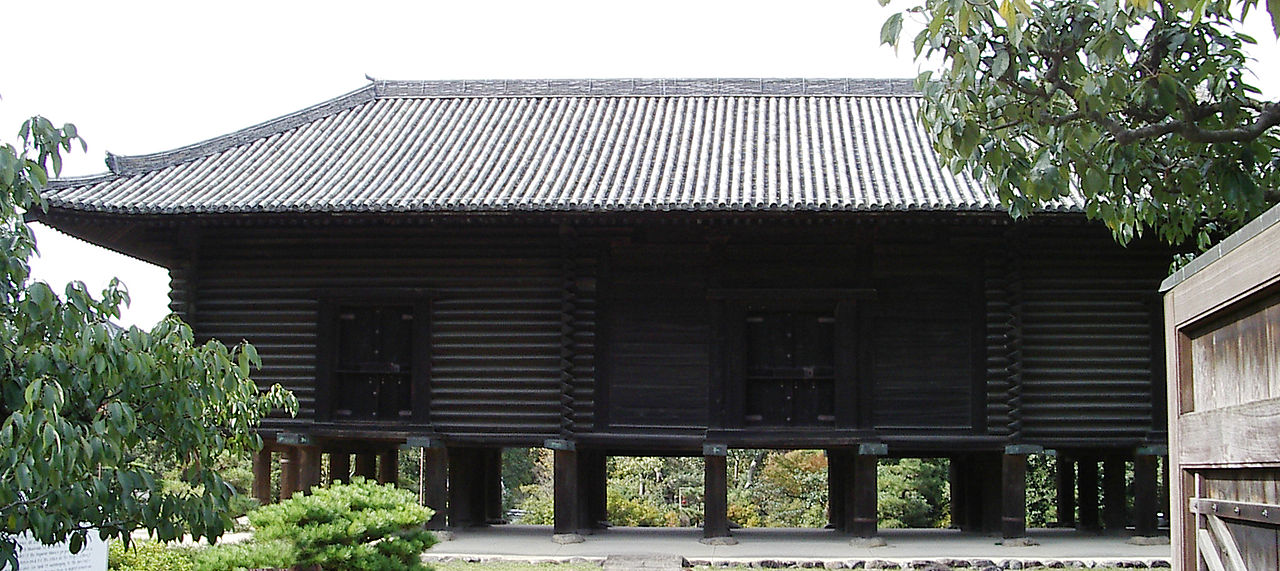

Historical context
The Hōen years fall within the late Heian political environment, characterized by strong court culture, aristocratic clans, and growing regional military influence. While specific large-scale military incidents tied directly to Hōen are not commonly singled out in broad overviews, the period is part of the longer sequence of social and political shifts that culminated later in the twelfth century.
Dates and chronology
Hōen succeeded the Chōshō era and was followed by the Eiji era. Contemporary records record the start in September 1135 and the termination in July 1141. Japanese eras are counted by year within the era (for example, Hōen 1, Hōen 2, and so on), and official documents of the time use those era-year notations.
Significance and legacy
As an administrative and chronological label, Hōen organizes primary sources, court diaries, and inscriptions from these years. It helps historians place events, promotions at court, temple renovations, and literary activity within a fixed framework. The era reflects continuity of imperial institutions under Emperor Sutoku and the cultural life of the Heian court.
Related topics
- Japanese era names and their role in periodization (nengō).
- Preceding period: Chōshō.
- Succeeding period: Eiji.
For study, Hōen is best approached through court chronicles, temple records and compiled regnal lists that use the era name to anchor events in the mid-twelfth century.
Related articles
Author
AlegsaOnline.com Hōen (Japanese era, 1135–1141) Leandro Alegsa
URL: https://en.alegsaonline.com/art/44644
Sources
- books.google.com : "Hōen"
- books.google.com : Annales des emepereurs du japon, pp. 181-185
- books.google.com : Gukanshō, pp. 322-324
- books.google.com : p. 184
- books.google.com : p. 185
- books.google.com : p. 324