
Hitchhiking: practice, history, risks and modern forms
Hitchhiking is soliciting an offered lift from passing motorists. This article explains methods, history, cultural role, safety concerns, legal status and contemporary alternatives.
Hitchhiking is the practice of asking a driver for a free ride to a chosen destination. Traditionally this is done by standing at a roadside and using a gesture — most commonly an extended thumb — or a written sign indicating the desired direction or town. Riders typically seek short- to medium-distance transport and rely on the willingness of private motorists to share space and time. Although the classic image is a lone traveler thumbing a ride with a cardboard sign, the activity has many local variations in technique and etiquette.
Image gallery
9 Images

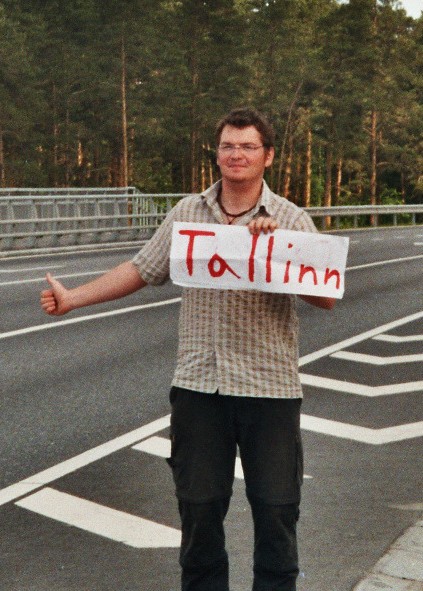




Typical methods and etiquette
Common methods include signaling with a thumb, a palm-out hand, or holding a clear cardboard sign naming the destination. Hitchhikers often choose safe, visible pickup points such as lay-bys, service stations, or the exits of towns rather than stretches of high-speed highway. Typical etiquette advises being courteous, ready to provide clear information about the destination, and prepared to contribute to fuel costs or parking where appropriate. Many riders travel in pairs or small groups for safety and to present a more reassuring appearance to potential drivers.
History and cultural role
Hitchhiking has existed since the widespread adoption of motor vehicles. It became particularly visible in the mid-20th century as young people and budget travelers used it to move between cities and across countries; iconic images of hitchhikers are associated with postwar road travel and 1960s–1970s counterculture. In some regions it was once a common way for students, backpackers and migrant workers to travel cheaply over long distances. Over time, public perceptions and legal frameworks around hitchhiking have evolved.
Safety, legal issues and decline in popularity
Concerns about personal safety, crime, and liability have contributed to a decline in spontaneous hitchhiking in many countries. High-profile incidents and general anxieties led some communities to discourage the practice, and in certain jurisdictions there are explicit restrictions on standing on roadsides or soliciting rides on highways. Laws vary widely: in some places hitchhiking is legal with precautions, in others it is regulated or discouraged. Travelers should check local rules and resources before attempting to hitch a ride; see local guidance here.
Modern alternatives and practical advice
Contemporary alternatives include formal rideshare services, carpool networks, and smartphone apps that match drivers and passengers for cost-sharing. Organized hitchhiking networks and online communities also facilitate safer connections by allowing participants to verify profiles and arrange meetups in public places. For those who still hitchhike, common safety advice is to travel during daylight, tell someone where you are going, accept rides only from individuals who seem sober and comfortable, avoid isolated pickup points, and trust personal instincts about whether to decline a lift.
Notable distinctions
- Casual thumbing: informal, spontaneous solicitations at the roadside.
- Organized rideshare: prearranged matches using apps or community boards.
- Carpooling: planned sharing among colleagues or commuters, often for commutes.
Hitchhiking remains a decentralized practice with cultural, practical and environmental dimensions: it can lower travel costs and vehicle usage, but it requires awareness of local laws and careful attention to personal safety.
Related articles
Author
AlegsaOnline.com Hitchhiking: practice, history, risks and modern forms Leandro Alegsa
URL: https://en.alegsaonline.com/art/44539