
Hereford (county town on the River Wye, England)
Hereford: historic county town on the River Wye near the Welsh border, known for its cathedral, medieval map, cider and the Hereford cattle breed.
Hereford is a historic cathedral city and civil parish in western England, situated on the River Wye near the border with Wales. It serves as the county town of Herefordshire and functions as a local market and administrative centre. The town is sometimes referred to by its Welsh name, Henffordd, reflecting its location close to Welsh-speaking areas. Hereford's identity is shaped by its riverside setting, agricultural hinterland and long ecclesiastical heritage.
Image gallery
10 Images


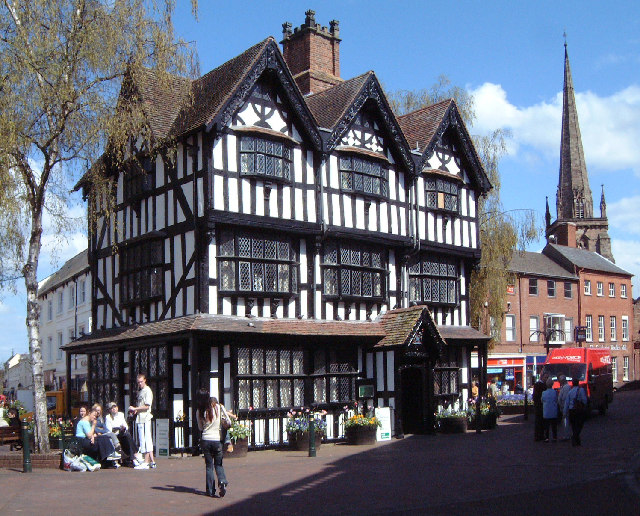

Location and landscape
Hereford lies in the fertile valley of the River Wye and forms a focal point for surrounding rural parishes. It is within the English West Midlands region and has historically acted as a crossroads between England and Wales. The river and surrounding farmland have influenced local trade, transport and food production for centuries. Modern transport links connect Hereford to nearby towns and regional centres while preserving much of its compact townscape.
History and administration
Hereford's name derives from Old English elements meaning an army (here) and a ford, indicating an early crossing point of strategic importance. The settlement developed around an early cathedral site and a medieval market. A cathedral presence at Hereford is recorded from at least 1059, and ecclesiastical institutions have played a central role in the town's history. Administratively, Hereford is the county town of Herefordshire. In 1997 the local council underwent changes that affected the city's formal civic arrangements; following the loss of a city council the town's traditions were preserved through charter trustees and the successor parish council, led by a city mayor.
Cathedral and cultural landmarks
Hereford Cathedral is the town's most prominent historic building and remains a focus for religious life, music and tourism. The cathedral is renowned for its medieval treasures, including the Mappa Mundi, a large medieval map of the world often dated to the 13th century, and the chained library containing rare manuscripts. These artifacts attract visitors interested in medieval art, cartography and book history. The cathedral also hosts concerts, services and community events throughout the year.
Economy, agriculture and local products
The economy around Hereford is traditionally agricultural, with mixed farms producing fruit, cider apples and livestock. The city has a longstanding association with the Hereford cattle breed, a beef cattle known worldwide for its hardiness and distinctive colouring. Cider production remains culturally important in the region, with local producers and festivals celebrating apple growing and traditional methods.
Culture, events and distinctions
Hereford combines historic streets and modern amenities, offering museums, markets and annual events that reflect its rural roots and cathedral town status. Local museums and galleries interpret the area's natural history, archaeology and social life. The River Wye provides opportunities for walking, fishing and boating, enhancing Hereford's appeal for residents and visitors alike. The town's location near Wales adds linguistic and cultural connections that are visible in place-names and community links.
Further information
- Regional context: West Midlands, England
- Border relations: Wales
- Civic role: county town
- Local information and visitor guidance: city, cathedral
- Further reading and resources: national context and local archives accessible via community links
The combination of a riverside setting, agricultural economy, significant cathedral heritage and cross-border location gives Hereford a distinct character among English county towns. Its historic centre, cultural collections and rural surroundings continue to shape both everyday life and visitor interest.
Related articles
Author
AlegsaOnline.com Hereford (county town on the River Wye, England) Leandro Alegsa
URL: https://en.alegsaonline.com/art/43752
Sources
- commons.wikimedia.org : Hereford
- herefordshire.gov.uk : "The Population of Herefordshire 2009"