
Her Majesty (song)
A brief, tongue-in-cheek acoustic piece by Paul McCartney credited to Lennon–McCartney, placed as an unlisted closing track on The Beatles' Abbey Road and often cited as an early hidden track.
"Her Majesty" is a very short acoustic song written and sung by Paul McCartney, credited to the songwriting partnership Lennon–McCartney. It appears on the closing of the 1969 album Abbey Road by The Beatles. The track lasts only a few dozen seconds and was not listed on the original album sleeve, making it one of the better known early examples of a hidden track in popular music.
Image gallery
1 Image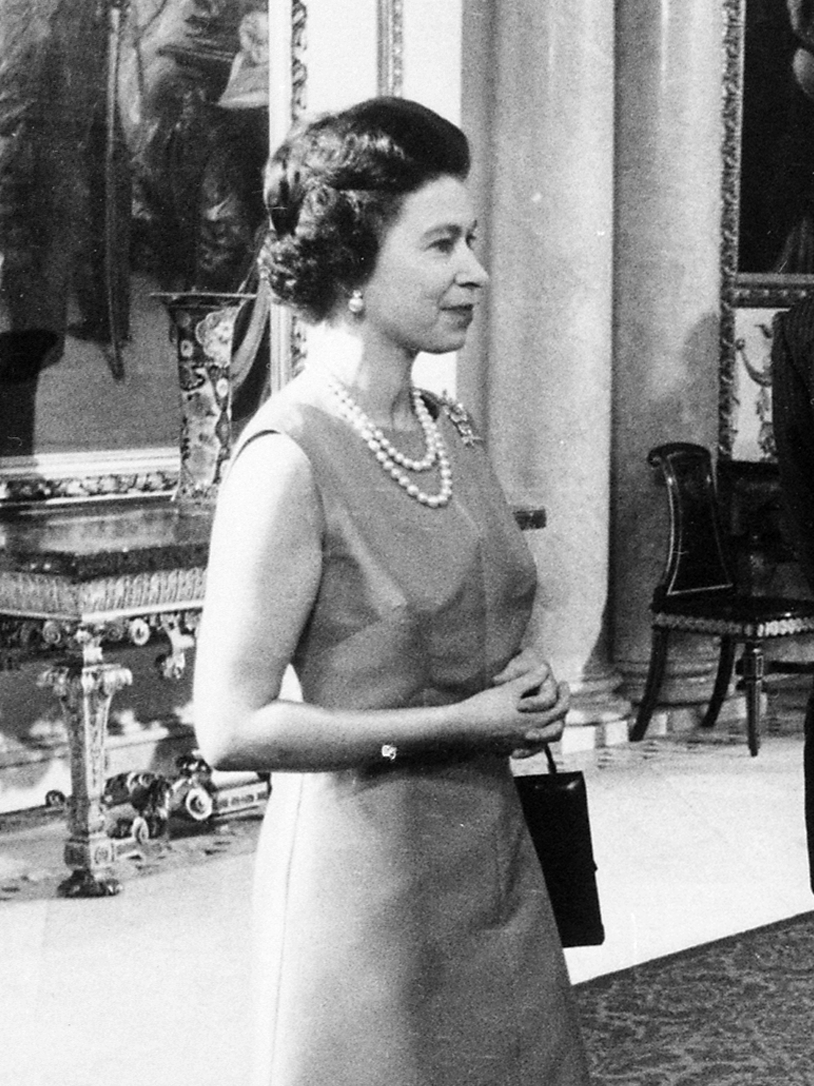
Overview
The song is a light, slightly irreverent address to "Her Majesty," delivered with simple acoustic guitar accompaniment and close, conversational vocals. Rather than a developed composition, it functions as a short musical vignette: a jaunty, informal coda that contrasts with the polished production of the album's closing medley. Although Paul McCartney was the author, official release credits follow the band's standard Lennon–McCartney attribution.
Composition and recording
Musically the piece is spare: a solo voice with acoustic guitar, recorded in a deliberately intimate style. The performance ends abruptly, a result of the way the piece was edited and placed on the final master tape. The song's brevity and lo-fi presentation give it the character of an off-the-cuff remark rather than a full studio production.
Release history and hidden-track status
Originally left off the album's printed track listing, "Her Majesty" was tacked onto the end of the final master tape after the medley’s designated ending. A short silent gap separates it from the preceding song, creating the surprise effect heard by listeners when the record plays to completion. Because it was not listed on the sleeve and appears unexpectedly after a pause, the recording is commonly described as an early example of a hidden track in rock albums. Later reissues and digital editions have sometimes shown it in track listings or adjusted how it is presented, but its reputation as a concealed coda remains part of the song's story.
Legacy and notable facts
- Seen as a playful, informal bookend to Abbey Road and the long medley that precedes it.
- Often cited in discussions of album sequencing and the creative use of silence and surprise on records.
- Demonstrates McCartney's taste for short, melodic interludes and his willingness to include humble or humorous pieces amid larger works.
For more information about the songwriter, see Paul McCartney. The simple construction and unusual placement of "Her Majesty" have kept it notable among fans and music historians as an example of how small studio decisions can create enduring curiosities in popular recordings.
Related articles
Author
AlegsaOnline.com Her Majesty (song) Leandro Alegsa
URL: https://en.alegsaonline.com/art/43666
Sources
- beatlesbible.com : "The Beatles Bible: Her Majesty"