
Haskovo — city in southeastern Bulgaria
Haskovo is a regional city in southeastern Bulgaria and the administrative centre of Haskovo Province, known for its long history, cultural landmarks and riverside plain setting; it marked a millennium in 1985.
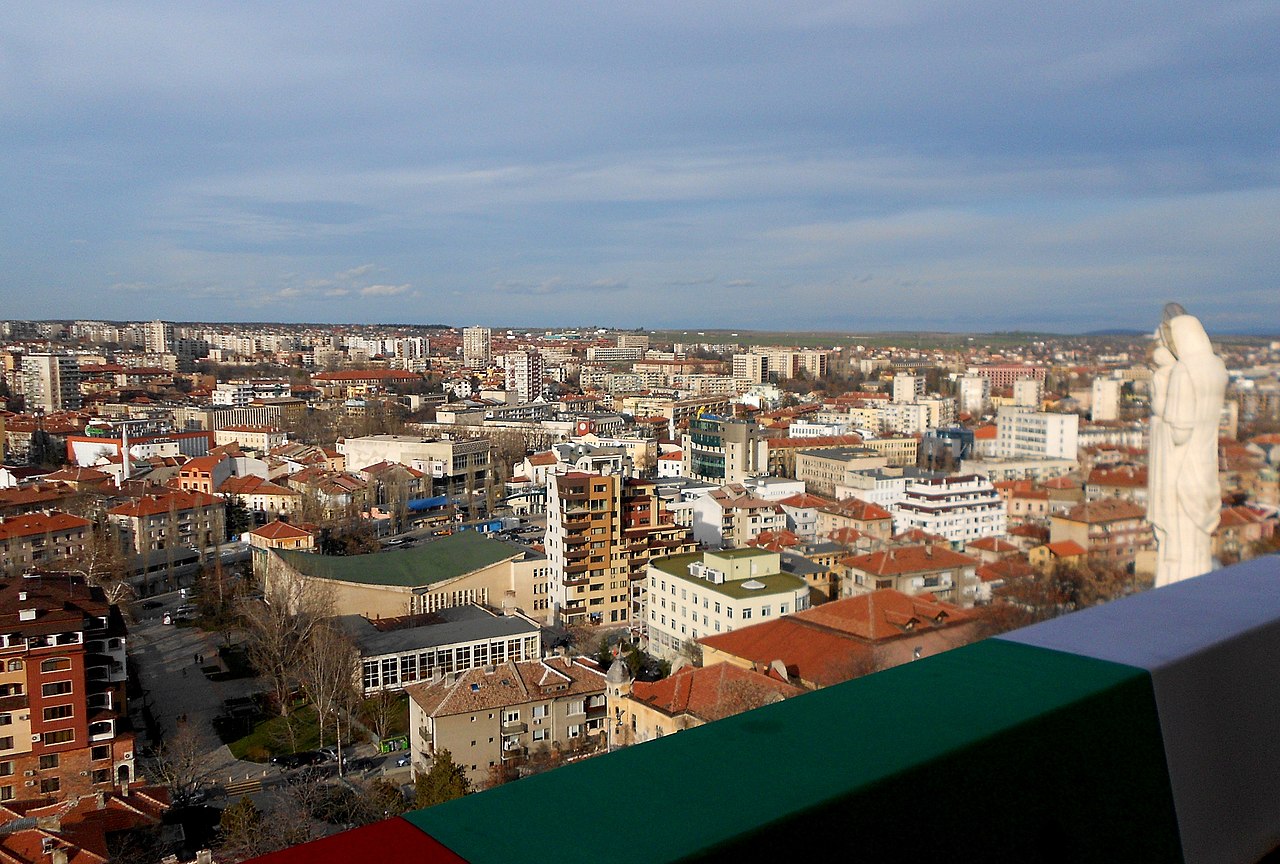
Haskovo is a city in southeastern Bulgaria that serves as the administrative centre of Haskovo Province. Around 96,000 people live there. Positioned in a lowland plain, the city combines agricultural surroundings with urban services and regional cultural institutions.
Image gallery
10 Images



Geography and character
Haskovo lies in a fertile part of the Upper Thracian Plain within the larger Maritsa river basin. The local landscape is characterised by cultivated fields and gentle hills rather than high mountains. The climate is transitional continental, with warm summers and cool winters, which supports mixed farming and viticulture in the surrounding district.
History and development
The site of Haskovo has seen settlement since antiquity and reflects a layered history of Thracian, Roman, Byzantine and Ottoman presence, along with later Bulgarian national development. In 1985 the city marked its 1,000th anniversary, an event that emphasised its long-standing place in regional life and identity.
Culture, landmarks and institutions
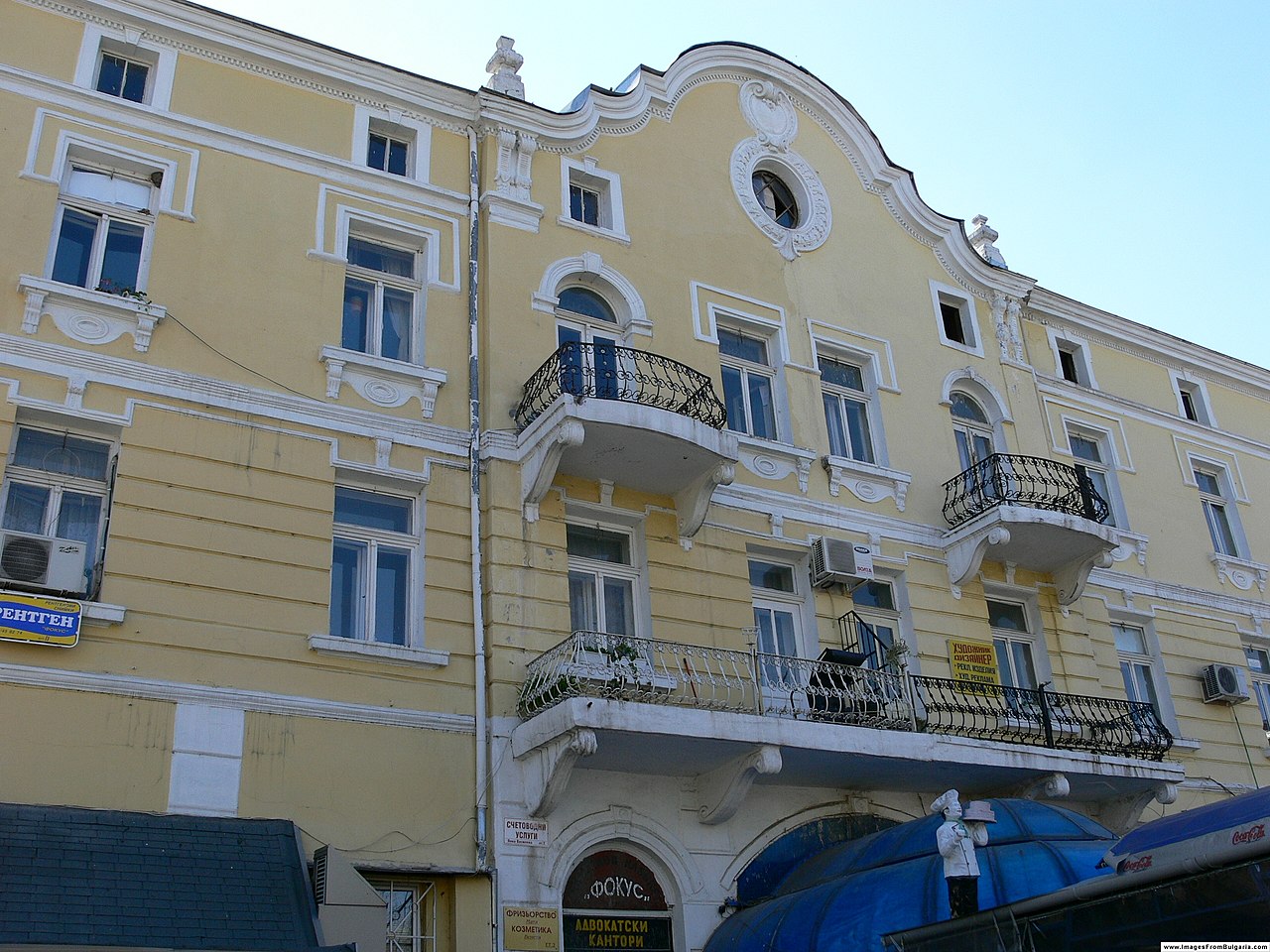
Haskovo is home to museums, cultural centres, churches and Ottoman-era architectural traces. A prominent modern landmark is the Monument of the Holy Mother of God, a large statue that has become a city emblem. Local museums preserve archaeological finds and regional folk traditions.
Economy and transport
The city's economy combines services, light industry and agriculture from the surrounding plain. Its location in southeastern Bulgaria makes it a local transport and commercial hub for nearby towns and for routes toward the Greek and Turkish borders. Regional education and healthcare institutions serve the province.
Notable facts and modern life
- Administrative centre of Haskovo Province and a focal point for regional services.
- Mix of historical heritage and contemporary urban amenities.
- Hosts cultural events, markets and local festivals that reflect Thracian and Bulgarian traditions.
Visitors typically combine Haskovo's museums and monuments with excursions into the agricultural countryside and nearby historical sites; the city functions as both a service centre for the region and a repository of local heritage.
Related articles
Author
AlegsaOnline.com Haskovo — city in southeastern Bulgaria Leandro Alegsa
URL: https://en.alegsaonline.com/art/42747