
Harper's Magazine
Harper's Magazine is a long-established American monthly covering literature, politics, culture, finance, and the arts. Founded in June 1850, it is noted for long-form journalism, essays, fiction and cultural criticism.
Harper's Magazine is an American monthly periodical devoted to literature, politics, culture, finance and the arts. Launched in June 1850, the magazine publishes a mix of long-form reporting, critical essays, fiction, commentary and reviews. It is widely regarded for its emphasis on thoughtful, often literary treatment of contemporary issues and for sustaining a magazine format that favors in-depth writing over short news items. For more information, see the magazine's official presence: Harper's Magazine.
Image gallery
8 Images


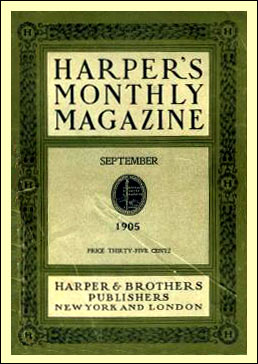
Characteristics and recurring content
The magazine typically includes investigative journalism, personal and critical essays, short fiction, poetry and book criticism. It is known for recurring features that distill facts and commentary into distinctive formats; for example, the concise statistical snapshot known as the Harper's Index has become a well-recognized element of the title. Contributors range from journalists and critics to novelists and academics, and the publication often showcases long, carefully edited pieces intended for a reflective readership.
Origins and development
Harper's began in the mid-19th century as an offshoot of a family-run publishing house, and it developed through the decades alongside major shifts in American letters and public life. Over time it has adapted its editorial approach while maintaining a commitment to extended argument and literary quality. The magazine has been published continuously since its founding and is widely cited as the second-oldest continuously published monthly magazine in the United States; this longevity is often remarked upon in histories of American periodicals and reference works.
Importance and influence
Harper's has played a role in shaping cultural and political debates by providing space for investigative pieces and influential essays. While its circulation has historically been moderate compared with mass-market magazines, its impact on opinion, scholarship and literary culture has been significant because of the depth and visibility of some of its contributions. The magazine has received recognition from its peers, including multiple National Magazine Awards, reflecting editorial standards and achievement in reporting and criticism.
Distinctive facts
- Monthly frequency with a focus on long-form content rather than breaking news.
- Blends literary and journalistic traditions—fiction and poetry appear alongside reportage and criticism.
- Noted for signature features and for attracting established and emerging writers.
- Recipient of numerous industry honors, a mark of enduring editorial influence.
Today Harper's continues as a venue for extended inquiry into cultural and political life, maintaining a reputation for rigorous essays and literary quality while adapting to changes in publishing and readership.
Related articles
Author
AlegsaOnline.com Harper's Magazine Leandro Alegsa
URL: https://en.alegsaonline.com/art/42536
Sources
- harpers.org : "Awards and Honors"