
Happy Birthday to You — song, history, and cultural significance
Overview of the song 'Happy Birthday to You': origins, melody, lyrics, cultural rituals, translations, legal history, and its role in popular media and celebrations.
"Happy Birthday to You", commonly shortened to "Happy Birthday", is the globally familiar tune sung to mark a person's birthday. The four-line lyric and simple melody make it easy for groups to sing together, and the song is often paired with rituals such as lighting candles, making a wish, and cutting a cake. It has been translated into many languages and appears in family gatherings, public ceremonies, films and advertising.
Image gallery
1 Image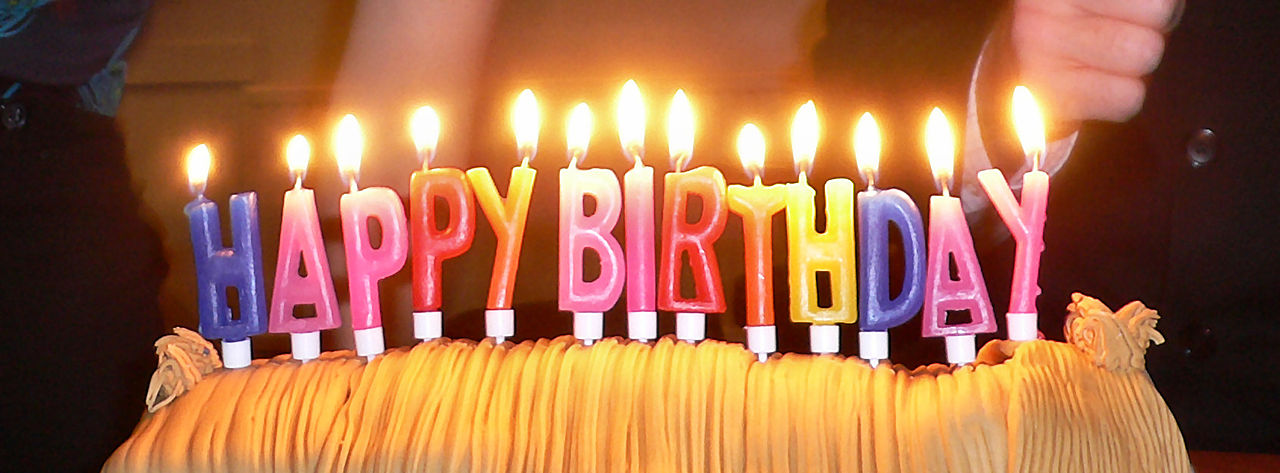
Origins and melody
The melody was first published in the late 19th century as part of a children's song titled "Good Morning to All" and has traditionally been attributed to the American sisters Patty and Mildred J. Hill. That association and the chronology of publication are widely cited, though questions and scholarly discussion have arisen about authorship and how the tune became attached to the birthday words. For background on the Hill sisters and the early song, see a general discussion about the melody's origins.
Lyrics, structure and translations
The canonical English lyric consists of four short lines that repeat both the greeting and the name of the person celebrated. Musically it is a compact, diatonic melody with a limited vocal range, which helps explain its worldwide adoption. The basic words have been translated into many languages and adapted into regional variations and extended verses. For a concise note on the song as a traditional celebration tune, see a description of the practice.
Legal history and recognition
During the 20th and early 21st centuries the song's commercial uses were sometimes subject to licensing claims, which limited how recordings and films used the lyrics without permission. In recent years, courts and settlements clarified those claims and opened the way for broader public use. The song also holds a place in reference works for its familiarity; for example, it is cited among the most recognized songs in the English language by major record sources and compilations noted in reference works and in overviews of popular music about its recognition.
Uses, variations and cultural importance
Beyond private parties, the song appears in films, television and advertising, sometimes performed straight, sometimes quoted or parodied. Common variants include playful alternate lyrics, verses in other languages, and extended celebratory lines. Its simplicity has made it a musical shorthand for celebration across cultures, and its presence at social rituals highlights how a brief melody can anchor shared experience.
- Typical usage: sung before blowing out candles and cutting the birthday cake.
- Variations: regional lyrics, humorous verses, and instrumental references in media.
- Notable facts: melody traced to a 19th-century children's song; widely translated and recognized.
Whether treated as a private custom or a public cultural touchstone, "Happy Birthday to You" remains one of the simplest and most enduring songs associated with personal celebration.
Related articles
Author
AlegsaOnline.com Happy Birthday to You — song, history, and cultural significance Leandro Alegsa
URL: https://en.alegsaonline.com/art/42343