
Hamme (East Flanders, Belgium)
Hamme is a Dutch-speaking municipality in East Flanders, Belgium. It lies at 51°05′N, 04°08′E and had about 23,368 inhabitants in 2007. The article covers geography, history, economy and local life.
Overview
Hamme is a municipality in the Belgian province of East Flanders. It forms part of the Flemish Region and is administered under Belgian municipal law. In 2007 the municipality had 23,368 inhabitants; like other Belgian towns its population has changed since then. The locality is recorded at coordinates 51°05′ North, 04°08′ East.
Image gallery
2 Images
Geography and environment
Hamme lies within the low-lying areas of northern Belgium, characterized by agricultural land, small clusters of woodland and waterways that are typical of East Flanders. The town and its surroundings benefit from riverine and polder landscapes that have shaped settlement and land use for centuries. Its position places it within the Dutch-speaking part of Belgium.
History and development
The settlement that became Hamme developed over many centuries in response to regional patterns of agriculture, trade and water management. Like many towns in the area, historical growth was influenced by access to fertile soils and routes between larger urban centers. Historical buildings such as parish churches and municipal structures mark different phases of local development.
Economy, transport and culture
Hamme’s local economy combines agriculture, small and medium enterprises, and services that support residents and nearby communities. Road and local transport links connect it with other parts of East Flanders and the wider Flemish Region. Cultural life includes community events, local clubs and heritage observances typical of Flemish municipalities.
Points of interest and administration
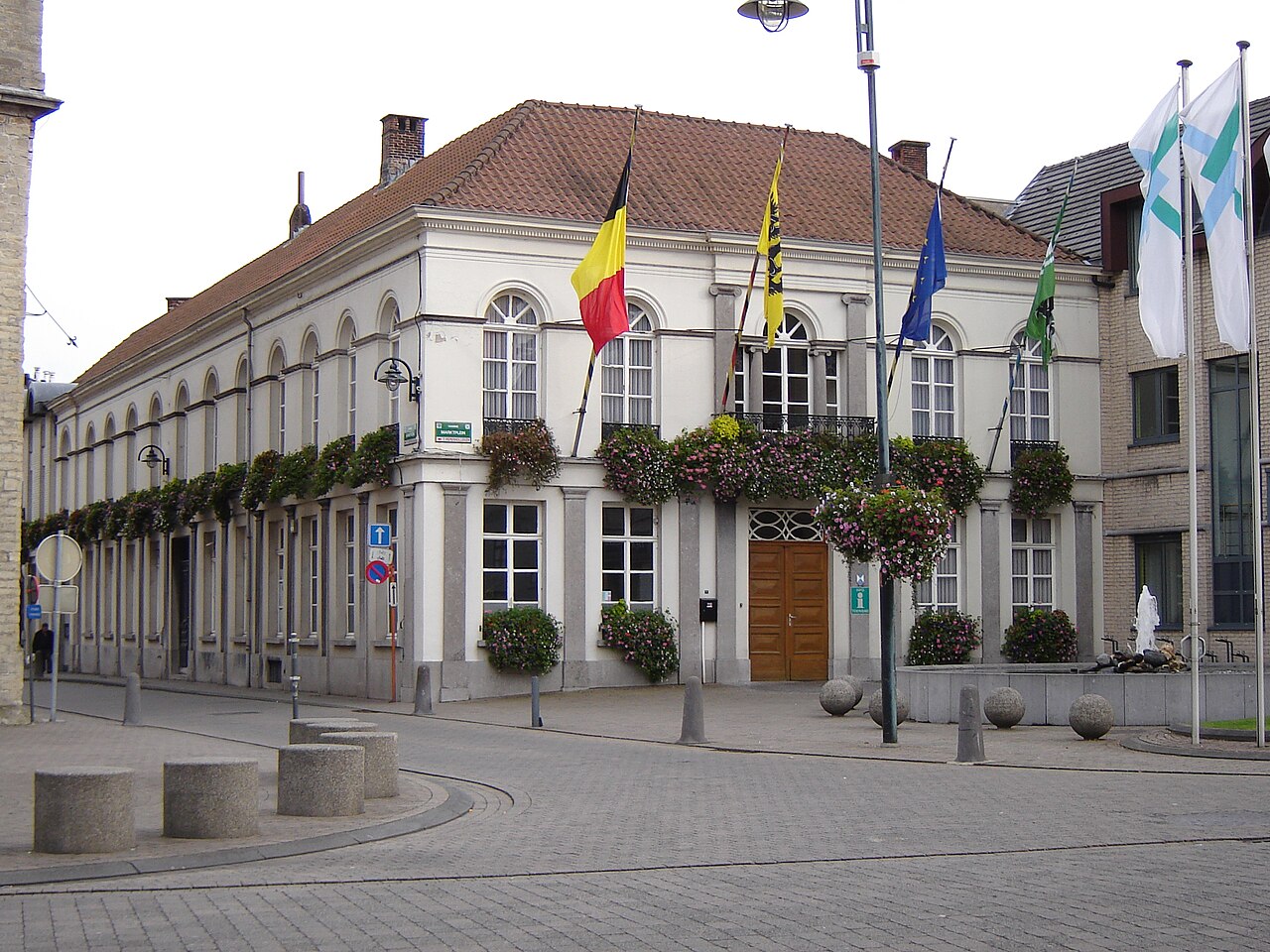
- Municipal administration and community services located in Hamme town center.
- Religious and civic architecture reflecting local history.
- Natural corridors and waterways supporting recreation and biodiversity.
For official information and statistics consult municipal resources or provincial guides via local portals such as municipal website, general Belgian administrative pages like regional portals, or provincial overviews at East Flanders information. Hamme should not be confused with similarly named places elsewhere in Europe.
Related articles
Author
AlegsaOnline.com Hamme (East Flanders, Belgium) Leandro Alegsa
URL: https://en.alegsaonline.com/art/42079
Sources
- statbel.fgov.be : Population per municipality as of 1 January 2016
- statbel.fgov.be : Werkelijke bevolking per gemeente op 1 januari 2007 / Population de droit par commune au 1 janvier 2007 (.xls)
- statbel.fgov.be : Geografische coördinaten van de gemeenten (.xls)
- commons.wikimedia.org : Hamme, East Flanders