
Güstrow (Mecklenburg-Western Pomerania)
Güstrow is a historic town in northern Germany's Mecklenburg-Western Pomerania, known for its Brick Gothic cathedral, Renaissance castle and links to sculptor Ernst Barlach; population roughly 30,000.
Güstrow is a town in the state of Mecklenburg-Western Pomerania in northern Germany. Located amid lakes and gentle countryside, it has long served as a regional centre for administration, culture and trade. For basic information and resources see the town's entry: Güstrow.
The municipality had roughly 30,500 inhabitants in 2008 and ranks among the larger urban places in the state. It has been associated with the official suffix Barlachstadt since 2006 in recognition of the sculptor and writer Ernst Barlach, whose life and work are a defining cultural feature of the town. Historically Güstrow served as the seat of the district that bore its name and retains local administrative functions today.
Image gallery
10 Images




Notable landmarks and architecture
- Güstrow Cathedral (Dom): a Brick Gothic church that dominates the old town and reflects the region's medieval ecclesiastical architecture.
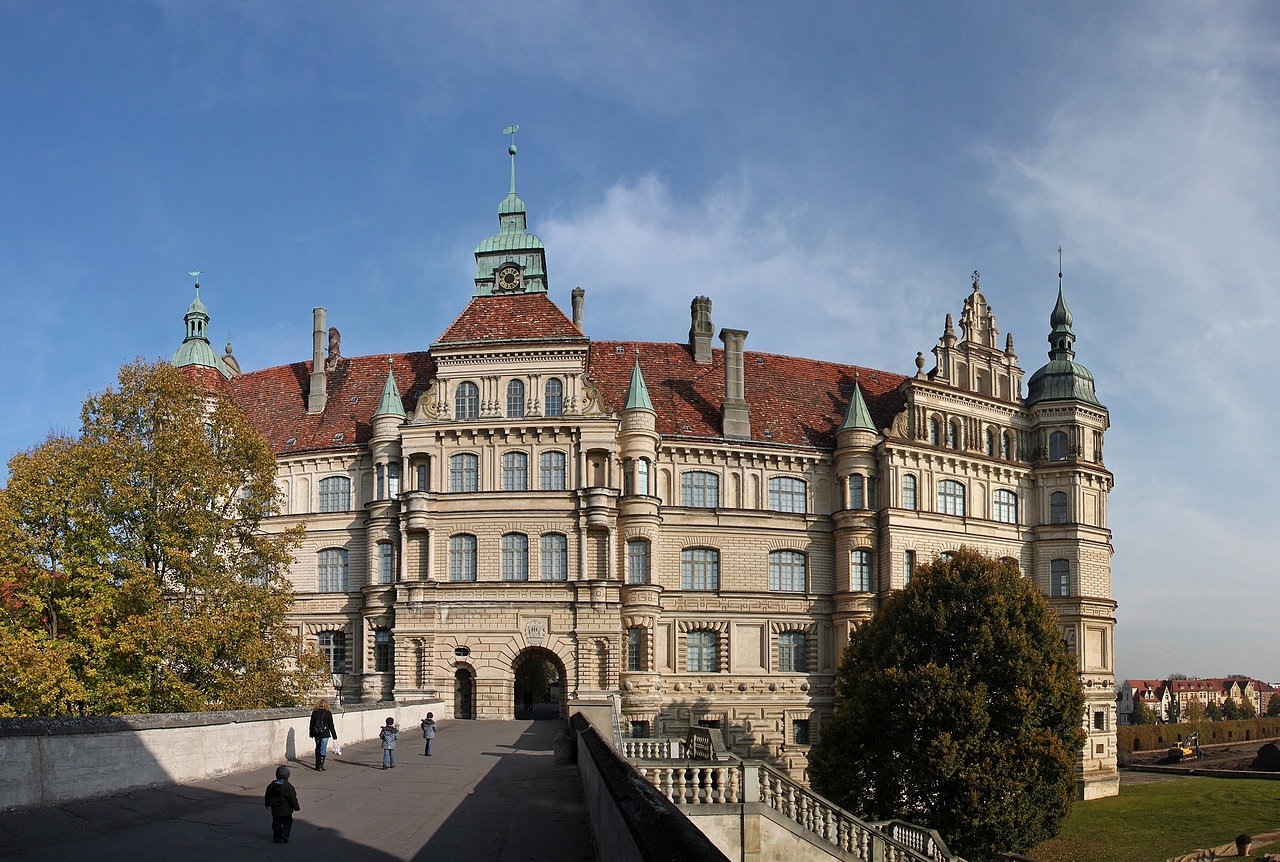
- Renaissance castle (Schloss): a ducal residence rebuilt in later styles, now a focal point for visitors and local history exhibits.
- Old town and market square: clusters of historic buildings, half-timbered houses and civic monuments that illustrate several centuries of urban development.
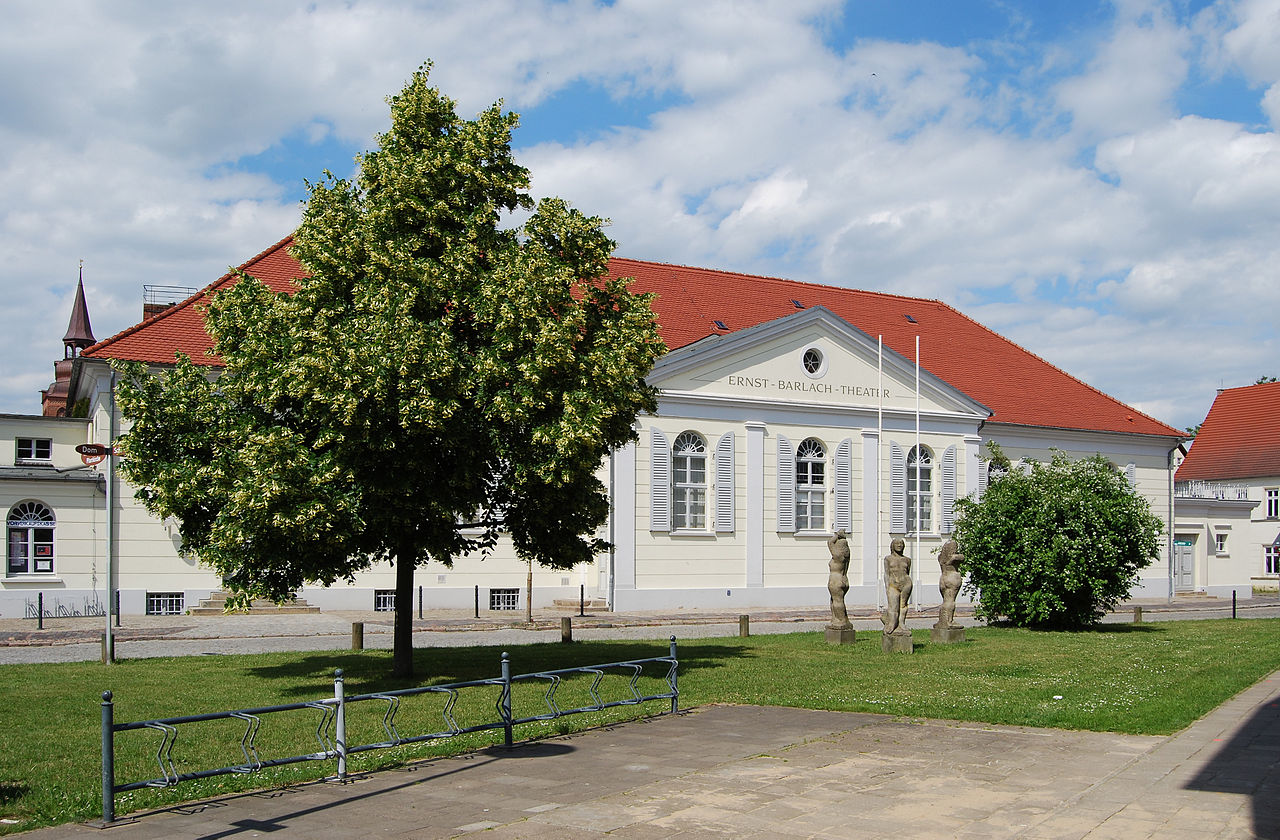
- Museums and memorials: institutions dedicated to Ernst Barlach and to local history conserve important works and archival material.
These sites make Güstrow a compact museum of northern German architecture and a popular destination for regional tourism. The surrounding lakes and rivers provide opportunities for boating, walking and nature observation, complementing cultural visits.
History and cultural significance
Güstrow developed in the Middle Ages and later became a ducal residence in the Mecklenburg territories. Over time the town accumulated ecclesiastical and civic buildings, reflecting its role in regional governance and economy. In the 20th century Güstrow's cultural reputation grew through the association with Ernst Barlach, whose sculptures and literary output drew attention to the town as a centre for modernist art in northern Germany.
Today Güstrow combines municipal services, cultural institutions and small-scale industry with a service economy oriented toward tourism and heritage. Regular exhibitions, performances and educational programmes build on the town's collections, while local festivals and markets sustain community life. For visitors and researchers alike, Güstrow presents an accessible example of Mecklenburg's historical towns, notable both for its built environment and for its artistic legacy.
Related articles
Author
AlegsaOnline.com Güstrow (Mecklenburg-Western Pomerania) Leandro Alegsa
URL: https://en.alegsaonline.com/art/41532
Sources
- destatis.de : "Alle politisch selbständigen Gemeinden mit ausgewählten Merkmalen am 31.12.2018 (4. Quartal)" · web.archive.org
- laiv-mv.de : "Bevölkerungsstand der Kreise, Ämter und Gemeinden in Mecklenburg-Vorpommern 31.12.2016"