
Angaïs — commune in Pyrénées-Atlantiques, France
Angaïs is a small rural commune in the Pyrénées-Atlantiques department of southwestern France, in the historical Béarn area. It is characterized by agricultural land, local heritage, and village life.
Overview
Angaïs is a commune located in the Pyrénées-Atlantiques department of southwestern France. Administratively it belongs to the French communal system and lies within the broader historical province of Béarn and the modern region of Nouvelle-Aquitaine. The village functions as a small local centre for surrounding farms and hamlets, reflecting the rural pattern common to this part of France.
Image gallery
3 Images

Geography and landscape
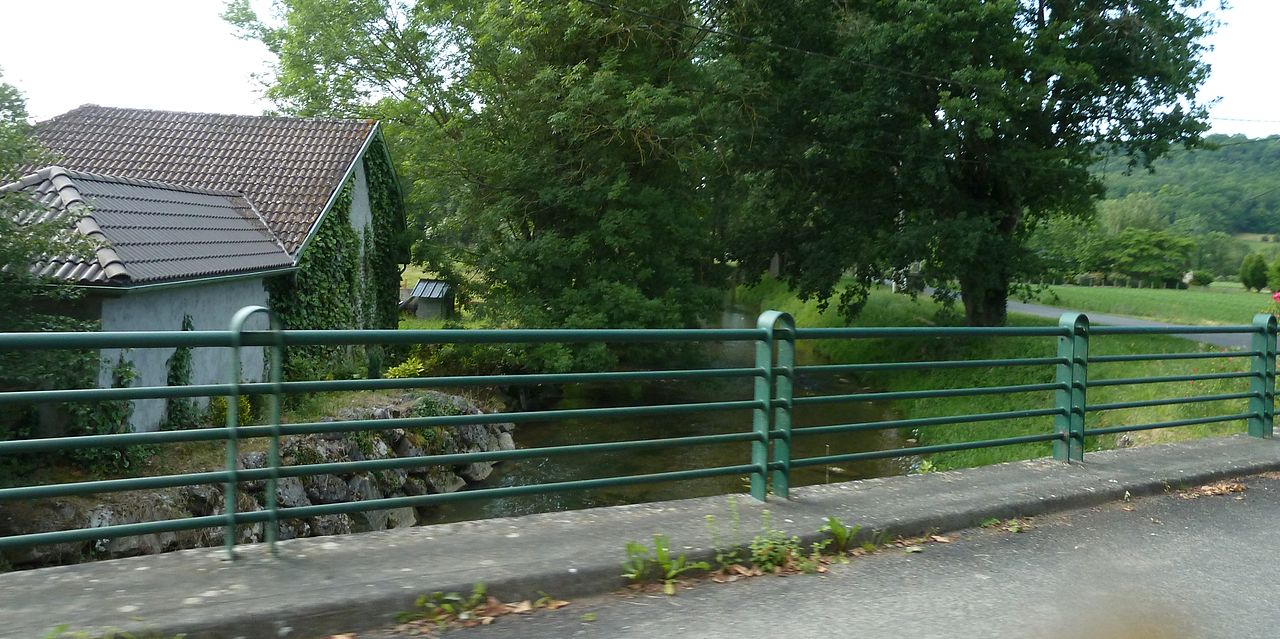
The commune occupies gently rolling countryside typical of the foothills of the Pyrenees. Agricultural fields, meadows and small woodlands shape its landscape, and local streams feed into larger rivers of the region. The setting offers views toward higher ground to the south and agricultural lowlands to the north.
History and culture
Like many villages in Béarn, Angaïs has roots that reach back through medieval and early modern regional development. Local culture is influenced by Béarnaise traditions and the Occitan linguistic heritage of southwestern France. Village life often revolves around the church, a war memorial, seasonal fêtes and communal events that preserve local customs.
Administration, economy and services
Angaïs is governed by a mayor and municipal council in accordance with French municipal law. Economic activity is dominated by farming and small-scale local services; some residents commute to nearby towns for employment and schools. Public amenities typically include a town hall, a primary school or access to schooling in neighbouring communes, and local roads connecting to departmental routes.
Notable facts and visiting
Visitors encounter traditional Béarnaise architecture and a quiet rural ambience. Points of interest are modest but representative: village churches, rural landscapes and community festivals. For administrative information see the Pyrénées-Atlantiques department pages, for local governance context consult a general guide to the French commune system, and for regional background consult resources on southwestern France.
- Typical features: agricultural land, village church, communal activities.
- Regional influences: Béarnese traditions and Occitan cultural ties.
- Access: local roads link Angaïs with nearby towns and services.
Tags
Related articles
Author
AlegsaOnline.com Angaïs — commune in Pyrénées-Atlantiques, France Leandro Alegsa
URL: https://en.alegsaonline.com/art/4100