
Grimsby, Lincolnshire
Grimsby is a port town on the Humber Estuary in Lincolnshire, England, known for its historic fishing industry, port facilities, and recent regeneration around food processing and offshore energy.
Grimsby (often called Great Grimsby) is a seaport town on the south bank of the Humber Estuary in Lincolnshire, England. Its position on the estuary has shaped its identity: historically a major fishing and maritime centre, today it combines port activity, food-related industries and links to offshore energy and logistics.
Image gallery
10 Images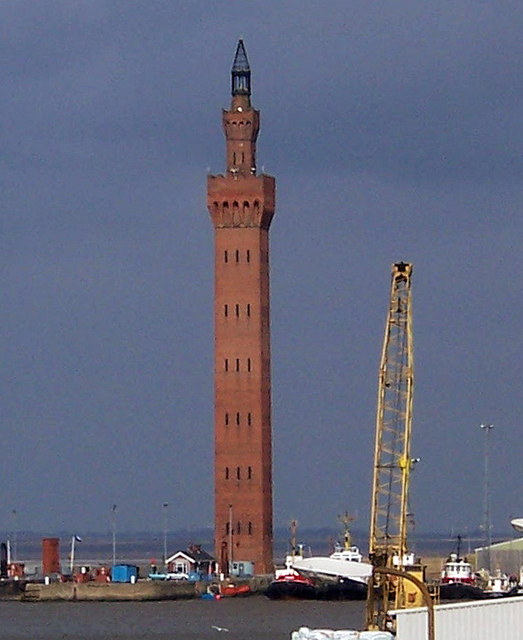


Location and character
Grimsby lies close to the coastal resort of Cleethorpes and serves as a regional hub for transport and commerce. The town's riverside docks, industrial areas and residential districts reflect phases of expansion tied to shipping, fishing and later manufacturing. Grimsby retains maritime features such as docks, quays and warehouse buildings while newer developments seek to diversify the local economy.
History and development
Origins reach back to medieval times, and the town grew rapidly with the expansion of commercial fishing and the arrival of railway and dock infrastructure. In the 19th and 20th centuries Grimsby became one of the most important fishing ports in Europe. Late 20th-century declines in the fishing fleet prompted social and economic change and led to efforts to regenerate the waterfront and local industry.
Economy and uses
- Port operations and freight handling continue to be important.
- Food processing and seafood-related businesses form a significant part of local employment.
- Offshore wind and marine services have grown as new energy sectors developed in the nearby North Sea.
Culture and notable facts
Grimsby has cultural institutions, community initiatives and sporting traditions, including its football club. Maritime heritage is celebrated in museums and events that recall the town's fishing past. For further regional information see Lincolnshire resources.
Related articles
Author
AlegsaOnline.com Grimsby, Lincolnshire Leandro Alegsa
URL: https://en.alegsaonline.com/art/40949