
Greyhound Lines — American intercity bus operator
Greyhound Lines is a long-established American intercity bus company founded in 1914. It operates scheduled coach services connecting cities across the United States and has played a notable cultural and transportation role.
Overview
Greyhound Lines is a long-standing provider of scheduled intercity coach service in the United States. Established in 1914, the brand grew to represent nationwide bus travel for people seeking an affordable, long-distance alternative to car and air travel. Greyhound routes connect major urban centers, regional hubs and smaller communities, offering regular departures on established corridors.
Image gallery
10 Images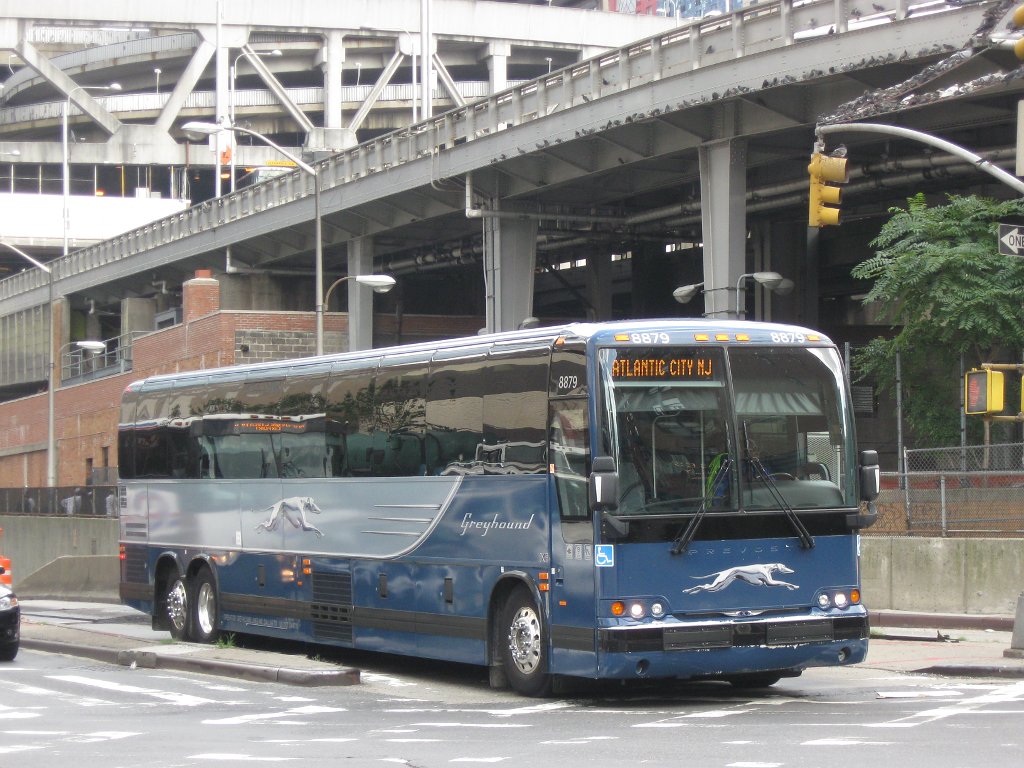




Characteristics and equipment
Greyhound operates fleets of highway coaches designed for extended trips. Modern coaches typically include luggage bays, reclining seats, onboard restrooms and, on many routes, Wi‑Fi and power outlets. Like most heavy coaches, they use compressed-air (air) braking systems and diesel engines; fuel capacity on long-distance coaches is substantial to support extended ranges without frequent refueling.
History and development
The company traces its origins to small motor‑coach operators of the 1910s and expanded through acquisitions and route consolidation during the 1920s and 1930s into a national network. Over the decades Greyhound adapted to changing travel patterns, regulation and competition from automobiles, airlines and other bus companies. During the first two decades of the 21st century it was owned by FirstGroup, a transport company listed on the London Stock Exchange.
Services, routes and role
Greyhound provides scheduled service between cities and towns, with some overnight trips, transfers at regional terminals and direct runs between major terminals. The service has been important for students, workers, and travelers seeking lower-cost options. In areas with limited rail service, intercity buses remain a vital part of mobility for people without cars.
Distinctive points and modern context
Greyhound differs from urban transit and commuter buses by focusing on longer-distance, scheduled intercity travel rather than local fixed-route service. It competes and sometimes cooperates with private coach brands and newer intercity carriers. Ticketing is available at terminals and online, and policies on baggage, pets and refunds are set by the company and subject to regulatory oversight.
Practical features and traveler notes
Passengers can expect standard coach amenities and should plan for basic comforts on longer runs. Typical features include:
- reclining seats and aisle access
- built-in luggage compartments and overhead storage
- onboard restrooms on many coaches
- Wi‑Fi and electrical outlets on some vehicles
For schedules, fares and company information consult official Greyhound resources or authorized sellers of intercity travel. More background on the company and its place in U.S. transportation history is available through general transportation histories and industry reports.
intercity bus services remain a practical option for many travelers, offering a balance of cost, convenience and route coverage not always matched by other modes.
Related articles
Author
AlegsaOnline.com Greyhound Lines — American intercity bus operator Leandro Alegsa
URL: https://en.alegsaonline.com/art/40890