
Gregory Blaxland — Australian pioneer farmer and explorer
Gregory Blaxland (1778–1853) was an English-born settler, farmer and explorer in Australia best known for helping cross the Blue Mountains in 1813 and for early agricultural experiments.
Gregory Blaxland (17 June 1778 – 1 January 1853) was an English-born settler who became notable in colonial Australia as a farmer, viticulturist and explorer. He established an estate near Parramatta and conducted early agricultural and vine-growing experiments that contributed to improving colonial food production and land use.
Image gallery
3 Images
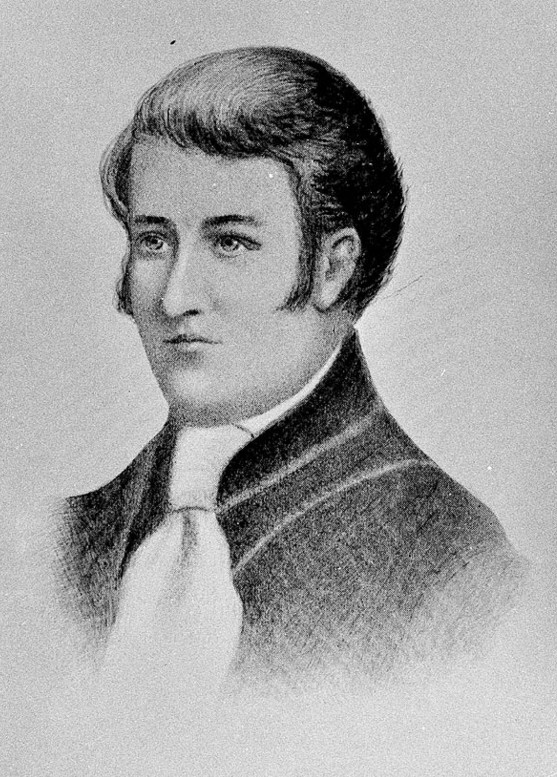

Exploration and the Blue Mountains
Blaxland is best known for leading, with William Lawson and William Charles Wentworth, the 1813 crossing of the Blue Mountains west of Sydney. That expedition found a practicable route across the difficult mountain barrier that had limited westward settlement. The success opened access to extensive grazing and farming land beyond the coastal plain and marked a turning point in the colony's expansion.
Life and activities
As a pioneer farmer, Blaxland experimented with crops and pastoral techniques on his property. He pushed for improved roads and land use patterns, and he took part in the civic life of the early colony. Contemporary accounts describe him as determined and practical, qualities that helped in both exploration and farming.
Legacy and significance
Blaxland's crossing of the mountains is commemorated in place names and histories of early Australian settlement. His efforts contributed to opening inland Australia for formal agriculture and settlement, a development often described in discussions of the colony's economic and geographic growth in Australia.
Notable facts
- The 1813 expedition is frequently cited as a milestone in colonial exploration.
- Blaxland combined practical farming with exploration, bridging two important colonial pursuits.
Related articles
Author
AlegsaOnline.com Gregory Blaxland — Australian pioneer farmer and explorer Leandro Alegsa
URL: https://en.alegsaonline.com/art/40819
Sources
- australianstamp.com : australianstamp.com