
Great Henny, Essex
Great Henny is a small village and civil parish in the Braintree district of Essex, England, noted for its rural character, historic buildings and small population recorded in the early 21st century.
Great Henny is a small village and civil parish in the Braintree district of Essex, in the East of England. It is a predominantly rural settlement distinguished from its neighbour Little Henny by the historical use of "Great" and "Little" to separate adjacent hamlets. In the 2001 census the parish population was recorded as 126 people.
Image gallery
7 Images

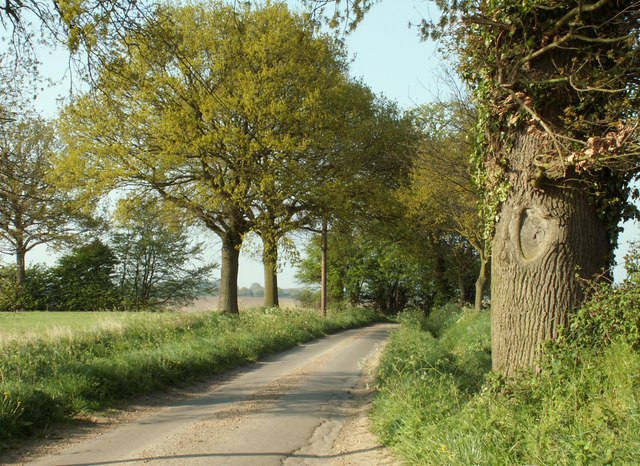


Setting and character
The parish lies within a landscape of farmland, hedgerows and country lanes typical of north‑Essex villages. Development is low-density, with a mixture of historic cottages, farm buildings and later houses clustered around a central lane or near the parish church. Many residents are engaged in agriculture, small‑scale rural businesses or commute to nearby towns for work. The area attracts walkers and visitors interested in quiet countryside and local history.
History and built features
Great Henny has medieval origins reflected in its pattern of fields and lanes and the presence of older buildings and traditional farmsteads. The parish contains a church and several buildings of architectural or historical interest, some of which are formally listed for their heritage value. The place name and settlement pattern illustrate the long continuity of rural life in Essex.
Community, governance and access
As a civil parish, Great Henny has local responsibilities handled through its parish meeting or council and forms part of Braintree District under Essex County Council for wider services. Local amenities are limited; residents typically use shops, schools and services in nearby larger villages and towns. Public transport is sparse, so private car travel is the most common means of access.
Notable points
- Small population with a close-knit rural community.
- Historic buildings and agricultural character are prominent.
- Part of the Braintree district — see Braintree District Council for local governance information.
Great Henny exemplifies many small English parishes where landscape, heritage and modern rural life coexist. For visitors or researchers, it offers insight into Essex’s agricultural history and the ongoing role of small settlements in the regional community structure.
Related articles
Author
AlegsaOnline.com Great Henny, Essex Leandro Alegsa
URL: https://en.alegsaonline.com/art/40510
Sources
- neighbourhood.statistics.gov.uk : Neighbourhood Statistics