
Gras, a commune in Ardèche, France
Gras is a rural commune in the Ardèche département of Auvergne‑Rhône‑Alpes, southern France, notable for its agricultural landscape, local heritage, community life and access to regional outdoor activities.
Gras is a commune in the Ardèche département, part of the Auvergne‑Rhône‑Alpes region in southern France. Typical of small rural communes it combines dispersed hamlets, agricultural land, woodland and local infrastructure that supports day-to-day community life.
Image gallery
1 Image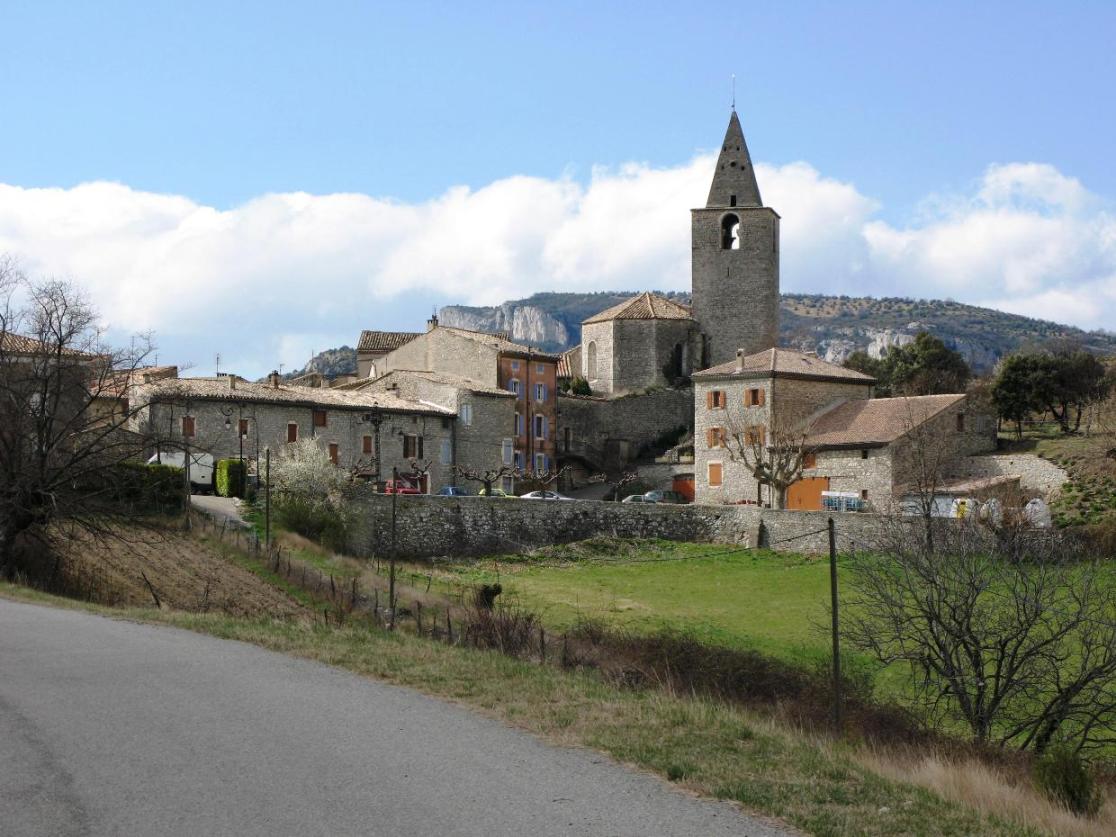
Geography and landscape
The territory of Gras features gently rolling hills, mixed forests and cultivated plots. Its natural setting reflects the varied character of Ardèche, with quiet lanes, stone farmhouses and limestone or schist landscapes in places. The area is suited to walking, birdwatching and other low‑impact outdoor recreation; visitors often appreciate the quiet countryside and panoramic views rather than built attractions.
History and built heritage
Gras shares the long rural history of the region. Local architecture is usually vernacular: small churches or chapels, traditional farm buildings and masonry houses that show adaptations made over centuries. While not all such communes have major monuments, preservation of local heritage and traditional construction contributes to the identity of the village and its surroundings.
Administration and community
As a French commune, Gras is administered locally by a mayor and municipal council. It participates in intercommunal cooperation with neighbouring communes for services such as schools, waste collection and development planning. Community life typically relies on associations, seasonal fêtes and a rhythm tied to agriculture and local traditions.
Economy, activities and tourism
The local economy is predominantly rural: small‑scale farming, artisanal producers and service businesses that serve residents and visitors. In the wider Ardèche, well‑known regional products (such as chestnuts, cheeses and other specialties) shape local gastronomy; rural tourism, hiking and access to rivers and gorges in the department draw visitors to the area.
Practical information
Gras is reached via departmental roads and by regional transport links; amenities are modest and residents often travel to nearby towns for markets and larger services. Information for visitors or people considering moving to the area is usually available from the town hall and intercommunal offices.
Features
- Rural character with scattered hamlets and farmland.
- Vernacular architecture: small churches, stone houses and farm buildings.
- Outdoor opportunities: walking, cycling and nature observation.
- Local governance within France's commune system and intercommunal cooperation.
For general administrative or tourist details consult local sources or the commune's official contacts and regional guides.
Related articles
Author
AlegsaOnline.com Gras, a commune in Ardèche, France Leandro Alegsa
URL: https://en.alegsaonline.com/art/40364