
Andrey Nikolayevich Sakharov — Soviet-Russian historian of medieval diplomacy
Soviet-Russian historian (1930–2019) who specialized in the diplomacy of medieval Rus'. Author of The Diplomacy of Ancient Rus and The Diplomacy of Svyatoslav; director of the Russian History Institute and RAS member.
Andrey Nikolayevich Sakharov (Russian: Андрей Николаевич Сахаров; 2 June 1930 – 26 June 2019) was a Soviet and Russian historian best known for his research on the diplomatic relations and foreign policy of medieval Rus'. He is distinct from the physicist and public figure Andrei D. Sakharov; the historian Sakharov's work focused on political structures, interstate contacts and the documentary foundations of early Rus' diplomacy.
Image gallery
1 Image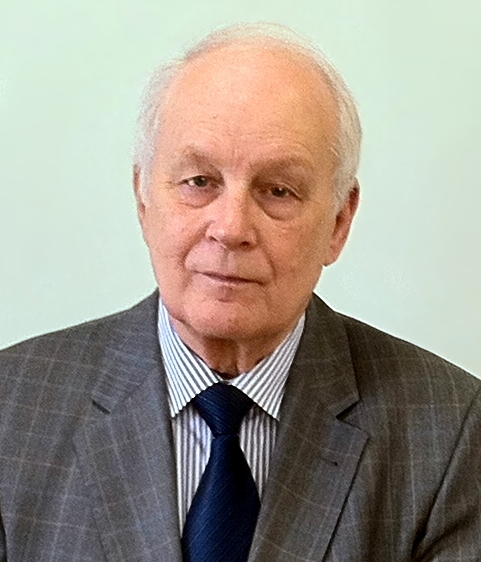
Overview and academic standing
Sakharov made his reputation through careful study of chronicles, treaty texts, Byzantine and foreign sources, and related material evidence. His scholarship emphasized the institutional and practical aspects of how Kievan and regional principalities managed relations with neighboring states, steppe peoples and the Byzantine Empire. He was elected a full member of the Russian Academy of Sciences in 1991 (RAS) and later served in senior academic positions.
Major works and themes
Among his most cited books are The Diplomacy of Ancient Rus (1980) and its sequel The Diplomacy of Svyatoslav (1982). These monographs examine the mechanisms of negotiation, the role of envoys and treaties, tribute and alliance systems, and the ways in which rulers projected power beyond their borders. Sakharov paid particular attention to Svyatoslav I of Kiev as a case study in princely military diplomacy, combining narrative sources with comparative analysis.
Career and institutional roles
Born in Kulebaki in the then Soviet Union (Kulebaki), Sakharov rose through the Soviet historical profession into senior academic leadership. In 1993 he was appointed Director of the Russian History Institute, an organization affiliated with the Academy of Sciences that coordinates historical research and publication. His administrative and editorial work helped shape research agendas and supported the publication of primary sources and monographs on Russian history.
Public engagement and later activity
In the late 2000s and early 2010s Sakharov participated in public and governmental efforts related to historical memory. Between 2009 and 2012 he served on the Presidential Commission of the Russian Federation to Counter Attempts to Falsify History to the Detriment of Russia's Interests, a body that sought to address perceived distortions of Russia's past. The commission's activities provoked debate among historians and the wider public about historical interpretation and politics; Sakharov's membership reflected his standing within Russian scholarly circles and his interest in how history is used in public life.
Legacy and assessment
Sakharov's work remains relevant for students of medieval Eastern Europe and Byzantine relations because of its focus on diplomatic praxis and on close readings of primary materials. His monographs continue to be cited in studies of Kievan Rus', Slavic-Byzantine contacts and the formation of early East Slavic political culture. He died in Moscow on 26 June 2019 (Moscow) at the age of 89. For further bibliographic details and selected publications see specialist catalogs and institutional pages (author profile).
- Selected titles: The Diplomacy of Ancient Rus; The Diplomacy of Svyatoslav.
- Positions: Member of the Russian Academy of Sciences (1991), Director of the Russian History Institute (from 1993).
- Public roles: Member, Presidential Commission to Counter Attempts to Falsify History (2009–2012).
Researchers approaching Sakharov's work will find a consistent interest in how political power was communicated and negotiated across cultural and geographic frontiers in the medieval period. His publications are useful starting points for understanding early Rus' foreign relations and the documentary basis for reconstructing diplomatic practice.
For additional institutional references and archival material consult the Russian Academy of Sciences and the Russian History Institute entries (RAS, research profile), and regional biographical resources relating to his birthplace (Kulebaki) and places of work. Obituaries and retrospective assessments published after his death in 2019 provide context for his influence in contemporary Russian historiography (Moscow notices).
Related articles
Author
AlegsaOnline.com Andrey Nikolayevich Sakharov — Soviet-Russian historian of medieval diplomacy Leandro Alegsa
URL: https://en.alegsaonline.com/art/4030
Sources
- google.com : Who's Who in Russia
- grani.ru : Обратное провидение
- polit.ru : По следам публикации. В защиту Мединского
- newsru.com : Экс-директор Института российской истории РАН Андрей Сахаров умер на 90-м году жизни