
Grand Prairie, Texas
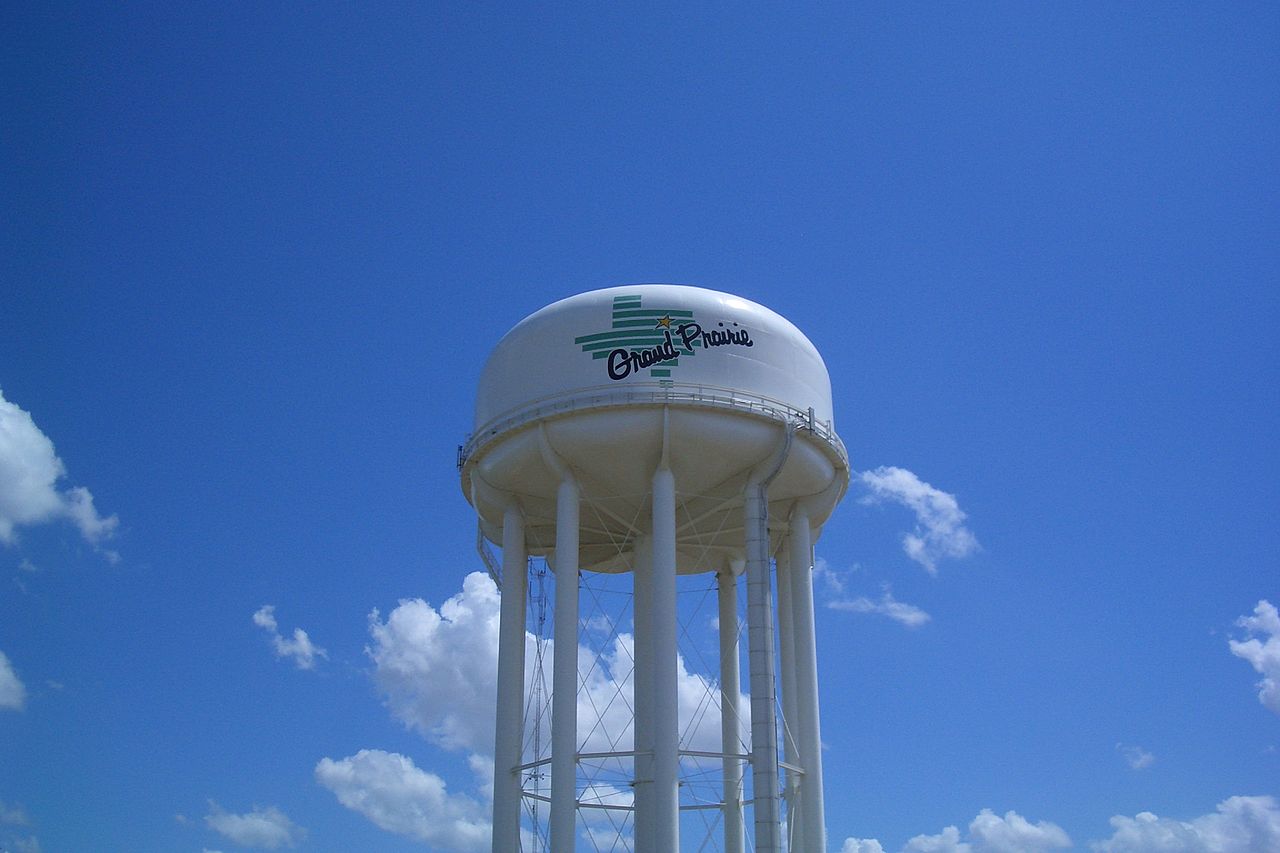
Grand Prairie is a midsize city in the Dallas–Fort Worth Metroplex, spanning three counties in Texas and known for recreation, entertainment venues, and suburban growth around Dallas and Fort Worth.
Grand Prairie is a city in the U.S. state of Texas that occupies portions of Dallas County, Tarrant County and Ellis County. It lies within the larger Dallas–Fort Worth Metroplex, the metropolitan region anchored by the cities of Dallas and Fort Worth. According to the 2010 U.S. census, the city had a population of 175,336, making it one of the more populous suburbs in the area.
Image gallery
8 Images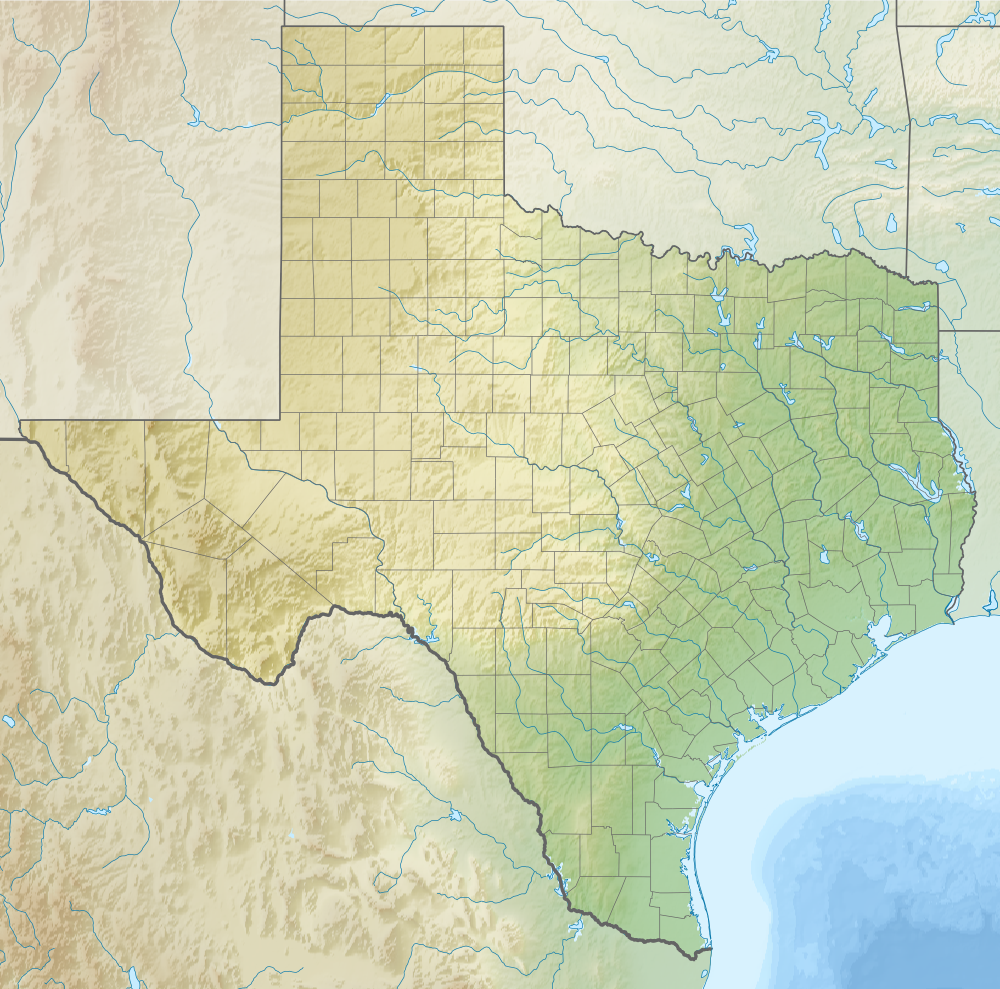



Overview and character
Grand Prairie is primarily suburban with concentrations of retail, light industry and residential neighborhoods. It developed as part of the broader growth of the North Texas region, and offers a mix of family-oriented amenities, public parks and several large entertainment venues. Its location between larger cities has made it attractive to commuters while also supporting locally based businesses.
History and development
The community began as farming and ranching land in the 19th century and gradually urbanized during the 20th century as roads and industry expanded across the Metroplex. Over time, municipal services, schools and parks were added to support population increases. The city’s growth accelerated with suburban expansion from Dallas and Fort Worth, as regional transportation corridors made commuting feasible.
Economy, recreation and landmarks
Grand Prairie’s economy is diverse, combining retail centers, manufacturing, and entertainment-driven tourism. Notable recreational and cultural attractions include:
- Lone Star Park, a racetrack and event venue that has hosted thoroughbred racing and other events.
- The Theatre at Grand Prairie (a mid-sized concert and performance hall formerly known by a corporate name).
- Epic Waters Indoor Waterpark, a large year-round waterpark that draws regional visitors.
- Joe Pool Lake and surrounding parks, offering boating, fishing and trails.
Transportation and services
The city is served by regional highways and local roads that connect to the broader Dallas–Fort Worth area; airports, freight routes and commuter options in the Metroplex are accessible to residents and businesses. Public services include municipal parks, public safety departments and school systems; parts of the city fall under different independent school districts, reflecting its cross-county footprint.
Demographics and notable facts
Grand Prairie is ethnically and economically diverse and has experienced steady population and housing growth alongside the expansion of the Metroplex. Its position within three counties is a distinguishing administrative feature and contributes to a mix of local policies and service arrangements. For visitors and residents alike, the combination of recreational lakes, entertainment venues and suburban amenities defines the city’s regional role.
For more information on municipal services, economic data and visitor resources, see local government and regional planning pages linked from municipal and metropolitan organizations.
Related articles
Author
AlegsaOnline.com Grand Prairie, Texas Leandro Alegsa
URL: https://en.alegsaonline.com/art/40211
Sources
- gptx.org : "City of Grand Prairie Texas"
- factfinder.census.gov : "American FactFinder"
- geonames.usgs.gov : "US Board on Geographic Names"