
Andrei Bitov: Russian novelist and literary figure
Andrei Bitov (1937–2018), acclaimed Russian writer of experimental prose and metafiction, author of Pushkin House, co‑founder and president of the Russian PEN Club and a teacher at the Maxim Gorky Institute.

Overview
Andrei Georgiyevich Bitov (Андре́й Гео́ргиевич Би́тов, 27 May 1937 – 3 December 2018) was a prominent Russian writer known for his inventive narratives, ironic voice and engagement with literary history. His work ranges from short stories to ambitious experimental novels and occupies an important place among late Soviet and post‑Soviet authors. Bitov combined humour, reflection and formal play to examine memory, identity and the literary tradition.
Image gallery
2 Images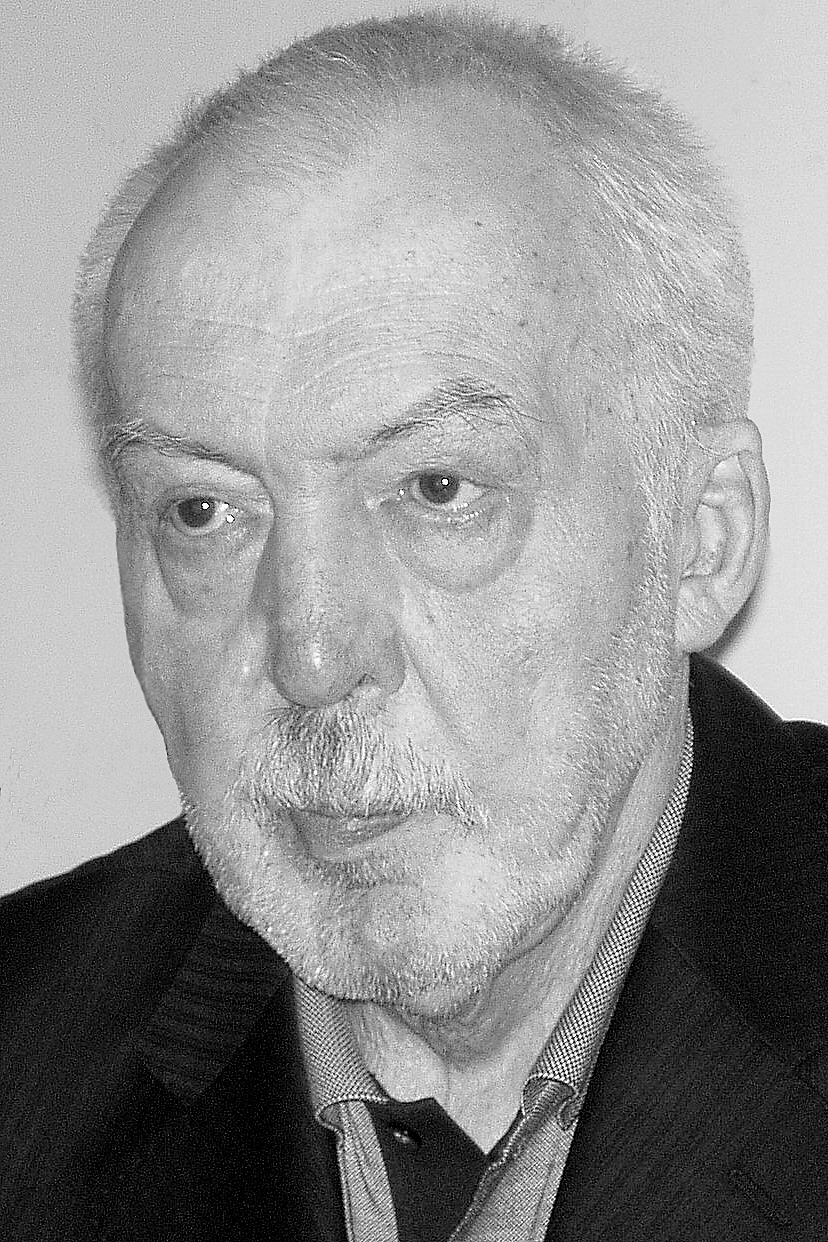
Life and career
Bitov was born in Leningrad, in what was then the Soviet Union. He emerged as a literary presence in the post‑war generation of writers and later taught at the Maxim Gorky Literature Institute, where he influenced younger authors. In 1988 he helped establish the Russian PEN Club, an organization devoted to writers' rights and literary exchange, and he became its president beginning in 1991. He continued to write, lecture and take part in literary life until his death in Moscow in December 2018.
Major works
Bitov's output includes short stories and longer fiction. Among the titles most often cited are "Life in Windy Weather" (a collection of short pieces), "A Captive of the Caucasus", "Ten Short Stories", "The Monkey Link" and "The Symmetry Teacher". His best‑known novel, "Pushkin House", brought together autobiography, cultural commentary and metafictional devices to explore Russian letters and personal history. Several of his books have been translated and discussed internationally.
Themes and style
Characteristic features of Bitov's writing are self‑reflexivity, layered narration and playful attention to the act of storytelling. He often blends memory and imagination, inserting literary criticism and philosophical asides into fictional frameworks. His tone can shift from witty and conversational to melancholic or polemical, and he frequently foregrounds the relationship between writer, reader and cultural heritage.
Significance and recognition
Bitov is regarded as an important figure in late twentieth‑century Russian literature for his formal experimentation and for helping to open a space for literary debate in a changing society. He served in institutional roles that shaped public literary life and mentored newcomers. Among the honours he received late in life was the Order of Friendship in 2018, reflecting official recognition of his cultural contribution.
Selected facts
- Founder and long‑time leader of the Russian PEN Club, active in writers' rights and international exchange.
- Teacher at the Maxim Gorky Literature Institute, where he influenced several generations of writers.
- Remembered for combining satire, erudition and formal invention in both short and long forms.
Readers approaching Bitov today will find a writer deeply engaged with Russian literary tradition but willing to question and reconfigure it, producing work that rewards attention to voice, structure and historical context.
Tags
Related articles
Author
AlegsaOnline.com Andrei Bitov: Russian novelist and literary figure Leandro Alegsa
URL: https://en.alegsaonline.com/art/3984
Sources
- meduza.io : "Умер Андрей Битов"