
Boris Pasternak: Russian poet, novelist and translator (1890–1960)
Overview of Boris Pasternak’s life, major works (including My Sister, Life and Doctor Zhivago), his translations, the Nobel episode, and his literary legacy in 20th‑century Russian culture.
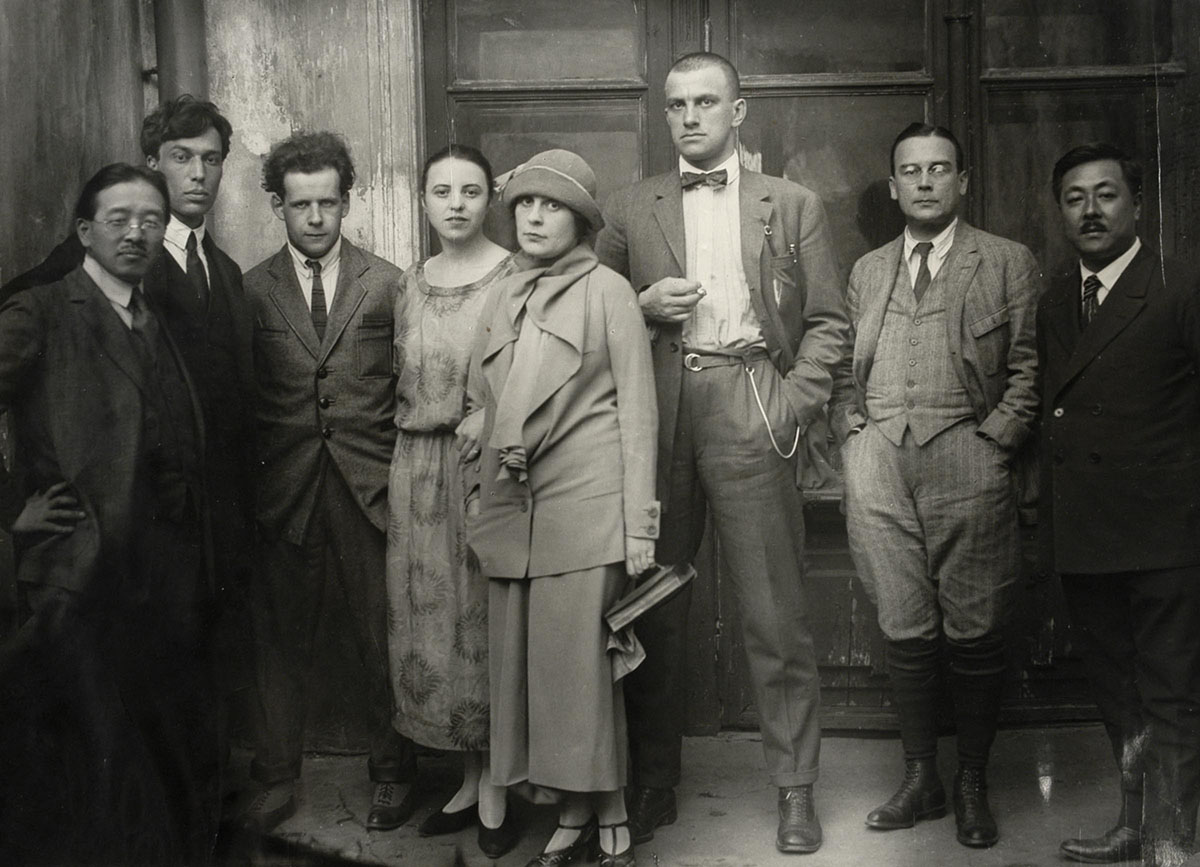
Boris Leonidovich Pasternak (born 10 February [O.S. 29 January] 1890 — died 30 May 1960) was a leading Russian poet, novelist and translator whose work bridged pre‑revolutionary modernism and mid‑20th century literary dissent. Born into an artistic Jewish family in Russia, he became known for a handful of poems and one novel that together ensured his place in world literature. His reputation rests on the lyric intensity of his poetry collection My Sister, Life and on the international fame of the novel Doctor Zhivago.
Early in his career Pasternak developed a gift for condensed, image‑rich lines and a musical sense of phrasing. He published poems and translations while pursuing intellectual interests across languages and the arts, and he moved between poetic experimentation and close work on dramatic texts. Critics have described his verse as marked by intimate observation, emotional clarity and a modernist impulse to renew everyday language.
My Sister, Life (published in the 1920s) is often cited as a breakthrough in Russian poetry for its fresh diction, sensuous imagery and the interweaving of eros and nature. The collection influenced younger poets with its combination of personal lyricism and philosophical reflection. Pasternak’s poetic voice remained distinctive for its refusal to settle into simple slogans; instead it favored nuance, metaphor and a persistent interest in moral responsibility.
Doctor Zhivago, Pasternak’s only full‑length novel, spans the years surrounding the Russian revolutions and two world wars. It focuses on the inner life of Yuri Zhivago, a physician and poet, and on the ways historical upheaval reshapes private lives. The manuscript was not accepted for publication in the Soviet Union; a typescript was taken abroad and the novel first appeared in Italy in 1957. In 1958 Pasternak was awarded the Nobel Prize in Literature, a decision that provoked severe official reprisals at home and led him to decline the prize under pressure. The episode highlighted tensions between artistic independence and political power in the Soviet era.
Alongside his original writing, Pasternak was an influential translator of major European dramatists and poets. His renderings of Goethe, Schiller and Shakespeare were widely performed and read in Russian translation, and they helped renew interest in classical and romantic drama for Soviet audiences. His translations are praised for their attention to rhythm and a desire to convey the living voice of the original works.
Pasternak died of lung cancer in 1960. His life and career have been emblematic of larger debates about conscience, art and authority in the 20th century. The clandestine circulation of banned texts (samizdat) that helped distribute his novel abroad was later adopted and refined by other Soviet dissidents; the international controversy over his Nobel award damaged the Soviet literary establishment’s prestige and remains a notable moment in cultural Cold War history. Today Pasternak is remembered as a major figure in Russian letters whose work continues to be read for its lyrical intensity and moral complexity.
Image gallery
10 Images




Further reading and resources
- Biographical overview and chronology
- Collected poems and selected translations
- Family background and early influences
- Analysis of My Sister, Life
- Critical reception in Russia
- Pasternak’s translations for the theatre
- Doctor Zhivago: novel overview
- Context: art and ideology in the Soviet period
- Publication history and censorship
- The novel’s first foreign edition
- The Nobel Prize controversy (1958)
- Legacy in Russian literature
- Samizdat and the circulation of banned texts
- Further scholarly essays and primary documents
Questions and answers
Q: Who was Boris Leonidovich Pasternak?
A: Boris Leonidovich Pasternak was a Russian poet, novelist, and literary translator. His parents were Jewish Ukrainians.
Q: What is My Sister, Life?
A: My Sister, Life is an anthology of works by Pasternak that is one of the most influential collections ever published in the Russian language.
Q: What are some of Pasternak's translations?
A: Pasternak's translations include plays by Goethe, Schiller and Shakespeare which are deeply popular with Russian audiences.
Q: What is Doctor Zhivago?
A: Doctor Zhivago is a novel written by Pasternak which takes place between the Russian Revolution of 1905 and the Second World War.
Q: Why was Doctor Zhivago refused publication in the USSR?
A: Doctor Zhivago was refused publication in the USSR due to its independent minded stance on the socialist state.
Q: How did it become available outside Russia?
A: The typescript of Doctor Zhivago was smuggled out of Russia to Milan and published in 1957.
Q: What happened after he won the Nobel Prize for Literature?
A: After winning the Nobel Prize for Literature, there was a massive campaign against him by the Communist Party of Soviet Union (CPSU) and Union of Soviet Writers which led him to reluctantly decline his prize.
Tags
Related articles
Author
AlegsaOnline.com Boris Pasternak: Russian poet, novelist and translator (1890–1960) Leandro Alegsa
URL: https://en.alegsaonline.com/art/13115