
Glendale Heights, Illinois: Suburban village in DuPage County
Glendale Heights is a suburban village in DuPage County, Illinois, incorporated in 1959 and renamed in 1960. It had a population of 34,208 at the 2010 U.S. census and is part of the Chicago metropolitan area.
Overview
Glendale Heights is a village in DuPage County in northeastern Illinois and a suburb of Chicago. Incorporated in 1959, the community adopted the name Glendale Heights in March 1960 to reflect its modest rises and varied local topography. According to the 2010 U.S. census the village had 34,208 residents. The settlement is primarily residential with commercial corridors, parks and community services that serve a diverse population.
Image gallery
3 Images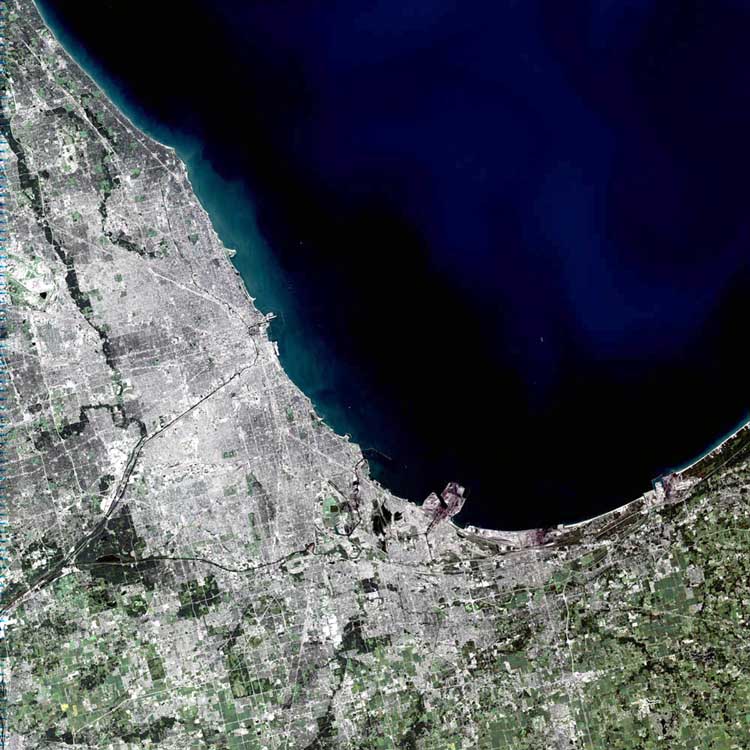

Geography and layout
Glendale Heights lies within the suburban ring west of the city of Chicago and is part of the broader DuPage County landscape. The village contains a mix of single-family neighborhoods, multi-family housing, and shopping areas arranged along arterial streets. Local open spaces include municipal parks and recreational fields; larger county forest preserves are accessible in the region and contribute to recreational opportunities. Land use patterns reflect mid-20th century suburban development interwoven with newer infill and commercial redevelopment.
History and development
The area that became Glendale Heights was largely rural and agricultural in the early 20th century. Following World War II, the expansion of the Chicago metropolitan area produced steady residential growth as former farmland was subdivided for housing. Residents and developers organized municipal services and elected local leaders, leading to incorporation in 1959. The name change from Glendale to Glendale Heights in 1960 emphasized the village's hilly pockets and helped distinguish it from other communities with similar names.
Demographics and community
The village is home to a mix of age groups, family types and cultural backgrounds typical of many Chicago-area suburbs. Household types range from single-family households to apartments and townhouses, and community life centers on schools, parks, places of worship and civic organizations. Local festivals, youth programs and volunteer groups support neighborhood ties and civic engagement.
Government, services and education
Glendale Heights operates with a village form of government: an elected board and a chief elected official (commonly titled mayor or village president) set policy while professional staff administer daily operations. The village provides public safety, public works, parks and recreation, and community development services. Education for residents is provided by several public school districts serving elementary and secondary students, together with nearby colleges and regional educational resources.
Transportation and economy
Residents and businesses in Glendale Heights are connected to the wider region by a network of arterial roads and nearby interstates that provide access to Chicago and other suburbs. Public transit options in the region include bus services and commuter rail stations located in adjacent communities, offering links to downtown Chicago. The local economy combines retail corridors, service businesses and light industrial or business park areas; many residents also commute to jobs throughout the metropolitan area.
Parks, recreation and planning
Parks, trails and recreational programs are important to village life. Municipal recreation departments typically operate community centers, youth sports leagues and seasonal events, while county forest preserves and regional trails offer outdoor recreation opportunities. Local planning efforts balance residential neighborhoods with commercial development and infrastructure improvement to support quality of life.
Notable facts and resources
- Incorporated: 1959; name changed to Glendale Heights in March 1960.
- 2010 population: 34,208 (U.S. census figure).
- Part of the Chicago metropolitan region and DuPage County governance framework.
For official information and community resources, see the municipal and county pages: Village of Glendale Heights, DuPage County. For context on the metropolitan area consult regional overviews: Chicago area overview. For demographic and census data consult federal and state data portals: Census and statistics.
Related articles
Author
AlegsaOnline.com Glendale Heights, Illinois: Suburban village in DuPage County Leandro Alegsa
URL: https://en.alegsaonline.com/art/39173