
Giuseppe Ungaretti: Italian modernist poet and master of concise verse
Giuseppe Ungaretti (1888–1970) was a leading Italian modernist poet, essayist and academic. His terse, image-driven poems—shaped by wartime experience—helped define 20th-century Italian hermetic poetry.
Overview
Giuseppe Ungaretti was an Italian poet, journalist, essayist and academic whose work played a central role in 20th-century Italian literature. Born in Alexandria, then part of the Khedivate of Egypt, he spent his life moving between Mediterranean and European cultural centres. Ungaretti is often identified with Italian modernism and was a major figure in the development of hermetic (ermetico) poetry: a style marked by compression, obscurity and concentrated imagery. Late in life he received the inaugural Neustadt International Prize for Literature.
Image gallery
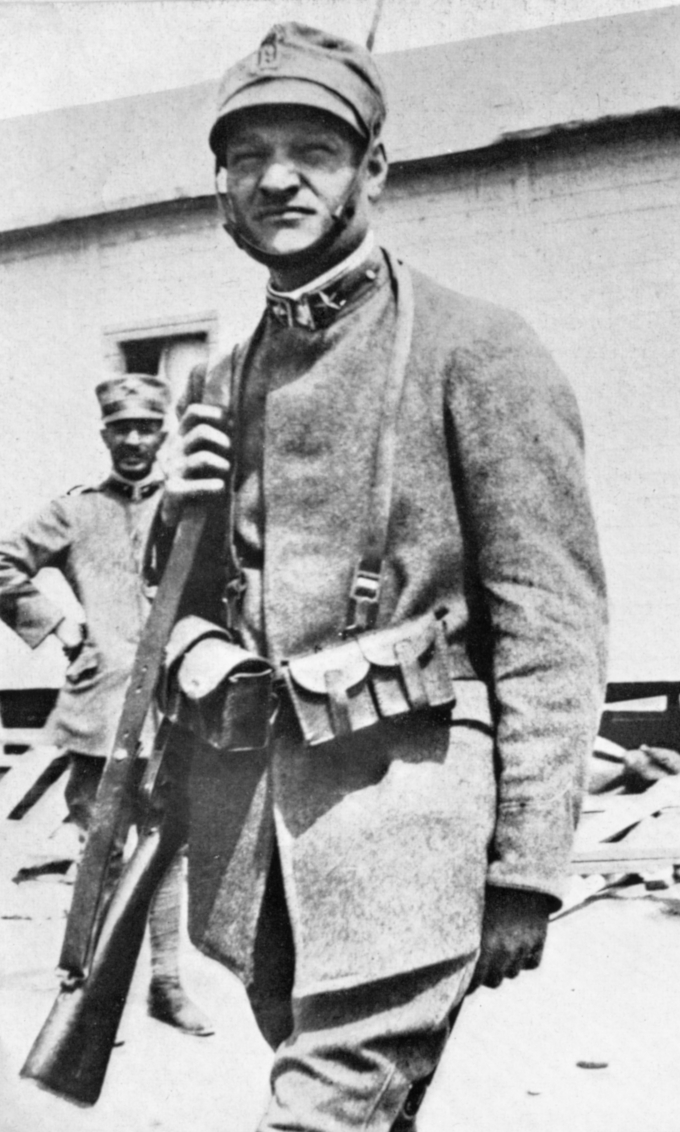
4 Images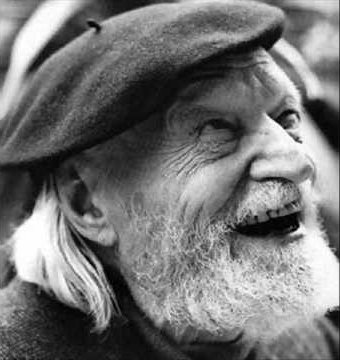


Life and career
Ungaretti trained in classical studies and lived for periods in Paris, where he encountered French symbolists and the avant-garde, and later in Italy where the experience of the First World War had a powerful influence on his writing. He served in the Italian army and wrote some of his most striking pieces against the backdrop of trench warfare. He also worked as a journalist and teacher, including spells abroad, and later held academic positions in Italy.
Poetic characteristics
Ungaretti is best known for a compact, pared-down style. His poems often use single-word lines, sharp caesuras and minimal punctuation to concentrate emotion and image. Common features include:
- Extreme brevity and condensed syntax.
- Vivid, elemental images drawn from the body, landscape and war.
- A tension between silence and utterance—what is left unsaid is as important as what is said.
- A search for meaning through memory, language and spiritual reflection.
Major works and themes
Collections of his poems gather short lyrics that turn private sensation into universal statement. Early wartime pieces circulated in smaller editions and were later collected under titles that brought together themes of loss, survival and surprise joy. Throughout his career Ungaretti balanced formal experimentation with subjects such as trauma, identity and faith. He also wrote criticism and essays on culture and literature.
Legacy and distinctions
Ungaretti influenced generations of Italian poets and is routinely taught in modern literature courses. His approach to compression and the musicality of single-word lines remains a reference point for writers seeking intensity and precision. Scholars place him among the key modernist voices of the twentieth century; critics often link him with the hermetic movement while recognizing his singular sensitivity to history and personal experience. For more on his role in modern poetry see modernist literature.
Notable facts
- He combined roles as poet, editor, critic and academic throughout his life.
- His wartime service furnished material for some of his most famous short lyrics.
- He received international recognition late in life, including the Neustadt Prize.
Related articles
Author
AlegsaOnline.com Giuseppe Ungaretti: Italian modernist poet and master of concise verse Leandro Alegsa
URL: https://en.alegsaonline.com/art/39032