
Gianpiero Combi: Italian goalkeeper and 1934 World Cup winner
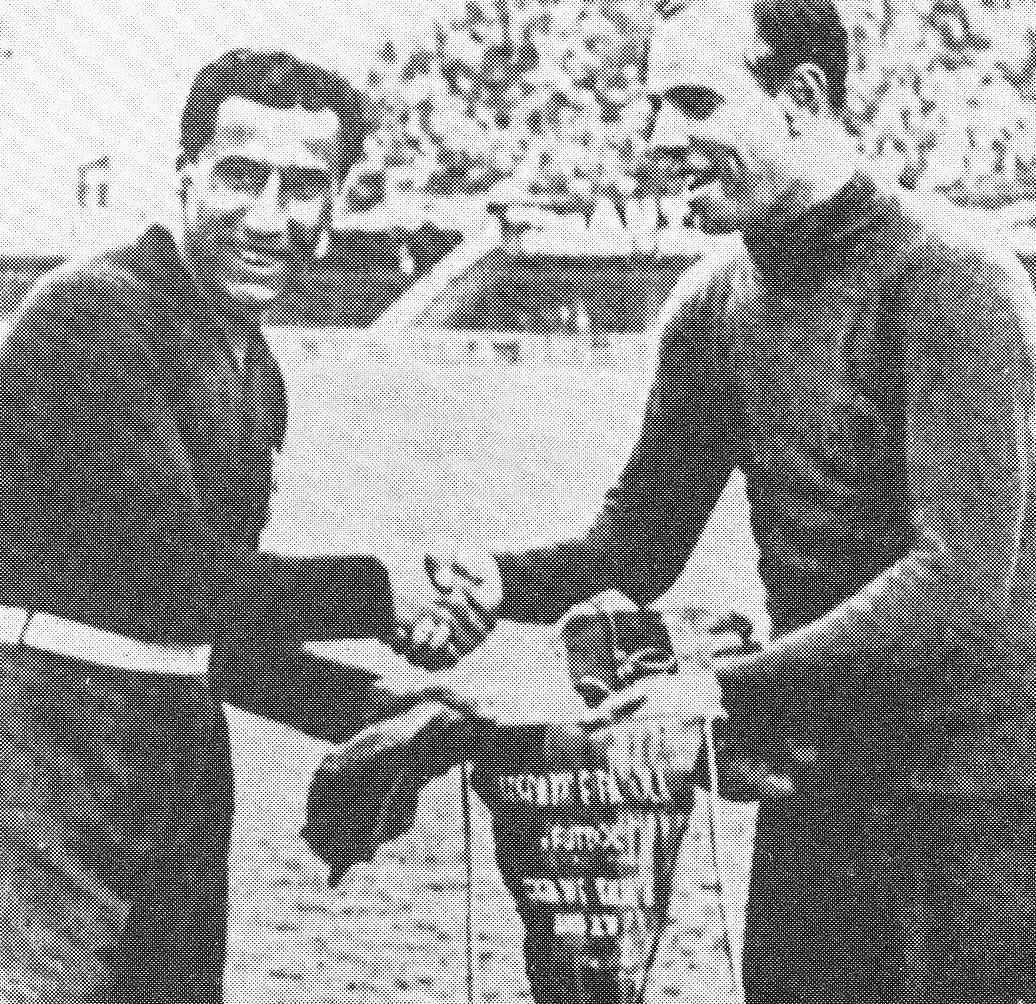
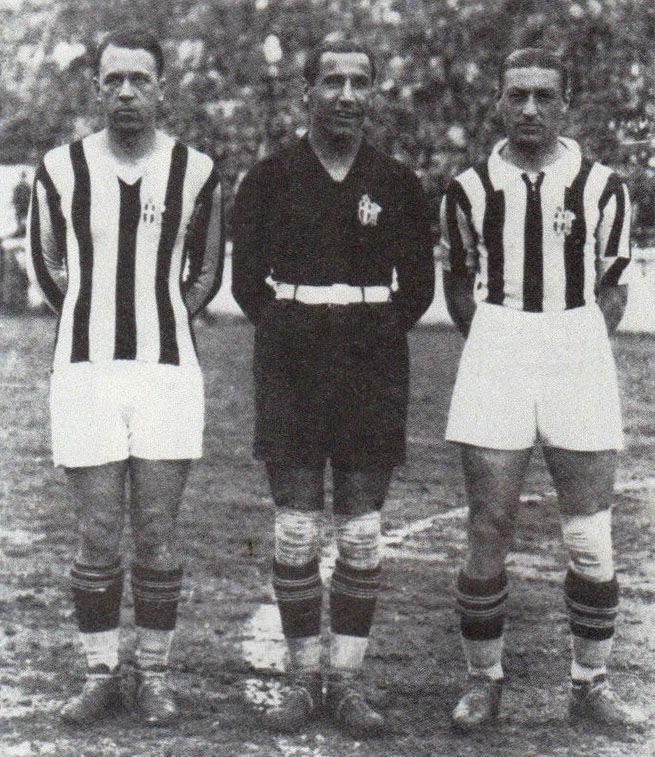
Gianpiero Combi (1902–1956), legendary Italian goalkeeper known for agility, calm leadership, positional intelligence, penalty-saving skill, long Juventus career and role in Italy's 1934 World Cup victory.
Overview
Gianpiero Combi (20 November 1902 – 12 August 1956) was an Italian football goalkeeper celebrated for his calm leadership, positional intelligence and consistency. Active in the interwar era, he established a reputation for reliability rather than flamboyant theatrics, earning admiration from teammates, opponents and later historians of the game. He is widely regarded as one of the greatest goalkeepers of his generation and a formative figure in the development of modern goalkeeping in Italy.
Image gallery
7 Images




Club career
Combi spent the principal part of his club career with Juventus, where he became an almost ever-present presence between the posts. Known for exceptional fitness and resilience, he made nearly 400 appearances for club and country combined and reportedly relinquished his starting position on only nine occasions out of a total of 398 matches. That level of continuity underlines both his physical durability and the trust placed in him by successive coaches during a period when squad rotation was far less common than in later decades.
International career and honours
At international level Combi represented the Italy national team and played a major part in the side that won the 1934 FIFA World Cup on home soil. His calm stewardship of the defence and experience were considered important factors in Italy's tournament success, which relied heavily on organisation and defensive solidity. His international appearances contributed to his standing as a leading goalkeeper of his era.
Playing style and strengths
Nicknamed "Fusetta" for his agility, Combi combined anticipation and strong positional sense with sound technique. He was particularly noted for timing his exits from goal to intercept crosses and to block dangerous deliveries into the penalty area, reducing the need for spectacular reactive saves. Contemporary observers highlighted his cool command of the penalty area, his aerial judgement and his capacity to organise defenders from the back.
Combi also earned a reputation as an expert at penalties. He often relied on psychological reading of the shooter and subtle pre-shot indications to narrow the likely direction of a kick. Rather than relying on dramatic dives alone, his approach emphasised study of opponents, quick decision-making and efficient movement.
Context and legacy
Playing in an era with limited protective equipment and less specialised coaching, Combi's accomplishments rested on fundamentals: positioning, concentration, timing and leadership. His steadiness made him a model for later generations of Italian keepers and coaches who emphasised tactical awareness and organisation. Histories of early 20th-century football frequently cite him among the important figures who helped define goalkeeping responsibilities beyond mere shot-stopping.
Later life and remembrance
After retiring from playing, Combi's reputation endured in club histories, national team narratives and retrospectives on the 1934 World Cup. He died in 1956, but remains a reference point in discussions of pre-war football and of the evolution of the goalkeeper's role. Combi is remembered not only for specific matches or saves, but for a sustained standard of performance that provided his teams with a reliable defensive foundation.
Further reading and resources
Related articles
Author
AlegsaOnline.com Gianpiero Combi: Italian goalkeeper and 1934 World Cup winner Leandro Alegsa
URL: https://en.alegsaonline.com/art/38703
Sources
- national-football-teams.com : "Giampiero Combi"
- rsssf.com : "Giampiero Combi - International Appearances"