
George Graham (footballer and manager)
Scottish former professional footballer and manager, noted for organizing defensively strong teams, major trophies with Arsenal including domestic and European honours, and a later payments controversy.
Overview
George Graham is a Scottish former professional footballer and football manager who became one of the most prominent figures in English club football in the late 20th century. After a solid playing career that included appearances for the Scotland national team, he moved into coaching and enjoyed significant success as a manager, most notably with a leading London club where his teams collected major domestic and European honours.
Image gallery
2 Images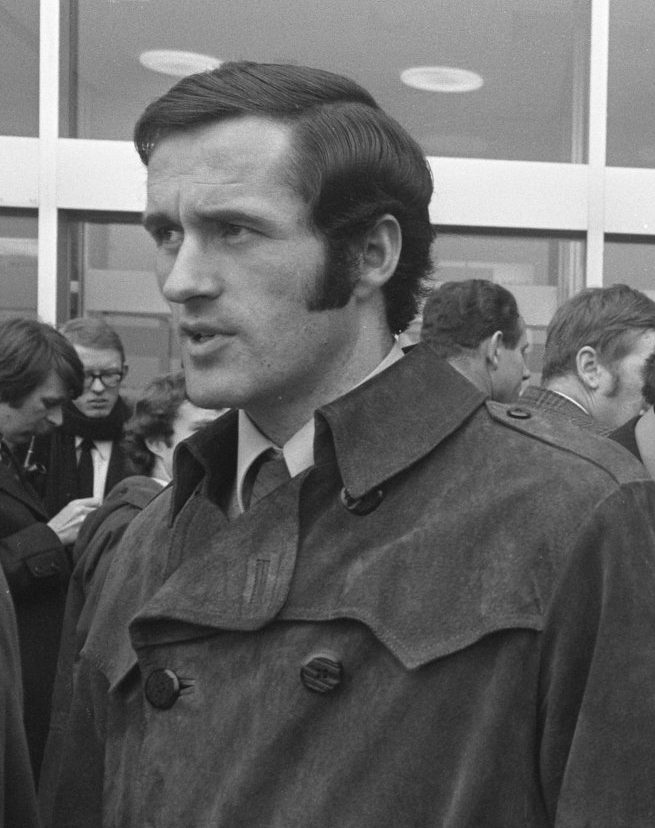

Playing career
Graham played professionally in both Scotland and England and won caps for the Scotland senior side. As a player he was respected for his industry, leadership and tactical awareness, qualities that helped him make the transition into coaching. His experience in several leagues and playing at international level provided a strong foundation for his later work as a manager.
Managerial career and achievements
Graham established himself as a highly effective manager through a pragmatic approach that produced consistent results. At his most successful club he won major domestic honours, including a national league title and cup competitions, and led the team to a European trophy. His managerial record also includes spells in charge of other prominent English clubs, where he achieved a number of strong league campaigns and cup runs.
Style and influence
George Graham's teams were usually well organised, difficult to break down and effective on set pieces. He emphasised defensive shape, discipline, and collective work-rate rather than flamboyant attacking play. That pragmatic philosophy influenced other coaches who valued structure and attention to detail and it left a lasting mark on the tactical debates within English football.
Controversy and later career
Graham's career was marred by a high-profile controversy when an inquiry concluded that he had accepted improper payments from an agent. The finding led to his dismissal from his most successful managerial post and to sanctions that affected his reputation. He continued to work in football after that episode, returning to management with other clubs and remaining a recognised, if sometimes divisive, figure in the game.
Legacy and notable facts
- Represented Scotland at senior international level during his playing career.
- Remembered for restoring competitive stability and defensive organisation to the teams he managed.
- Won major domestic honours and a European trophy while managing at the top level in England.
- Career illustrates both sporting success and the importance of governance and ethics in professional football.
Graham is often discussed in histories of the modern English game for the trophies his sides won, for the clear tactical identity he imposed on teams, and for the broader questions his career raises about decision-making and regulation in club football.
Related articles
Author
AlegsaOnline.com George Graham (footballer and manager) Leandro Alegsa
URL: https://en.alegsaonline.com/art/38224
Sources
- national-football-teams.com : "George Graham"