
Gennadiy Seleznyov
Russian politician Gennadiy Nikolayevich Seleznyov (1947–2015) served as Speaker of the State Duma from 1996 to 2003 and was a prominent figure in post‑Soviet parliamentary life.
Gennadiy Nikolayevich Seleznyov (Russian: Геннадий Николаевич Селезнёв; 6 November 1947 – 19 July 2015) was a Russian statesman best known for serving as Speaker of the State Duma, the lower house of the Russian parliament, from 1996 until 2003. He was widely recognized as an experienced parliamentary leader during a formative period of post‑Soviet Russian politics and is commonly described as a Russian politician.
Image gallery
2 Images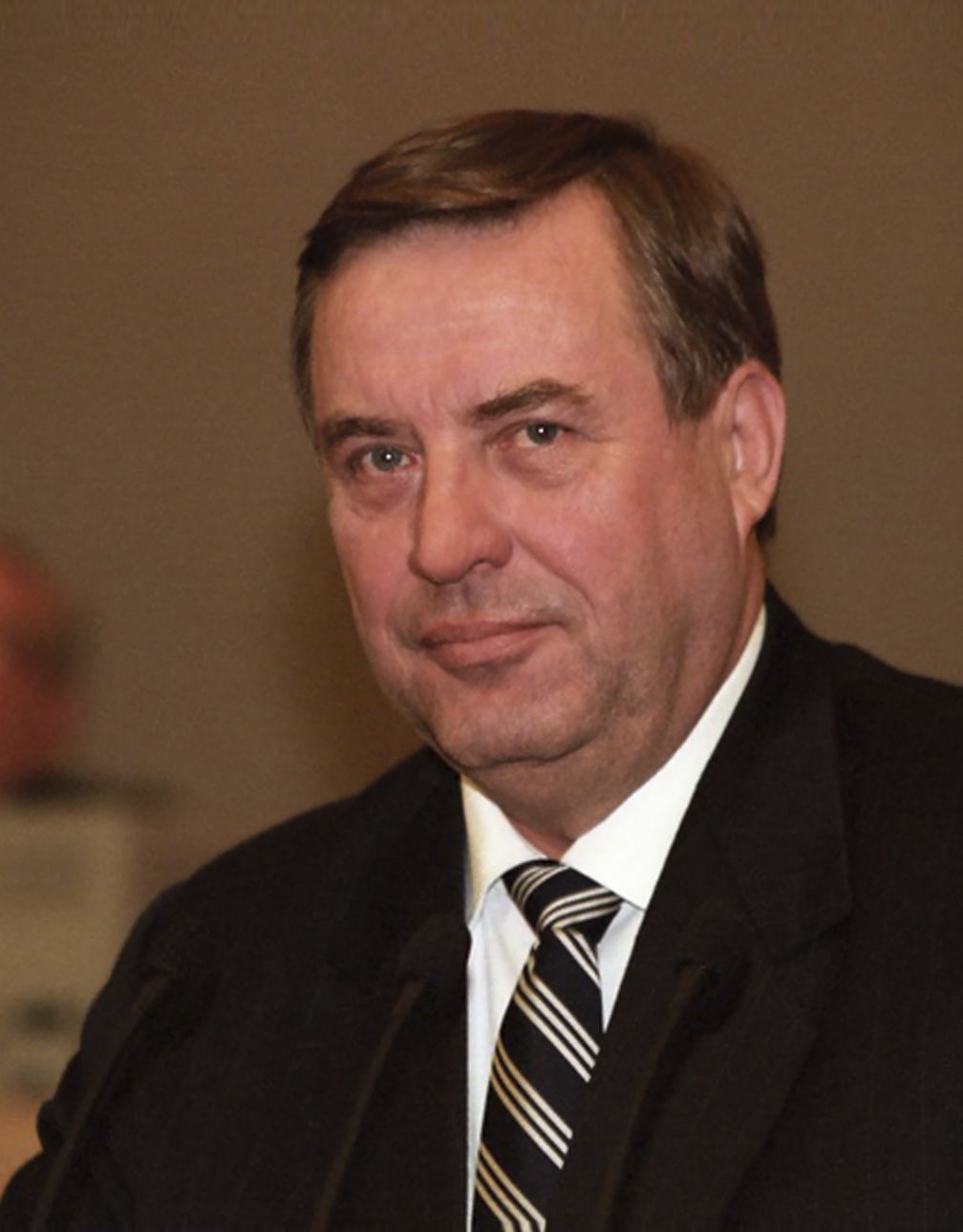
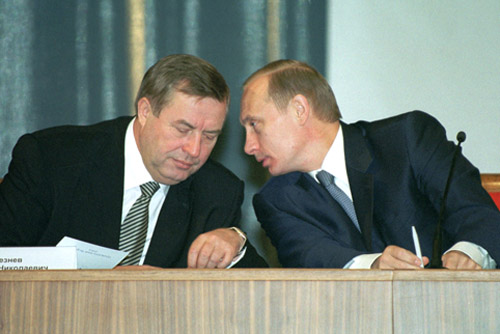
Career and role
As Speaker, Seleznyov presided over plenary sessions, represented the Duma in relations with other branches of government and foreign parliaments, and played a role in setting legislative agendas. His tenure covered several electoral cycles and debates on economic and political reforms as Russia continued to shape its post‑Soviet institutions. The office of Speaker combines procedural authority with public visibility, and Seleznyov occupied that position during important years for parliamentary practice.
Background and public life
Seleznyov's public life spanned the late Soviet period and the first decades of the Russian Federation. Like many prominent legislators of that era, he participated in the evolving party and factional landscape of the Duma and took part in negotiations and committee work that shaped lawmaking. He was known for a measured, institutional approach to the speaker's duties and for engaging with both domestic and international parliamentary contacts.
Death and legacy
Gennadiy Seleznyov died in Moscow on 19 July 2015 at the age of 67. Moscow was the city where he had carried out much of his political career. His period as Speaker is often cited in overviews of the Duma's development during the 1990s and early 2000s; scholars and journalists refer to his role when discussing the evolution of parliamentary procedure and political debate in post‑Soviet Russia.
Notable facts
- Served as Speaker of the State Duma from 1996 to 2003.
- Active in parliamentary life during Russia's transition from the Soviet system.
- Remembered for his administrative role in shaping Duma practice and legislative process.
For further reading about the State Duma and the office of Speaker, consult sources that cover Russian parliamentary history and the political developments of the 1990s and early 2000s.
Related articles
Author
AlegsaOnline.com Gennadiy Seleznyov Leandro Alegsa
URL: https://en.alegsaonline.com/art/38037
Sources
- news.google.com : "Ocala Star-Banner - Parliament speaker chosen"
- sputniknews.com : "Former Russian Duma Speaker Seleznyov Dies at Age 67"
- wikidata.org : wikidata.org/wiki/Q1756312
- isni.org : 0000 0003 8587 0912
- id.loc.gov : n84129174
- aleph.nkp.cz : jo2002077867
- viaf.org : 248994137
- worldcat.org : lccn-n84129174