
Gay icon: definition, traits, history, and notable examples
An overview of the concept of a gay icon: who qualifies, common characteristics, historical roots, notable examples, and how icons differ from activists or allies.
A gay icon is a public figure—living or deceased—who is admired, embraced, and celebrated by many in lesbian, gay, bisexual, transgender and queer communities. The admiration may arise from the person’s talent, fashion, courage, perceived vulnerability, or symbolic resistance to mainstream norms. A gay icon need not share the sexual orientation or gender identity of those who admire them: icons can be gay, straight, bisexual, asexual, cisgender, transgender, or gender non-conforming.
Image gallery
4 Images


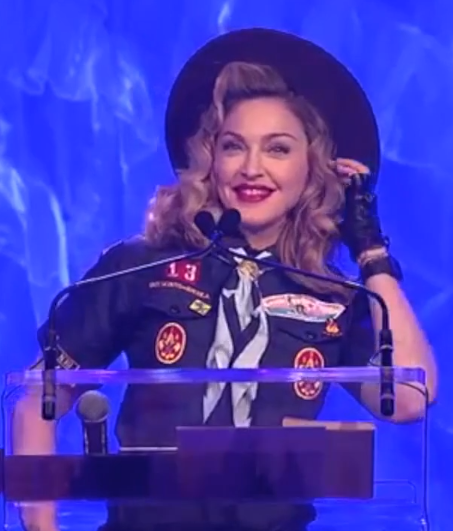
Typical characteristics
Some qualities commonly associated with gay icons include charisma, theatricality, and a distinctive aesthetic that can be campy, glamorous, or defiantly authentic. Icons often embody a mix of strengths and fragility that resonates emotionally: they may have survived hardship, rejected conventional expectations, or articulated experiences of otherness. Many gay icons also blur gender boundaries in appearance or persona, which can make them especially meaningful to communities that challenge rigid gender roles.
Historical roots and cultural role
Throughout history, figures who suffered for their sexuality or who represented transgressive beauty have been reclaimed as symbols of queer resilience. Religious martyrs and literary figures have been read as precursors to modern gay icons; for example, Saint Sebastian has been interpreted in later art as a homoerotic figure, while Oscar Wilde is often remembered for his wit and the persecution he faced. Entertainers and performers from earlier eras, such as Judy Garland, became touchstones for queer communities because their public lives and emotional performances echoed themes of longing and perseverance.
Modern examples and their appeal
Contemporary gay icons are frequently celebrities in music, film, television, and fashion whose work and persona attract devoted LGBTQ+ followings. Public figures cited as modern icons include Ellen DeGeneres, Beyoncé, Lady Gaga, Cher, Barbra Streisand, Liza Minnelli, and Freddie Mercury. These individuals may be admired for artistic innovation, outspoken support of LGBTQ+ rights, or simply for embodying a spirit of defiance and self-definition.
Why icons matter
Gay icons offer cultural touchstones that can validate identity, provide inspiration, and create a sense of shared history. For many queer people, seeing an admired public figure who resists norms or expresses nonconformity offers emotional support and a model for self-expression. Icons can also function as shorthand in communities and popular culture: references to a particular performer or character can signal belonging or communicate values quickly.
Distinctions and debates
Not every admired celebrity becomes a gay icon, and not all figures who are labeled icons actively advocate for LGBTQ+ causes. There are debates within and outside queer communities about what it means to claim someone as an icon—questions of appropriation, the commodification of queer culture, and the difference between genuine allyship and symbolic fandom often arise. Being a gay icon is a social status created by communities, not an objective title, and it can shift over time as cultural attitudes and priorities change.
- Examples of historical or literary icons: Saint Sebastian, Oscar Wilde, Judy Garland
- Examples of modern entertainment icons: Ellen DeGeneres, Beyoncé, Lady Gaga, Cher, Barbra Streisand, Liza Minnelli, Freddie Mercury
Author
AlegsaOnline.com Gay icon: definition, traits, history, and notable examples Leandro Alegsa
URL: https://en.alegsaonline.com/art/37783