
Garni: village, temple, and gorge in Kotayk Province, Armenia
Garni is a village in Kotayk Province, Armenia, famous for its 1st-century AD Hellenistic temple, dramatic Azat River gorge and basalt formations, and nearby medieval monasteries.
Garni (Armenian: Գառնի) is a village in the Kotayk region of Armenia. Situated on the rim of the Azat River gorge and east of the capital, it is best known for an exceptionally well-preserved classical temple erected in the ancient kingdom of Armenia. The village and its monuments form a compact cultural landscape visited by scholars, pilgrims and tourists.
Image gallery
10 Images




Setting and natural features
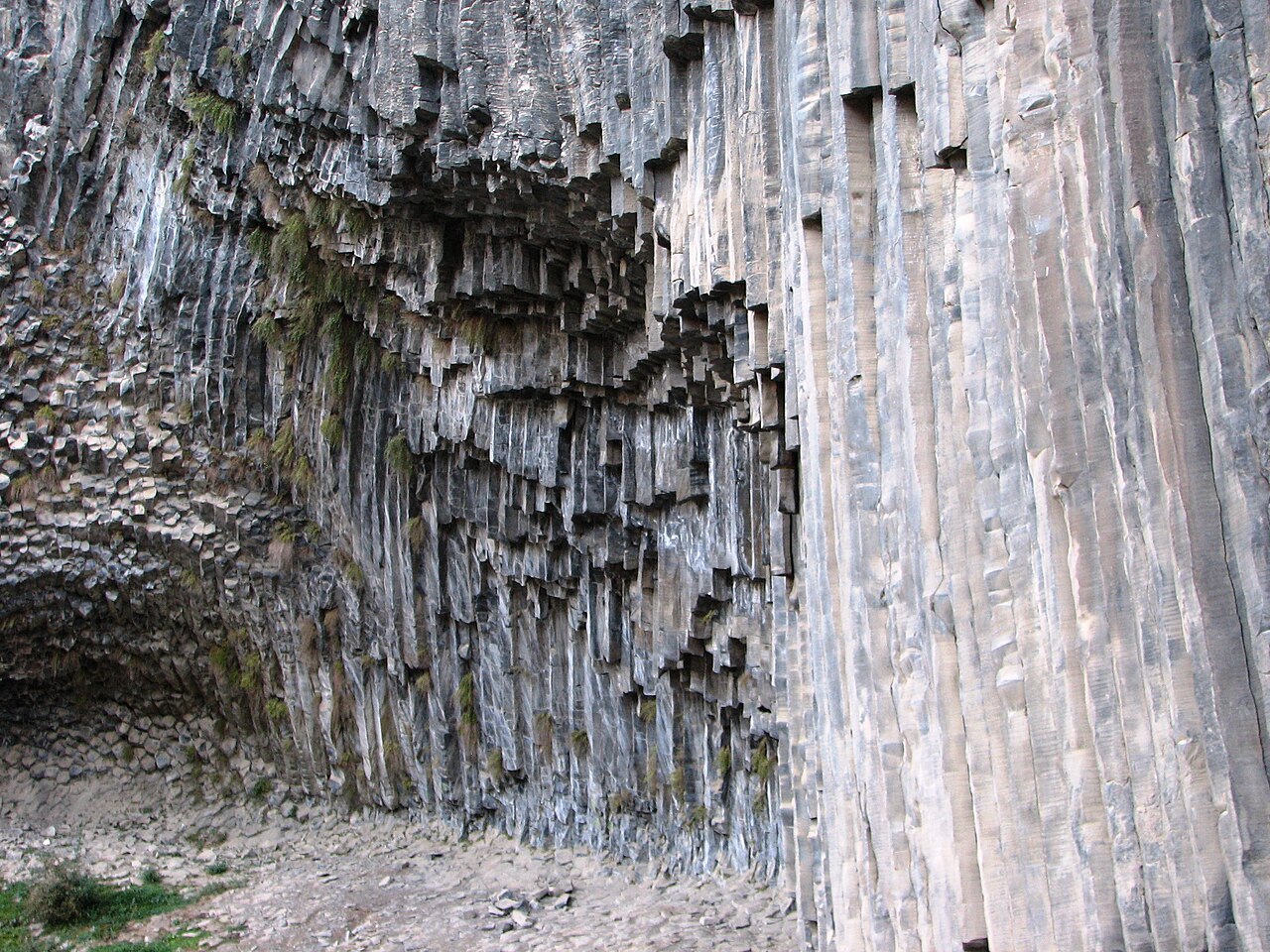
Garni occupies a dramatic spot where the river has cut deep cliffs into volcanic rock. The gorge exposes striking hexagonal basalt columns often called the "Symphony of the Stones," a scenic geological formation. The surrounding fields and terraces support grazing and small-scale agriculture, and several vantage points offer panoramic views of the temple above the river.
History and development
The temple at Garni dates to the early centuries of the common era and reflects Greco-Roman architectural influence adapted to local traditions. It is widely interpreted as a pre-Christian, possibly solar, sanctuary that served royal or civic functions. Over the centuries the site experienced earthquake damage and periods of neglect, and in the 20th century major conservation and reconstruction work stabilized the ruins and revealed additional ancient structures nearby.
Archaeological and architectural highlights
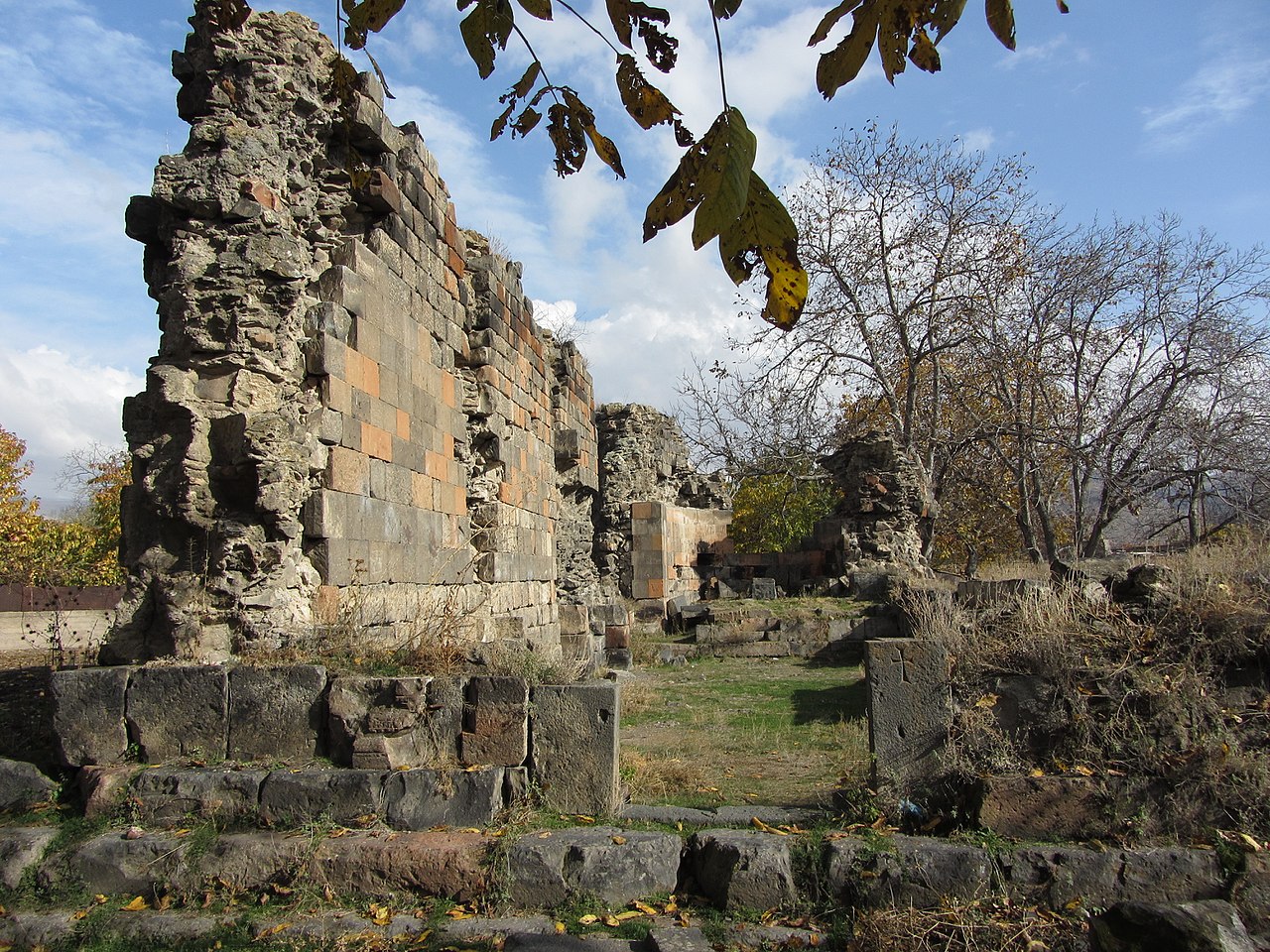
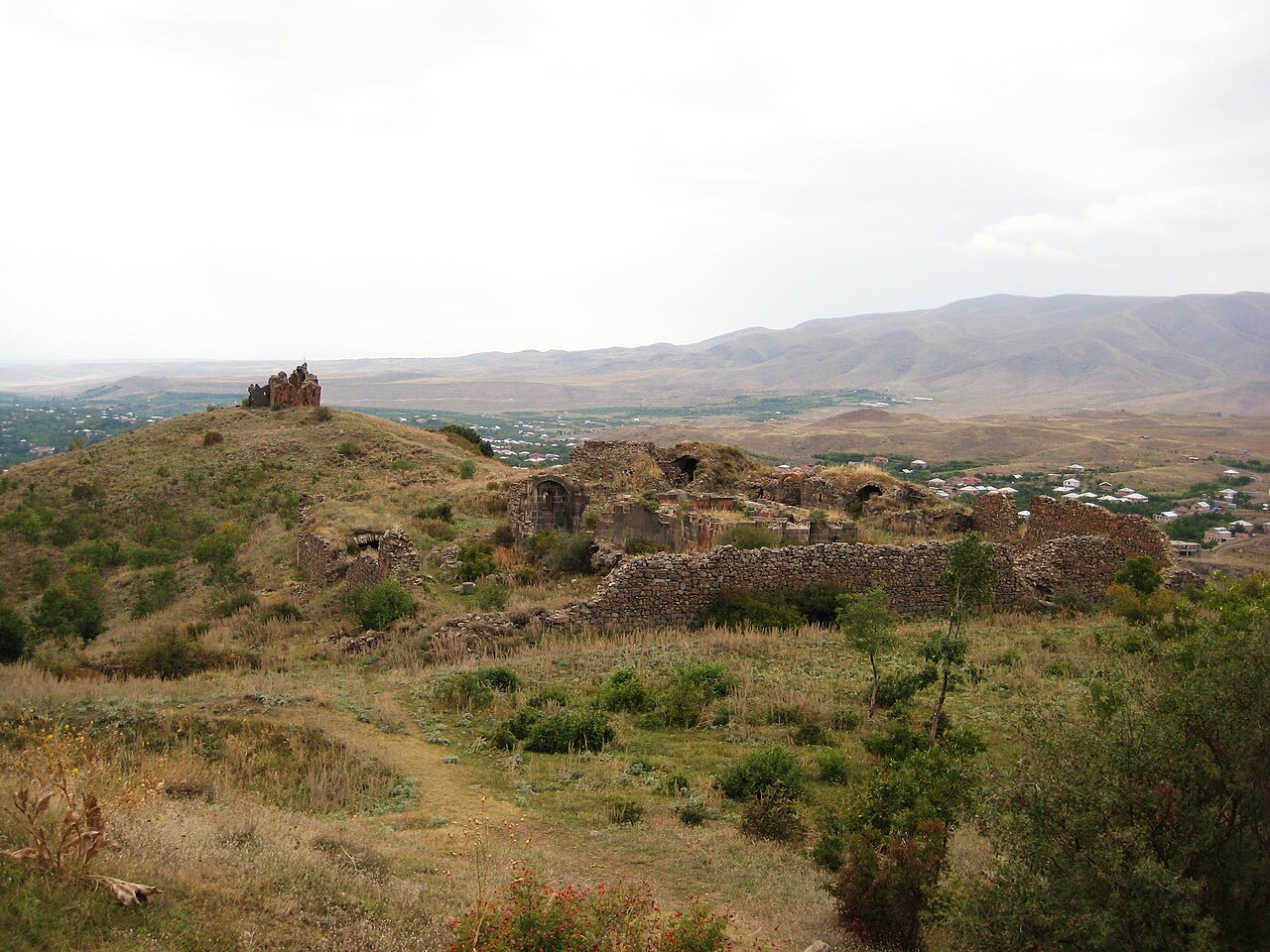
The principal monument is a colonnaded stone temple built on a raised platform; its classical proportions and carved capitals distinguish it from typical medieval Armenian churches. Excavations have uncovered foundations of baths, fortification walls and domestic remains that illustrate a lively settlement pattern. The nearby medieval cliff monastery of Geghard (a UNESCO World Heritage site) and other religious complexes place Garni in a wider spiritual and historical network.
Visiting and cultural importance
Today Garni is a focal point for heritage tourism: visitors combine sightseeing of the temple and gorge with local cuisine and handicrafts. Guided walks, photography of the basalt formations, and visits to small on-site museums are common activities. The site also hosts cultural events that celebrate traditional music, crafts and seasonal customs tied to rural Armenian life.
- Notable nearby sites include the temple complex and the Geghard monastery.
- Garni illustrates the meeting of classical architectural vocabulary and Armenian building techniques.
- For regional context see Kotayk Province, which contains diverse historical and natural attractions.
Related articles
Author
AlegsaOnline.com Garni: village, temple, and gorge in Kotayk Province, Armenia Leandro Alegsa
URL: https://en.alegsaonline.com/art/37603