
Garcilaso de la Vega — Spanish Renaissance poet and soldier
Garcilaso de la Vega (c.1501–1536) was a Spanish noble, soldier and poet who adapted Italian Renaissance verse to Castilian, shaping Spanish lyric with sonnets, eclogues and classical references.
Overview
Garcilaso de la Vega (Toledo, c. 1501–Le Muy, France, 1536) was a Spanish nobleman, courtier, soldier and one of the most influential poets of the Spanish Renaissance. He is best known for adapting Italian poetic models—especially Petrarchan and classical Latin forms—into Spanish, helping to renew lyric poetry in Castilian and to inaugurate a new, more polished idiom for love and pastoral verse.
Image gallery
3 Images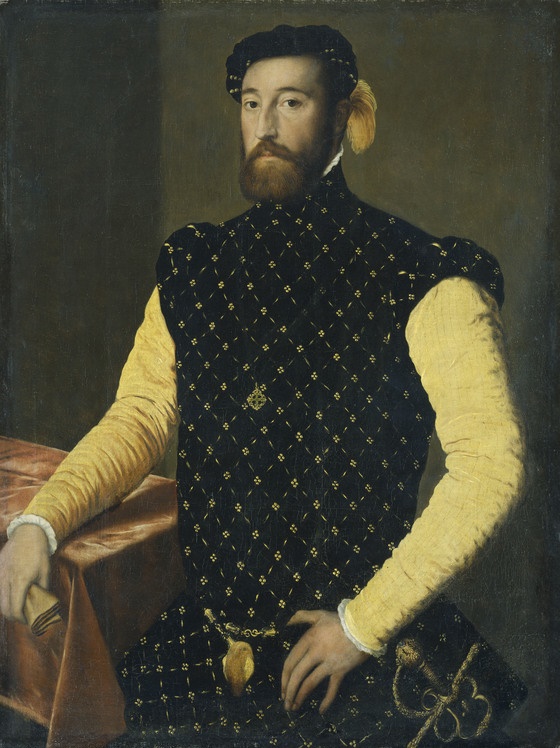


Life and career
Born into a noble family in Toledo, Garcilaso spent much of his life in courtly and military service. He served as a soldier in the imperial armies of Charles V and traveled in Italy and France, experiences that brought him into close contact with Italian humanism and poetic practice. He died in 1536 during military operations in southern France. His poetry circulated during his life but reached a wider readership after his death through early printed editions.
Forms, themes and style
Garcilaso introduced and adapted a range of Italian and classical forms to Spanish verse, combining them with a restrained, harmonious voice. Typical elements of his poetry include:
- Use of the sonnet and variations derived from Petrarch
- Pastoral eclogues drawing on Virgil and other classical models
- Elegiac tones and refined love lyrics
- Clear syntax, musical line, and natural imagery rather than excessive conceit
Major works and examples
Garcilaso left a relatively small but highly influential body of lyric poetry, including sonnets, songs (canciones), elegies and three eclogues. His eclogues adapt the pastoral mode to Spanish sensibilities; his sonnets model Petrarchan rhythm and rhetoric while seeking greater clarity and musicality in Castilian. Many lines and whole poems have become classics of Spanish literature, frequently anthologized and taught as exemplary Renaissance lyric.
Influence and legacy
Garcilaso's assimilation of Italian meters, images and classical references provided a template for Spanish poets of the sixteenth and seventeenth centuries. His measured style stood as an alternative to the later Baroque complexity of Gongora and Quevedo and influenced the development of Golden Age poetry. Generations of readers and writers have regarded him as a pivotal figure in the modernization of Spanish verse.
Distinctions and notable facts
Not to be confused with the later Andean writer known as Inca Garcilaso de la Vega, the Toledo-born Garcilaso is remembered primarily for his lyric craft rather than political achievements. For general biographical information and further reading see biographical notes on Garcilaso.
Related articles
Author
AlegsaOnline.com Garcilaso de la Vega — Spanish Renaissance poet and soldier Leandro Alegsa
URL: https://en.alegsaonline.com/art/37524