
Froidestrées — rural commune in Aisne, northern France
Froidestrées is a small rural commune in the Aisne department of northern France, historically part of Picardie and now within Hauts-de-France, noted for agricultural landscapes, local governance and regional heritage.
Froidestrées is a small commune in the north of France, administratively located in the Aisne department. Historically the locality belonged to the region known as Picardie; since the 2016 territorial reorganisation it is part of the larger Hauts-de-France region. The village typifies many small settlements of the area, combining a compact residential core with surrounding farmland and hedgerow-lined lanes.
Image gallery
2 Images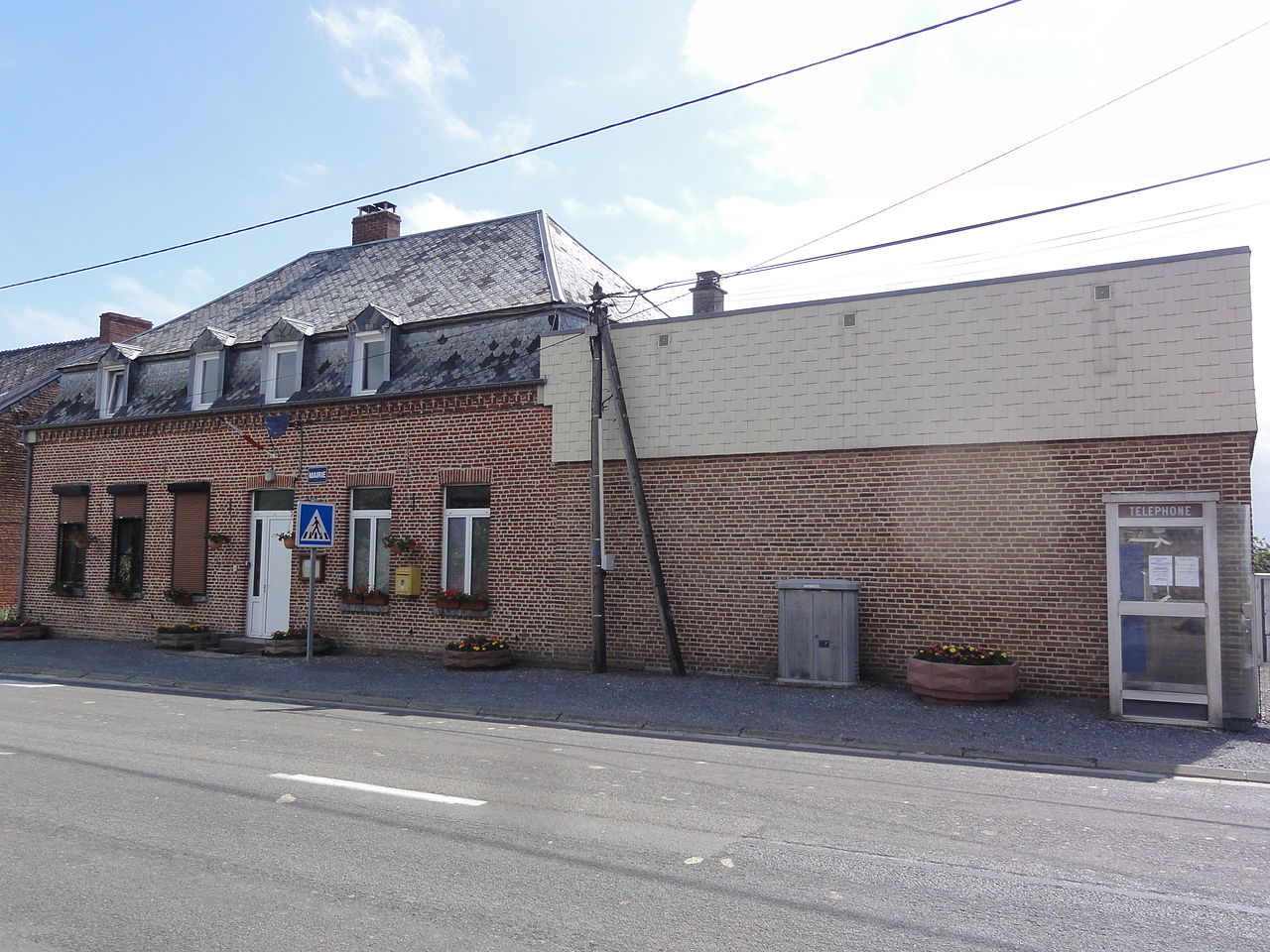

Geography and landscape
The commune sits in a gently rolling rural landscape typical of the department. Land use is largely agricultural—mixed cereal crops, grassland for livestock and small patches of woodland—interspersed with lanes connecting neighbouring villages. Local topography and soil types influence farming patterns and the appearance of field boundaries. The commune is linked by departmental roads to nearby towns and to regional transport hubs.
History and development
Like many villages in Aisne, Froidestrées has medieval origins as an agricultural settlement centred on parish life. Over centuries it experienced the demographic and economic shifts common to northern France, including rural depopulation in the 20th century and the impacts of wartime activity in the region. Architectural traces of history commonly include a parish church, traditional farmhouses and a communal war memorial.
Administration and community life
As an administrative unit within the department, the commune is governed by a municipal council and mayor responsible for local services, planning and community activities. Small communes often cooperate through intercommunal bodies to manage schools, waste services and cultural programmes. Local life centres on communal events, volunteer associations and seasonal agricultural rhythms.
Economy, heritage and access
- Agriculture remains the principal economic activity, supplemented by small local enterprises and services.
- Cultural heritage is visible in the village church, vernacular houses and commemorative monuments.
- Access to larger services and rail connections is via nearby towns; residents typically travel to departmental centres for administration, health and larger markets.
For official information, administrative notices and local initiatives consult departmental resources or the commune's own communications, which place Froidestrées within the wider historical and cultural fabric of northern France.
Related articles
Author
AlegsaOnline.com Froidestrées — rural commune in Aisne, northern France Leandro Alegsa
URL: https://en.alegsaonline.com/art/36798