
Foxborough, Massachusetts
Foxborough is a suburban town in Norfolk County, Massachusetts, known for Gillette Stadium, a mix of historic New England roots and contemporary retail and sports-driven economy.
Overview
Foxborough is a town in Norfolk County, Massachusetts, in the northeastern United States (USA). It is a suburban community with a small-town center and residential neighborhoods. The town recorded a population of 16,865 at the 2010 United States census and has since remained a bedroom community and regional destination for sports and retail visitors.
Image gallery
8 Images



History and development
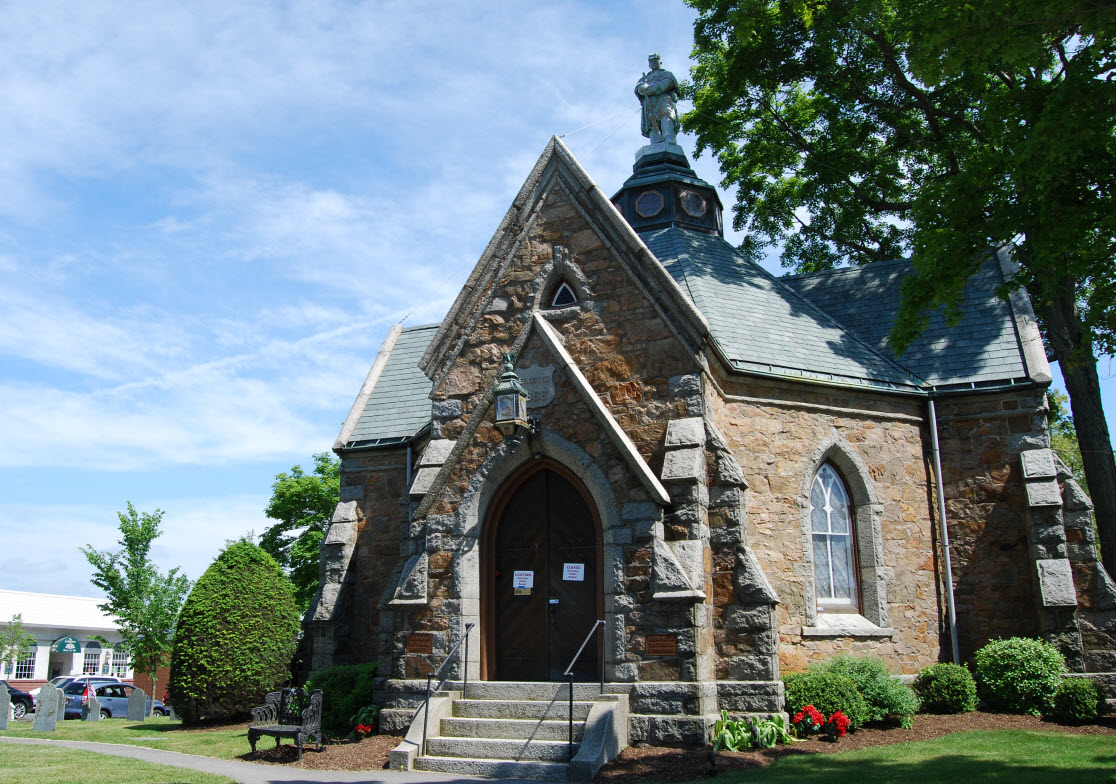
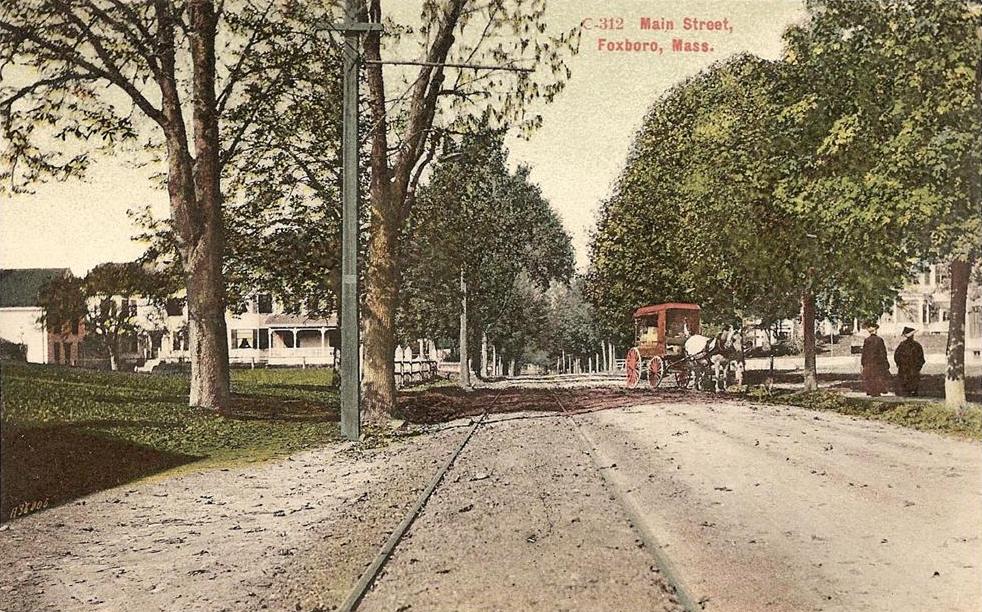
Originally settled in the early 18th century, Foxborough developed from an agricultural and small-manufacturing settlement into a more diversified town by the 19th and 20th centuries. It was incorporated in the late 18th century and was named for a prominent British statesman. Like many New England towns, its early economy included mills and shoe-making before shifting toward services and light industry.
Geography and transport
Foxborough lies in a transitioning zone between suburban Boston and the Providence metropolitan area. The town features a mix of historic village areas, newer subdivisions, and commercial corridors. Regional highways and road links give residents commuter access to larger cities while local streets preserve a compact town center around public buildings and parks.
Economy, attractions, and uses
Foxborough’s modern identity is shaped strongly by a major sports complex and associated retail and entertainment development, which attract visitors for professional football, soccer, concerts, and seasonal events. These attractions support hospitality, retail, and service jobs and bolster the local tax base. Beyond tourism, the town supports small businesses, light industry, and community services that meet residents’ everyday needs.
Government, education, and community life
The town is governed by locally elected officials and provides public services including a public school system, library, and recreation programs. Community life blends civic events, high school athletics, and year-round activities that reflect both Foxborough’s New England heritage and its contemporary suburban character.
Notable facts and points of interest
- Major sports and entertainment venue: A professional stadium and adjacent shopping and dining area are central to the town’s regional profile.
- Historic roots: Early settlement and 18th–19th century industries shaped the compact town center and surviving historic architecture.
- Commuter role: Many residents commute to jobs in larger nearby cities while enjoying local schools and services.
For more details on local government, services, and visitor information, consult town resources and regional planning materials published by municipal and state agencies.
Related articles
Author
AlegsaOnline.com Foxborough, Massachusetts Leandro Alegsa
URL: https://en.alegsaonline.com/art/35947