
Formula Ford: entry-level open-wheel single-seater racing series
Formula Ford is a longstanding entry-level open-wheel racing class emphasizing driver skill with relatively simple, low-cost cars. It has launched many professional drivers and exists in national variants worldwide.
Overview
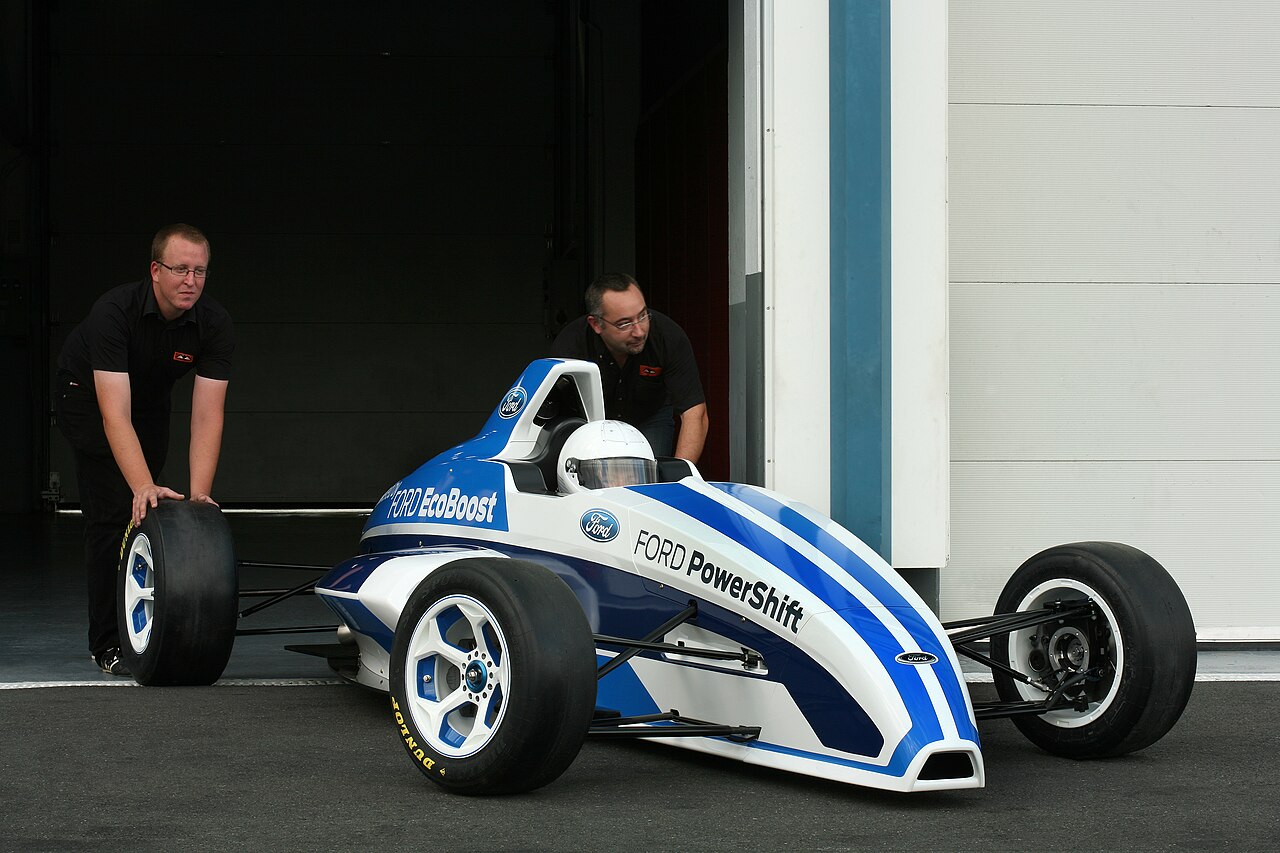
Formula Ford is a class of single-seater, open-wheel motor racing designed as a relatively affordable first step from karting into car-based competition. Cars are compact, lightweight and emphasize mechanical grip over aerodynamic downforce, making them suitable for developing racecraft, overtaking and close-wheel racing. Although karting remains the most common path for young drivers today, Formula Ford continues to provide a transitional platform in many countries for those moving into formula cars.
Image gallery
5 Images


Characteristics of the cars
Formula Ford machines share several broad features intended to keep costs and complexity down while promoting driver skill. Typical characteristics include:
- Single-seat, open-wheel chassis built by specialist constructors or small manufacturers.
- Simple suspension and mechanical components with restricted modifications to limit development spending.
- Engines that are production-based or sealed to ensure parity; historically these were Ford production units.
- An emphasis on set-up and handling rather than aerodynamic aids — many classes originally prohibited wings.
- Tightly controlled regulations and national championship structures to encourage close competition.
History and development
The category originated in the late 1960s as a low-cost alternative to more sophisticated formulae, attracting aspiring racers and privateer teams. Over the decades the specification has evolved — with different engine and chassis generations introduced by national organizers — but the foundational idea of affordable open-wheel racing has remained. Formula Ford fostered a thriving small-industry network of chassis builders, engine tuners and grassroots teams.
Competition format and use
Racing takes place in national and regional championships, club events and occasional international rounds. Race weekends often feature practice, qualifying and one or more sprint races. The series serves multiple purposes: a training ground for drivers learning racecraft, a venue for engineers and mechanics to gain experience, and a relatively accessible form of motorsport for amateur competitors.
Notable legacy and distinctions
Many professional drivers used Formula Ford as a stepping stone to higher formulae and professional careers, and the class is widely respected for its role in driver development. Distinct from karting and higher-tier single-seater categories, Formula Ford places more emphasis on car setup, tire management and strategic thinking while remaining more affordable than full-time professional series. For more on early driver pathways, see karting.
Although its prominence has fluctuated with changes in motorsport economics and the rise of other junior categories, Formula Ford remains an important part of the racing ladder in several countries and continues to attract competitors seeking a pure, tactile driving experience.
Related articles
Author
AlegsaOnline.com Formula Ford: entry-level open-wheel single-seater racing series Leandro Alegsa
URL: https://en.alegsaonline.com/art/35695