
Kart racing (karting)
Kart racing, or karting, is a form of open-wheel motorsport using small four-wheeled vehicles. It ranges from recreational rental karts to high-speed racing classes and serves as a common entry point to professional motorsport.
Kart racing, commonly called karting, is a form of open-wheel motorsport that uses small, purpose-built four-wheeled vehicles called karts or go-karts. Races take place on scaled-down circuits that may be permanent outdoor tracks or temporary layouts in large parking areas, and increasingly in indoor facilities for rental karting. Karting is widely recognised as an accessible entry point to higher levels of motorsport because it teaches vehicle control, racecraft, and mechanical setup on a relatively affordable scale.
Image gallery
10 Images






Characteristics and components
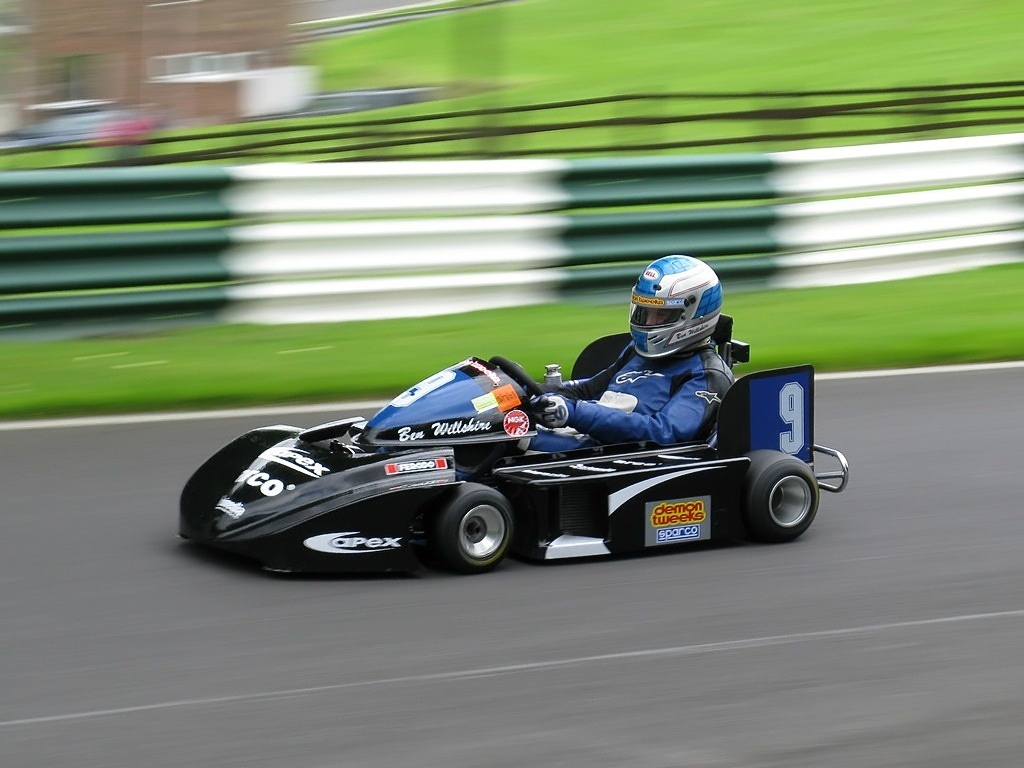
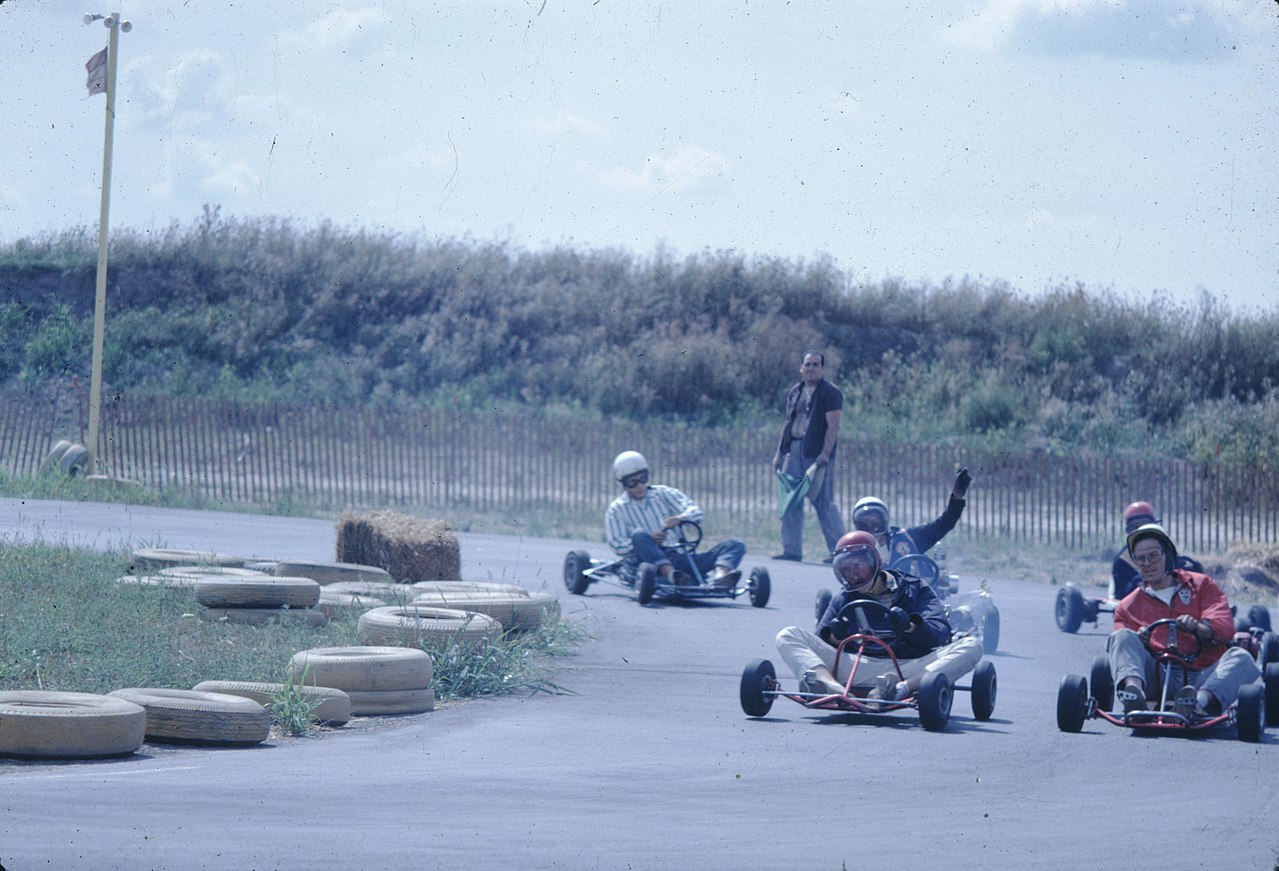
Typical karts have a simple tubular chassis without suspension, a steering system, brakes, and either a small petrol engine or an electric motor. Engines vary from single-cylinder two-stroke units to four-stroke and electric drivetrains in modern classes. Designs include direct-drive models (no gearbox) and gearbox or "shifter" karts that use a multi-speed transmission. Tires are small and soft to give grip on short circuits; braking is usually to the rear or all four wheels depending on the class.
Classes, formats and examples
- Recreational/rental karts: low-power, often speed-limited, intended for casual use and corporate events.
- Club and national classes: divided by engine displacement, age (cadet, junior, senior) and weight.
- Shifter karts and Superkarts: high-performance categories, with some Superkarts exceeding very high speeds on suitable circuits.
- Endurance karting: team events that emphasise reliability and strategy over multiple hours.
History and development
Karting began in the 1950s as an inexpensive way for enthusiasts to race and quickly grew into an organised sport with local clubs and national championships. Over decades it has professionalised, introducing formal classes, homologated equipment and international championships governed by bodies such as the international federation. Advances in engine technology, chassis design and safety equipment have expanded the sport’s appeal from grassroots recreation to elite competition.
Importance, pathways and safety
Karting is both a recreational activity and a developmental rung for drivers aiming for professional careers; many top-level racers began in karts. Competitions develop racecraft, technical feedback skills and teamwork. Safety measures include certified helmets, race suits, gloves and track procedures; circuits also use barriers and run-off areas appropriate to kart speeds. For more on the basic concept of open-wheel competition, see open-wheel motorsport, and for general information about karts and classes consult resources at karts and karting information.
Kart racing remains popular worldwide because it combines relatively low entry costs, close on-track competition and a direct connection between driver input and vehicle response. Whether for fun, fitness, or the first step toward professional motorsport, karting offers a compact, accessible form of racing with a rich amateur and professional community.
Questions and answers
Q: What is kart racing?
A: Kart racing is a type of open-wheel motor sport that uses small, open, four-wheeled vehicles called karts and is usually raced on scaled-down kart circuits.
Q: What are the types of karts used in kart racing?
A: Karts used in kart racing are either called karts, go-karts or gearbox/shifter karts depending on their design.
Q: What is the purpose of kart racing?
A: Kart racing is commonly seen as the stepping stone to the higher and more expensive ranks of motorsports.
Q: What is the maximum speed for some karts in kart racing?
A: Some karts used in kart racing known as Superkarts can reach speeds exceeding 160 miles per hour (260 km/h).
Q: What is the speed limit for go-karts used for fun by the general public?
A: The speed limit for go-karts used for fun by the general public may be limited to speeds of 15 miles per hour (24 km/h).
Q: What type of vehicles are used in kart racing?
A: Small, open, four-wheeled vehicles called karts, go-karts, or gearbox/shifter karts are used in kart racing.
Q: Where are karts usually raced in kart racing?
A: Karts are usually raced on scaled-down kart circuits in kart racing.
Related articles
Author
AlegsaOnline.com Kart racing (karting) Leandro Alegsa
URL: https://en.alegsaonline.com/art/52401
Sources
- parcferme.com : Superkart at Magny-Cours - 2007
- cikfia.com : 50 years of karting 1956-2006 - CIK-FIA
- haase.it : Example of a CIK-FIA homologation form
- cometkartsales.com : Technical picture of a racing chassis
- cikfia.com : CIK-FIA 2010 Technical Regulations 2.8