
Formula Three (Formula 3, F3): junior open-wheel racing category
Formula Three is a class of single-seater, open-wheel racing that serves as an intermediate development step for drivers aiming at higher series such as Formula Two and Formula One.
Formula Three, often written Formula 3 or F3, is a category of single-seat, open-wheel motorsport that occupies a long-established position in the ladder to top-level racing. The category is typified by purpose-built chassis, restricted aerodynamics and engines that are less powerful than those in Formula Two and Formula One. F3 events exist at national, regional and international levels and are known for close competition among emerging professional drivers.
Image gallery
10 Images

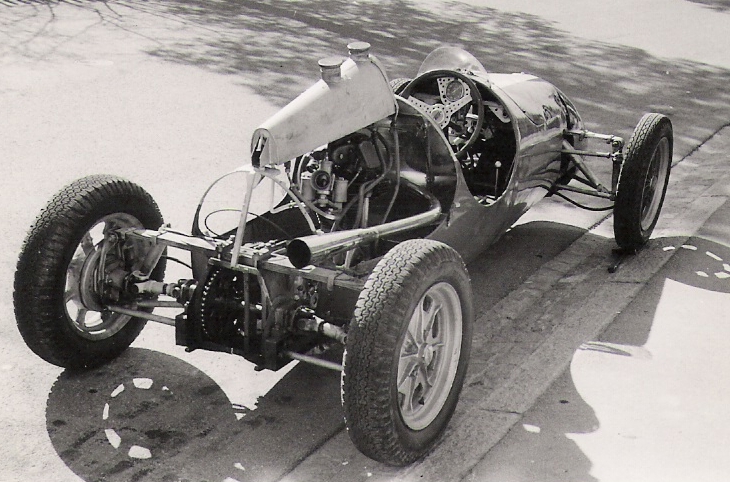


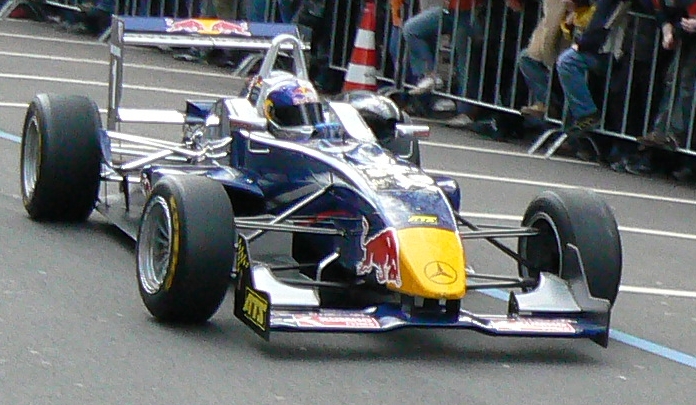
Characteristics and equipment
F3 cars are purpose-designed racing machines that balance performance with cost control. Many championships use single suppliers for chassis and tightly regulated engines to keep competition fair and budgets lower than in higher formulas. The cars generate aerodynamic downforce but with simpler wings and fewer systems than higher categories. Race weekends generally include practice, qualifying and more than one race, though exact formats vary by series.
History and development
The class dates back several decades and has evolved through many national and continental championships. In recent years governing bodies restructured feeder categories to streamline progression: for example, regional series and the former GP3 Series were consolidated into a single FIA Formula 3 Championship to provide a clearer path to F2 and F1. Classic national championships such as British and Italian F3 and marquee events like the Macau Grand Prix have long been important proving grounds for talent.
Formula Three's principal role is driver development. Young racers learn car control, racecraft and technical feedback in a high-stakes environment. Successful graduates frequently move on to Formula Two or sports-car and touring-car careers. Many drivers who later reached Formula One competed in F3 at some stage of their development.
Competitions and significance
- National and regional championships provide varied competition levels and tracks.
- International series attract top junior talent and scouts from higher categories.
- Regulated equipment and cost controls make the category accessible to teams and drivers aiming to progress.
For more on open-wheel categories and the role of junior formulas in motorsport development see open-wheel racing.
Author
AlegsaOnline.com Formula Three (Formula 3, F3): junior open-wheel racing category Leandro Alegsa
URL: https://en.alegsaonline.com/art/35694