
Forever, Michael (1975 album)
Fourth studio album by Michael Jackson, released in 1975 on Motown. A transitional soul-pop record and his final Motown release, produced by Holland, Davis, Perren and Sam Brown III.
Overview
Forever, Michael is the fourth solo studio album by Michael Jackson, issued by Motown Records in 1975. It marks the end of Jackson's early solo period with Motown and precedes his move to a new label and production team later in his career. The album presents a blend of soul and pop styles that were common to mid-1970s Motown releases and showcases Jackson's developing adult voice after a decade as a child star with his family group.
Image gallery
1 Image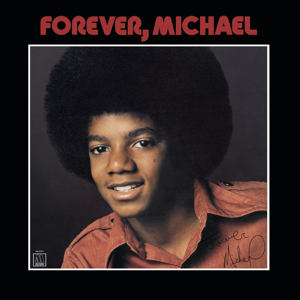
Production and contributors
The record involved multiple producers and arrangers rather than a single creative director. Among those credited are Edward Holland, Jr. and Brian Holland (members of the famed Holland–Dozier–Holland songwriting and production team), Hal Davis, Freddie Perren, and Sam Brown III. Their varied approaches give the album a mixture of ballads, midtempo numbers, and polished pop-soul arrangements typical of Motown's output at the time.
- Notable producers: Edward Holland Jr., Brian Holland, Hal Davis, Freddie Perren, Sam Brown III
- Styles: Soul, pop, balladry, orchestral touches
Tracks and musical character
Forever, Michael contains several songs that emphasize smooth vocal delivery and romantic themes. The material leans toward intimate ballads and accessible pop songs rather than the rawer R&B of earlier Jackson 5 singles. A few tracks from the album were later highlighted on compilations and received attention in different markets, illustrating the record’s role in preserving selections from Jackson’s Motown period.
Context and legacy
This album is often described as transitional: it captures an artist moving from child performer toward mature solo musician while still working within the Motown system. Commercial and critical responses at the time were modest compared with Jackson’s later global success, but the album remains an important document of his development. Songs from Forever, Michael have appeared on retrospectives of Jackson’s early solo work, helping listeners trace the evolution that led to his breakthrough in the 1980s.
Notable facts
- Released in 1975, it was Jackson’s last studio album for Motown.
- Production credits include members of Holland–Dozier–Holland as well as Motown staff producers.
- The album sits within the broader narrative of Jackson’s move from family group fame toward solo superstardom under different collaborators.
Related articles
Author
AlegsaOnline.com Forever, Michael (1975 album) Leandro Alegsa
URL: https://en.alegsaonline.com/art/35656