
Fly from Here (Yes album)
Fly from Here is the twentieth studio album by English progressive rock band Yes, released July 4, 2011. It features a multi-part title suite and marked the group's first studio release since 2001.
Overview
Fly from Here is the twentieth studio album by the English progressive rock band Yes, released on 4 July 2011. It was the band's first studio record since Magnification (2001) and reached number 30 on the UK Albums Chart and number 36 on the US Billboard 200. The album returned Yes to a more song-oriented approach while retaining extended arrangements and layered production.
Image gallery
3 Images

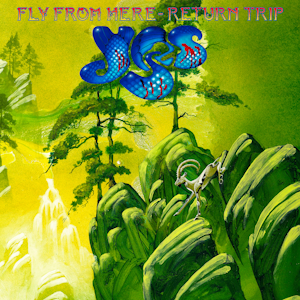
Composition and notable tracks
The central feature of the album is the multi-section title suite "Fly from Here", a long-form piece assembled from material developed with producer Trevor Horn. The suite is presented in several linked movements and serves as the backbone of the record. Surrounding the suite are shorter songs that blend melodic hooks with progressive textures, combining guitar-led passages, keyboard atmospheres and rhythmic dynamics.
Personnel and production
The lineup on the studio album included Benoît David (lead vocals), Chris Squire (bass), Steve Howe (guitars), Oliver Wakeman (keyboards) and Alan White (drums), with Trevor Horn acting as producer. Horn's involvement informed the album's sonic character and the use of layered vocal arrangements and studio effects. The record reflects collaboration between long-standing members and newer contributors to the group's sound.
Release, reception and legacy
Upon release Fly from Here drew mixed reviews: many critics praised the musicianship and the ambition of the title suite, while some reviewers found the material uneven or felt it relied on echoes of earlier eras. Commercially the album performed respectably for a veteran prog act, charting in the UK and United States. It is often noted as an example of Yes continuing to produce new studio work decades into their career and for reconnecting with producers and themes from the band's past.
Track highlights and context
- Title suite: the extended multi-part "Fly from Here" anchors the album.
- Shorter pieces: several concise songs balance the longer suite and showcase individual players.
- Historical link: the record marked a rare studio return and involved material associated with Yes's later-era collaborators.
The album occupies a transitional place in Yes's discography: it followed a long gap in studio output and set the stage for subsequent lineup and repertoire changes while reaffirming the band's commitment to large-scale compositions and studio craft.
Related articles
Author
AlegsaOnline.com Fly from Here (Yes album) Leandro Alegsa
URL: https://en.alegsaonline.com/art/35299
Sources
- pastemagazine.com : "Yes: Fly From Here"
- allmusic.com : "Yes, Fly from Here"
- allmusic.com : "Yes"
- gibsonguitar.es : "Yes to Release First Studio Album in 10 Years"