
Flag of Venezuela
National flag of Venezuela: tricolor of yellow, blue and red with eight white stars; origins in early 19th century, modern form legally modified in 2006; used in several official variants.

The Venezuelan flag is a horizontal tricolor of yellow, blue and red with a semicircle of white stars. Its basic colors and arrangement date to the independence era of the early 19th century, while the present legal version was adjusted in the 21st century.
Image gallery
2 Images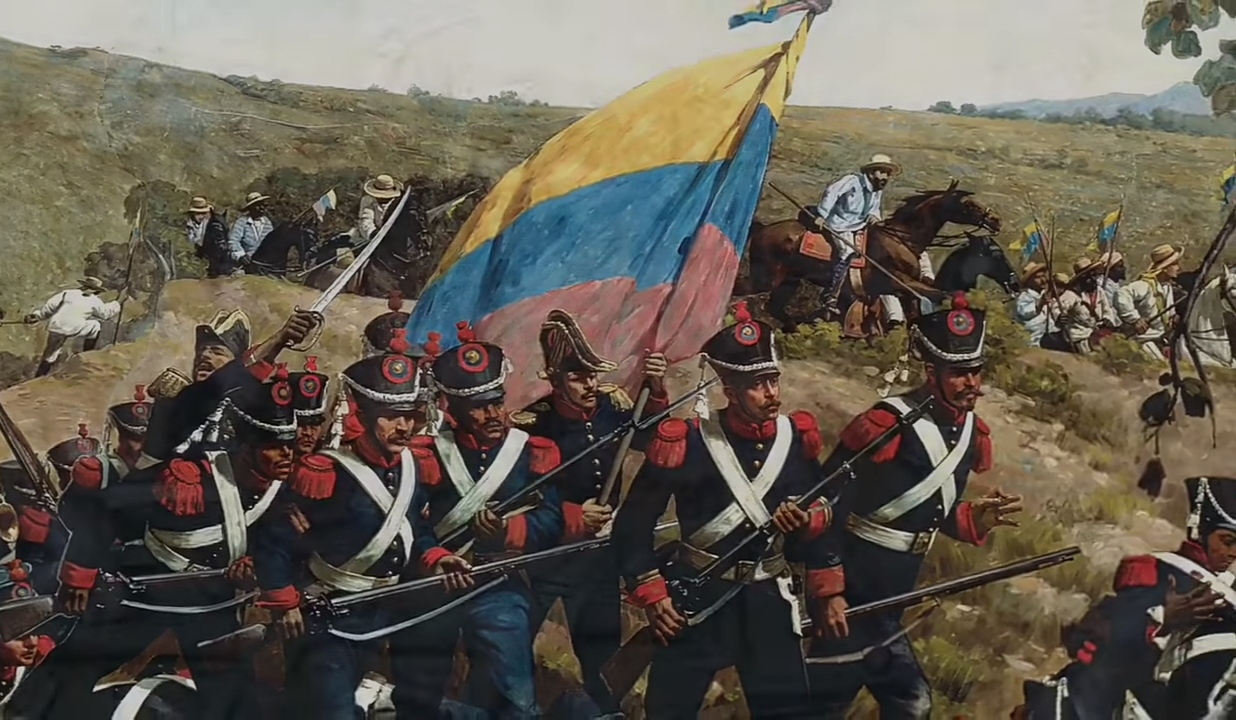

Design and symbolism
The flag consists of three equal horizontal bands: yellow (top), blue (middle) and red (bottom). A curved row of eight white five-pointed stars is centered in the blue band. The state (government) flag also carries a coat of arms in the upper hoist. Common interpretations link yellow to the nation's wealth and land, blue to the Caribbean Sea and independence from Spain, and red to the blood shed in the struggle for freedom.
History and development
The tricolor traces back to the independence movement led by figures such as Francisco de Miranda and Simón Bolívar. Variants and proportions evolved through the 19th and 20th centuries. In 2006 the official design was formally amended to include an eighth star; this change referenced earlier historical proposals and sparked public discussion at the time.
Variants and uses
- Civil flag: simple tricolor without coat of arms, used by citizens and private entities.
- State/government flag: tricolor with the national coat of arms in the canton, used by official institutions.
- Naval and military ensigns: follow similar elements with specific emblems or proportions.
Flags are displayed at government buildings, schools and on national holidays. Differences in use and display conventions are regulated by national law and protocol. The flag remains an important national symbol with historical and cultural significance.
Author
AlegsaOnline.com Flag of Venezuela Leandro Alegsa
URL: https://en.alegsaonline.com/art/34958