
Flag of Switzerland
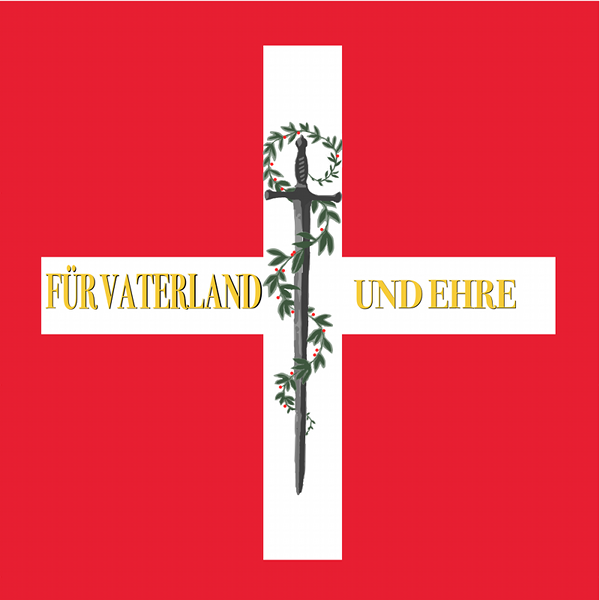
A white Swiss cross on a red field, standardized in 1889. The distinctive square flag is among the world’s oldest national emblems and inspired the Red Cross symbol.
Overview
The flag of Switzerland features a bold white cross centered on a red background and is one of the oldest national flags still in use. It is distinct for its generally square shape and for the broad, equilateral-style arms of the cross. The modern design was standardized in the late 19th century and remains a widely recognized national emblem.
Image gallery
10 Images







Design and proportions
The basic elements are simple: a red field and a white cross. The cross’s arms are drawn with significant width so that their length exceeds their thickness; the arms are commonly described as being one-sixth longer than their width. While the flag used by federal authorities is customarily square, commercial and civil flags are often produced in rectangular forms. In practice, common shapes follow familiar formats such as a 2:3 or 7:10 rectangle, though the precise relationship between the cross span and the flag’s edge has never been universally fixed.
History and origin
The white cross on red has roots in Switzerland’s medieval past as a field sign used by confederate forces and cantonal troops. Over centuries the emblem evolved from battlefield identification to a symbol of national unity. The present proportions and the formal adoption date reflect 19th-century efforts to standardize national insignia as the modern Swiss state developed, culminating in an official form established in 1889.
Use, symbolism, and notable associations
The flag serves both as a national ensign and as a symbol of neutrality, stability, and humanitarianism. Most famously, the reversal of its colors — a red cross on a white background — became the emblem of the International Red Cross, a deliberate homage to Swiss humanitarian traditions. The Swiss flag also appears on state buildings, military standards, passports, and commercial branding tied to Swiss origin.
Distinctions and practical notes
Switzerland’s flag is one of very few national flags rendered as a square; the other widely cited example is the flag of Vatican City. Design specifications address the relative size and shape of the cross’s arms and general proportions, and various documents present slightly different measurements for production. Practical guides and manufacturers often follow customary parameters or an established official specification, while others cite common ratio examples when making rectangular versions.
Further reading
For a deeper look at technical drawings, historical variations, and legal uses of the emblem, consult dedicated flag references and official Swiss publications. The flag’s simple geometry and long history make it both easy to reproduce and rich in symbolic meaning.
Related articles
Author
AlegsaOnline.com Flag of Switzerland Leandro Alegsa
URL: https://en.alegsaonline.com/art/34919