
Americana: cultural symbols, objects, and traditions of the United States
Americana refers to a body of cultural artifacts, symbols, music, places and traditions associated with the United States, studied by collectors, scholars, and popular media.
Americana denotes the collection of objects, symbols, practices and expressive forms that are widely associated with the United States. It spans tangible items such as roadside architecture, posters and household goods, and intangible elements like musical styles, regional stories and holiday customs. The term is used both by enthusiasts who collect artifacts and by scholars who study national identity and popular culture.
Image gallery
5 Images
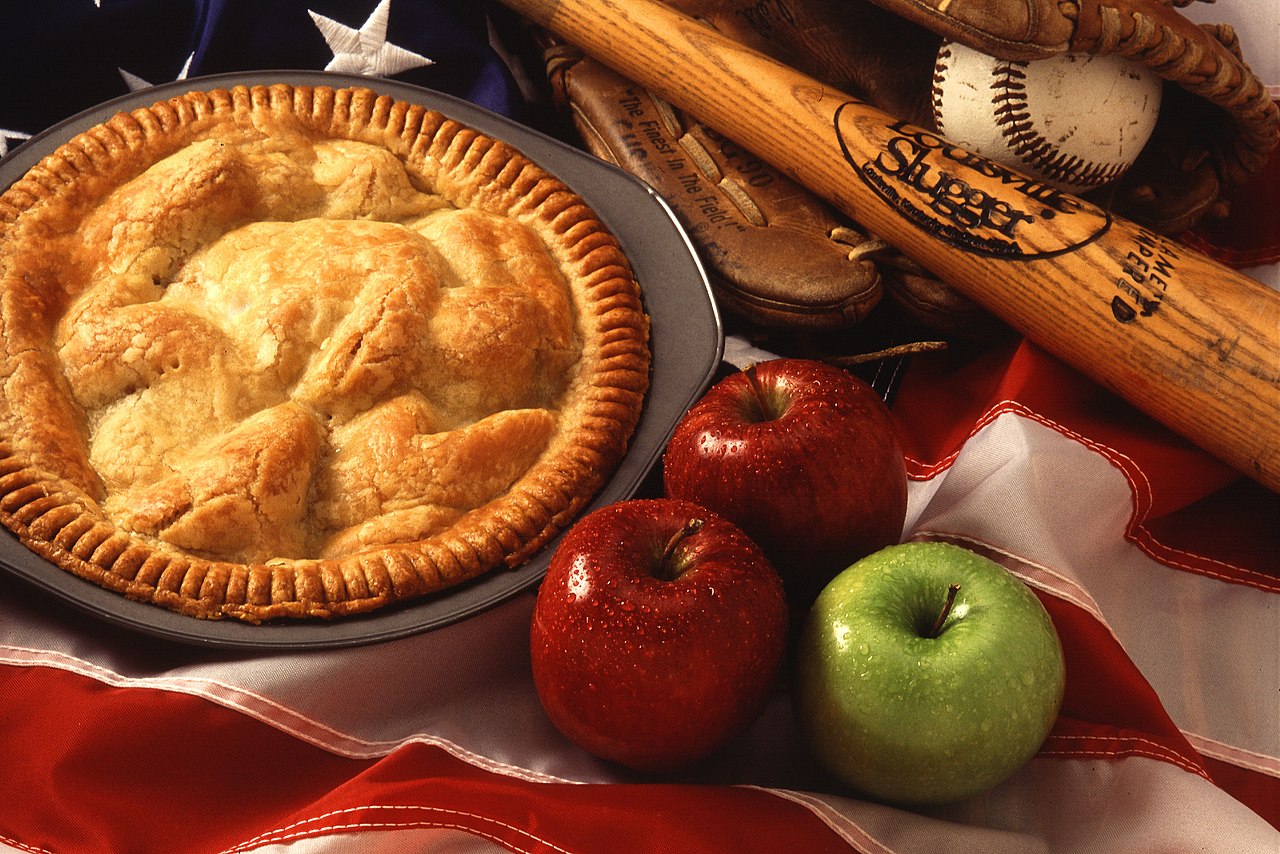


Characteristics and common motifs
Typical motifs of Americana include flags and patriotic imagery, diners and neon signs, mid‑century design, bluegrass and country music, historic small towns and highway culture. These elements are often linked by a tone of nostalgia: an aesthetic that emphasizes perceived simplicity, local flavor, or an imagined past. Yet Americana is not uniform — it reflects regional variety from coastal cities to interior plains.
Historical development
The idea of Americana developed over centuries as colonists, indigenous peoples, immigrants and later industrial and popular cultures produced objects and stories. Frontier myths, industrial advertising, radio and film in the 20th century helped crystallize many recognizable images. Museums, collectors and cultural historians have since cataloged and debated what belongs to this category and why. For scholarly context see work on national history and material culture studies, and resources that treat history as a lens on changing meanings.
Uses, examples and significance
Americana appears in many settings: museum exhibits, retro fashion, tourism, political branding and commercial design. Examples include musical traditions (folk, country, blues), roadside attractions like historic highways, vernacular architecture and holiday rituals. It also connects to place: landscapes, towns and regional cuisines, which scholars link to geography when analyzing how culture and place interact.
Distinctions and contemporary debates
Practitioners distinguish between vernacular or grassroots Americana — everyday objects and regional practices — and commercialized or stylized versions sold as nostalgic kitsch. Debates center on which stories are highlighted or marginalized: issues of race, class and regional inequality affect how Americana is remembered and marketed. Some revive traditions as heritage preservation; others critique romanticized narratives.
Today Americana remains a dynamic field: collectors, artists, musicians and scholars continually reinterpret its symbols. For introductions and resources on cultural expressions and national identity, consult general overviews of American culture and material history, and online guides to collecting and conservation. Additional resources are available via cultural institutions and thematic studies on culture and identity, and broader references about the United States and its regional traditions.
Further reading and entry points include surveys of music, design and folk practice, curated exhibitions and local historical societies. For practical guides and examples of regional material culture consult specialist collections and directories available through libraries and cultural organizations (history, geography, culture).
Author
AlegsaOnline.com Americana: cultural symbols, objects, and traditions of the United States Leandro Alegsa
URL: https://en.alegsaonline.com/art/3486