
Feroze Gandhi: Indian journalist, parliamentarian and political reformer
Overview of Feroze Gandhi (1912–1960), his work in journalism and Indian politics, notable actions in parliament, relationship with Indira Gandhi, and his public legacy.
Overview
Feroze Jehangir Ghandy (commonly known as Feroze Gandhi; 12 September 1912 – 8 September 1960) was an Indian journalist, freedom-era activist and parliamentarian. He became prominent after India gained independence as a member of the Indian National Congress and as a vocal legislator in the Lok Sabha. He is also remembered for his work in the press and for taking a hard line against corruption during the 1950s.
Image gallery
3 Images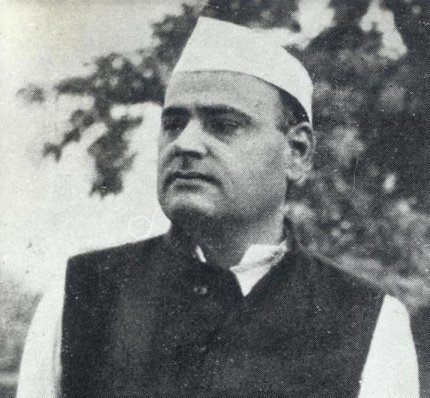

Early life and journalism
Born in Bombay (now Mumbai) into a Parsi family, Feroze was educated in India and developed an early interest in public affairs. He worked in journalism and was associated with newspapers that were connected to the Congress movement, notably editing and publishing work linked with The National Herald and Navjivan. His background in reporting and editing shaped his later parliamentary interventions and his insistence on transparency and accountability.
Political career and parliamentary work
After independence he entered electoral politics and served as a member of the lower house of parliament, the Lok Sabha. As an MP he earned a reputation for probing questions, using parliamentary privilege to raise matters of public interest, and defending civil liberties and press freedom. His questions and speeches often focused on financial propriety, administrative responsibility and the proper conduct of public officials. Official records and biographies note his active role in the legislature; see also the Lok Sabha resource here and additional biographical summaries such as the encyclopedia entry.
Notable actions and impact
Feroze Gandhi is widely credited with exposing a major financial scandal in the late 1950s that involved government investment decisions and private interests. His persistent inquiries in the House precipitated a public investigation and the resignation of a senior minister, underscoring the oversight role of parliament. This episode contributed to a public image of him as a legislator willing to challenge both allies and opponents in the interest of accountability.
Personal life and legacy
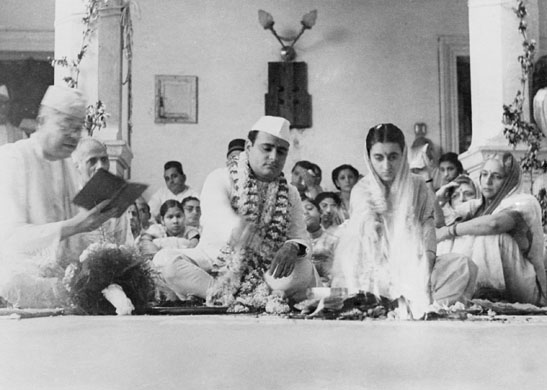
In 1942 he married Indira Nehru (later Indira Gandhi), who became a central political figure in India; biographical notices of Indira often refer to their marriage and family life—see Indira Gandhi for context. The couple had two sons. Feroze died in New Delhi in 1960; he was buried in Prayagraj (then Allahabad). His legacy is mixed: remembered by many for his integrity and for strengthening parliamentary scrutiny, while others focus on his role within a political dynasty that continued to shape Indian politics after his death.
Summary of roles
- Journalist and newspaper publisher/editor associated with The National Herald and Navjivan.
- Member of parliament in the Lok Sabha, known for incisive questions and anti-corruption efforts.
- Political figure linked to the Nehru–Gandhi family through marriage.
For a concise biographical overview consult the parliamentary and biographical resources linked above. His life illustrates the intersections of journalism, legislative oversight and the personal networks that shaped early independent India.
Questions and answers
Q: Who was Feroze Gandhi?
A: Feroze Gandhi was an Indian freedom fighter, politician, and journalist.
Q: What newspapers did Feroze Gandhi publish?
A: Feroze Gandhi published The National Herald and The Navjivan newspapers.
Q: When did Feroze Gandhi serve as a member of the provincial parliament?
A: Feroze Gandhi served as a member of the provincial parliament between 1950 and 1952.
Q: What was Feroze Gandhi's role in India's parliament?
A: Feroze Gandhi was a member of the Lok Sabha, the Lower House of India's parliament.
Q: When was Feroze Gandhi born and where?
A: Feroze Gandhi was born on September 12, 1912, in Mumbai, India.
Q: When did Feroze Gandhi pass away?
A: Feroze Gandhi passed away on September 8, 1960, in New Delhi, India.
Q: Who was Feroze Gandhi's spouse?
A: Feroze Gandhi's spouse was Indira Gandhi, and they were married from 1942 until his death in 1960.
Related articles
Author
AlegsaOnline.com Feroze Gandhi: Indian journalist, parliamentarian and political reformer Leandro Alegsa
URL: https://en.alegsaonline.com/art/34069