
Feldkirch, Vorarlberg: an overview of the Austrian medieval town
Feldkirch is a historic town in the Austrian state of Vorarlberg, noted for its medieval old town, Schattenburg castle, regional hospital and seven local districts. Population about 33,000 (2019).
Feldkirch is a town in the western Austrian state of Vorarlberg. It is known for a compact, well preserved medieval centre set above the Ill valley and for its role as a regional service and cultural hub. In 2019 the population was about 33,000, making Feldkirch the second-largest municipality in the state. The town name is German in origin and commonly translated as "field church."
Image gallery
10 Images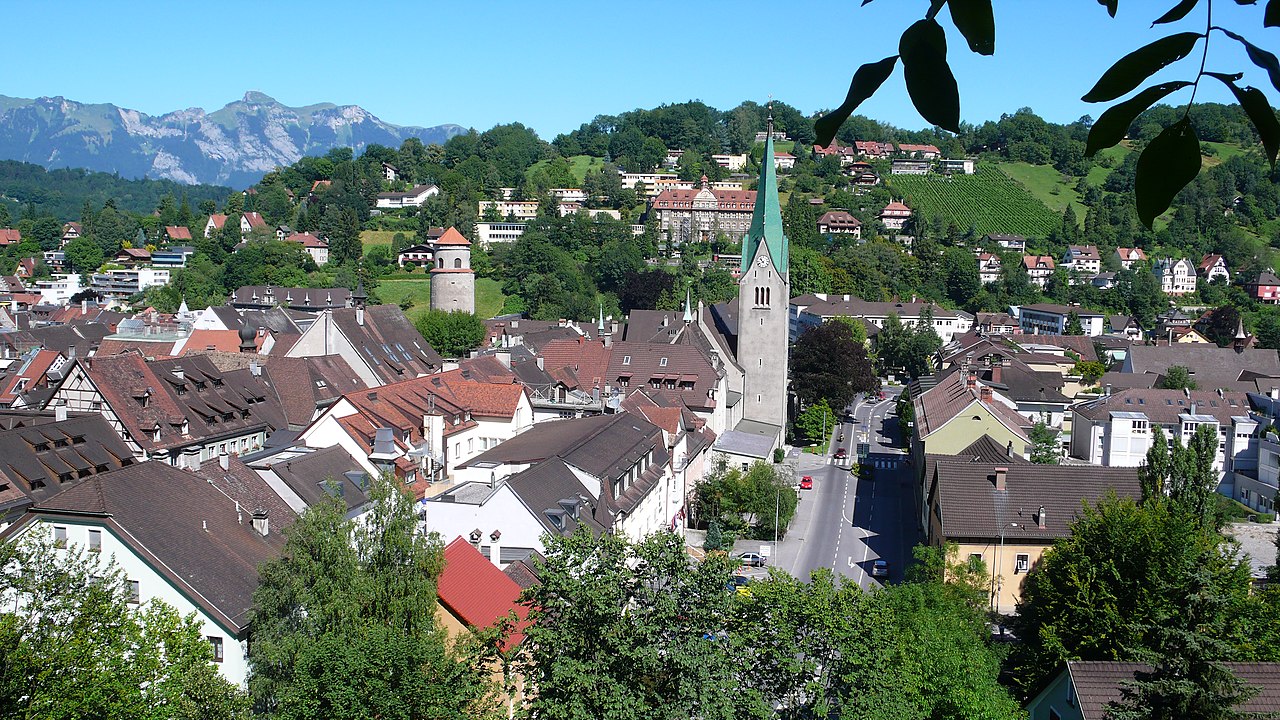



Characteristics and districts
The urban area comprises several neighbourhoods and settlements with a mix of historic buildings, residential suburbs and light commercial zones. Feldkirch is administratively divided into seven districts:
- Feldkirch (central)
- Tisis
- Tosters
- Nofels
- Levis
- Gisingen
- Altenstadt
These districts vary from the medieval core to more suburban and industrial zones; a full list appears in municipal documents and local guides (districts).
History and notable sites
Feldkirch grew up in the Middle Ages as a fortified market town. Its skyline is dominated by the Schattenburg, a hilltop castle that now accommodates exhibitions and civic functions, and by narrow streets, town walls and church towers that attract visitors interested in history and architecture. The town has long been influenced by its location near the borders with Liechtenstein and Switzerland.
Economy, services and transport
The town serves as a regional centre for commerce, health care and education. The largest hospital in the state is located in Feldkirch and provides specialized services for the surrounding region. Good road and rail connections link Feldkirch with neighbouring countries, supporting cross‑border commuting and tourism.
Importance and distinctions
Feldkirch combines heritage tourism with everyday regional functions: museums and preserved medieval fabric draw visitors, while hospitals, schools and businesses make it a local administrative and economic focal point. Its position at the crossroads of three countries gives it practical and cultural significance beyond its size.
Related articles
Author
AlegsaOnline.com Feldkirch, Vorarlberg: an overview of the Austrian medieval town Leandro Alegsa
URL: https://en.alegsaonline.com/art/33908