
Faroe Islands national football team: history, achievements and development
History, achievements and development of the Faroe Islands national football team: from FIFA/UEFA entry and famous upsets to player progress, domestic infrastructure and competitive records.
The national football team of the Faroe Islands represents the autonomous North Atlantic territory in international association football. The squad takes part in FIFA and UEFA competitions and is organised by the Faroe Islands Football Association.
Image gallery
3 Images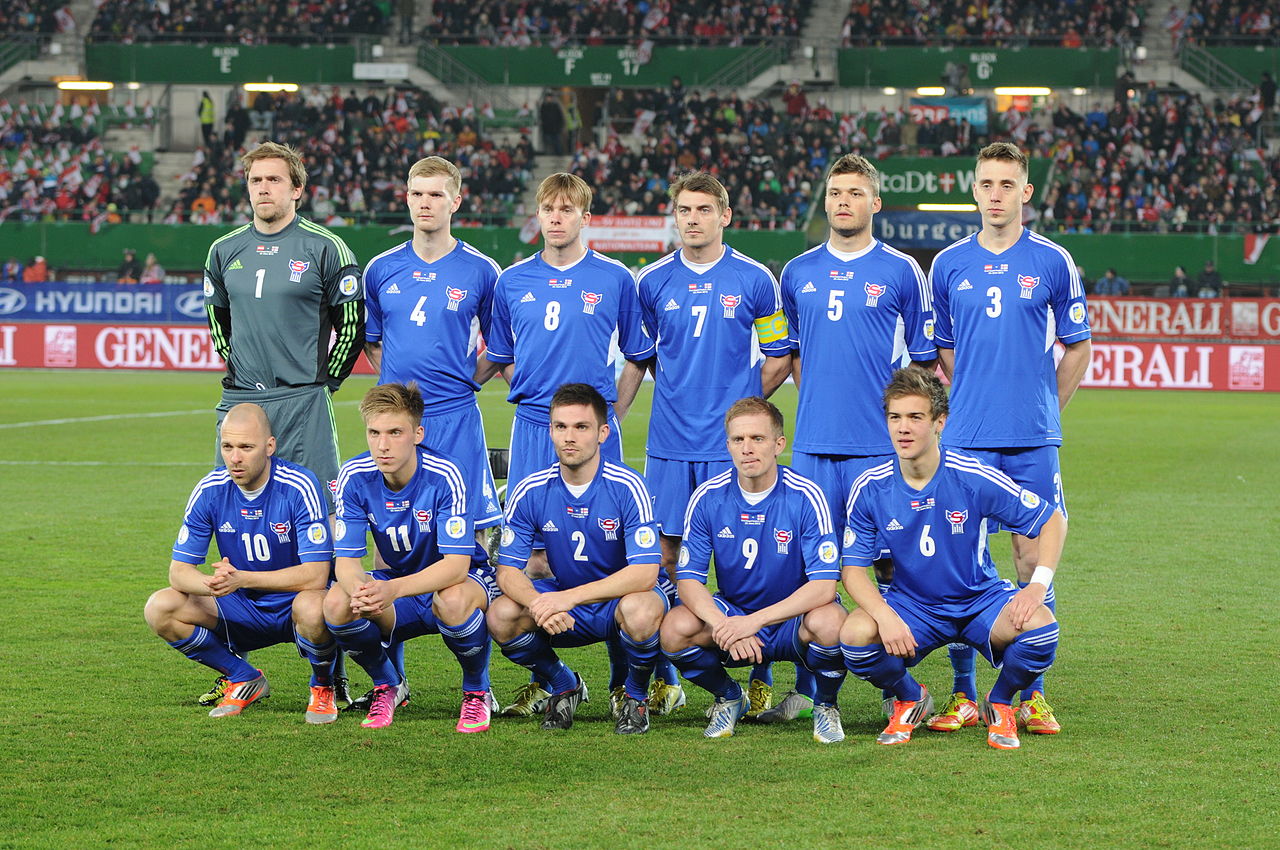


Overview
The team is governed by the Faroe Islands Football Association (Føroya Fótbóltssamband, FSF), established in the late 20th century. The FSF became a member of FIFA in 1988 and joined UEFA in 1990, allowing the Faroe Islands to enter qualification for FIFA World Cups and UEFA European Championships.
History and notable moments
The Faroe Islands moved from informal international fixtures to recognised competition after joining FIFA and UEFA. One of the earliest and most widely remembered results came in 1990, when the team recorded a 1–0 win against Austria in a European Championship qualifying match, an outcome that drew international attention.
Over the years the team has won occasional qualifying matches and produced surprising results against higher-ranked opponents. Many of the players were part-time or semi-professional in the team’s early decades, though the number of fully professional Faroese players has grown as domestic and foreign clubs have developed.
Home venue and colours
Home matches are usually played in the Faroe Islands’ national stadium in Tórshavn. The national colours reflect the Faroese flag, and kits commonly feature white, red and blue elements.
Players and staff
The squad typically includes players based in the domestic Faroese leagues and players employed abroad. The team has produced a number of widely recognised individuals; for example, goalkeeper Jens Martin Knudsen became famous for wearing a distinctive woollen hat in international matches.
Competitions and record
- The Faroe Islands compete in qualification rounds for the FIFA World Cup and the UEFA European Championship.
- The team has not yet qualified for a final tournament of the World Cup or the European Championship, but recorded notable wins and draws in qualification campaigns.
Recent developments
In recent years the national side has continued to develop its youth programmes and domestic infrastructure. Progress is measured not only by qualification results but also by improvements in player development, coaching, and club competition standards within the islands.
Related articles
Author
AlegsaOnline.com Faroe Islands national football team: history, achievements and development Leandro Alegsa
URL: https://en.alegsaonline.com/art/33566
Sources
- fifa.com : "The FIFA/Coca-Cola World Ranking"
- eloratings.net : "World Football Elo Ratings"