
Farnham, Essex
Farnham is a small rural village and civil parish in the Uttlesford district of Essex, England, recorded with 392 residents in the 2001 census and covering about 8 square miles.
Overview
Farnham is a village and civil parish in the district of Uttlesford, in the county of Essex, England. It is a small, predominantly rural community: the 2001 national census recorded 392 residents. The parish covers roughly eight square miles and is characterised by farmland, hedgerow-lined lanes and dispersed hamlets rather than a single dense settlement.
Image gallery
1 Image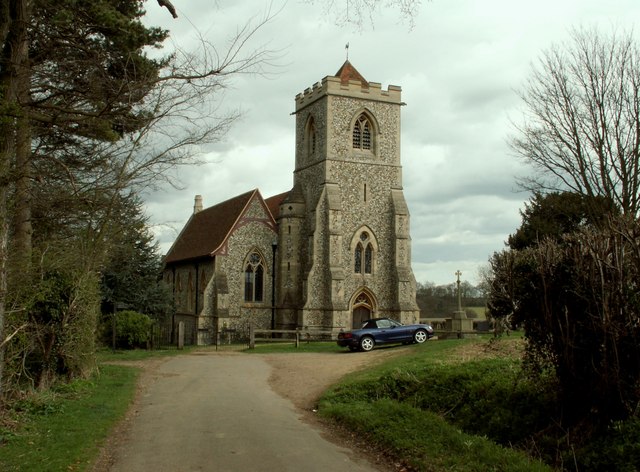
Characteristics
The village retains a low population density and a landscape shaped by agriculture and countryside management. Local buildings typically include historic dwellings, farm buildings and a parish church or meeting place that traditionally served as the social focal point. Amenities within the parish are limited, so residents commonly use nearby towns for shopping, health services and education.
History and name
The place-name Farnham is thought to derive from Old English elements meaning a homestead or enclosure associated with ferns. Like many English villages, its origins lie in the medieval parish and manorial systems; over centuries land use evolved from subsistence and mixed farming to more modern agricultural practices.
Governance and community
Farnham is administered at the local level by a parish council and forms part of the wider Uttlesford district and Essex county authorities. Community life often centres on village events, parish meetings and local conservation initiatives aimed at protecting landscape character and historic buildings.
Features and distinctions
- Rural character with agricultural land use and country lanes
- Small population and low housing density
- Part of the Uttlesford district administrative area
- Not to be confused with other places named Farnham elsewhere in England
For further details about local services, planning and community activities consult district or county resources provided by Uttlesford and Essex authorities.
Related articles
Author
AlegsaOnline.com Farnham, Essex Leandro Alegsa
URL: https://en.alegsaonline.com/art/33562
Sources
- ons.gov.uk : "Local statistics - Office for National Statistics"
- recordinguttlesfordhistory.org.uk : "Local History of Farnham Village in Essex"