
Fântânele, Suceava
Fântânele is a rural commune in Suceava County, northeastern Romania. This article summarizes its location, administrative role, landscape, economy, history and cultural features.
Fântânele is a rural commune in Suceava County, in the northeastern part of Romania. As an administrative unit it functions at the local level typical of Romanian communes: providing basic public services, local governance and representing a cluster of village settlements rather than an urban centre. The name Fântânele is shared by several localities in Romania; this article refers specifically to the commune within Suceava County.
Image gallery
9 Images





Location and administration
The commune lies in Suceava County, part of the broader historical and geographical area of northeastern Romania. In Romanian administration a commune usually comprises one or more villages and is governed by a mayor and local council elected by residents. Fântânele serves as a local focal point for nearby hamlets and rural roads that connect to larger market towns in the county.
Geography and economy
The landscape around Fântânele is characteristic of Suceava's mix of rolling hills, agricultural fields and patches of forest. Local economic activity is predominantly agricultural: small-scale crop cultivation, orchards and livestock; forestry and seasonal work supplement household incomes. Many families combine farming with commuting to nearby towns for additional employment.
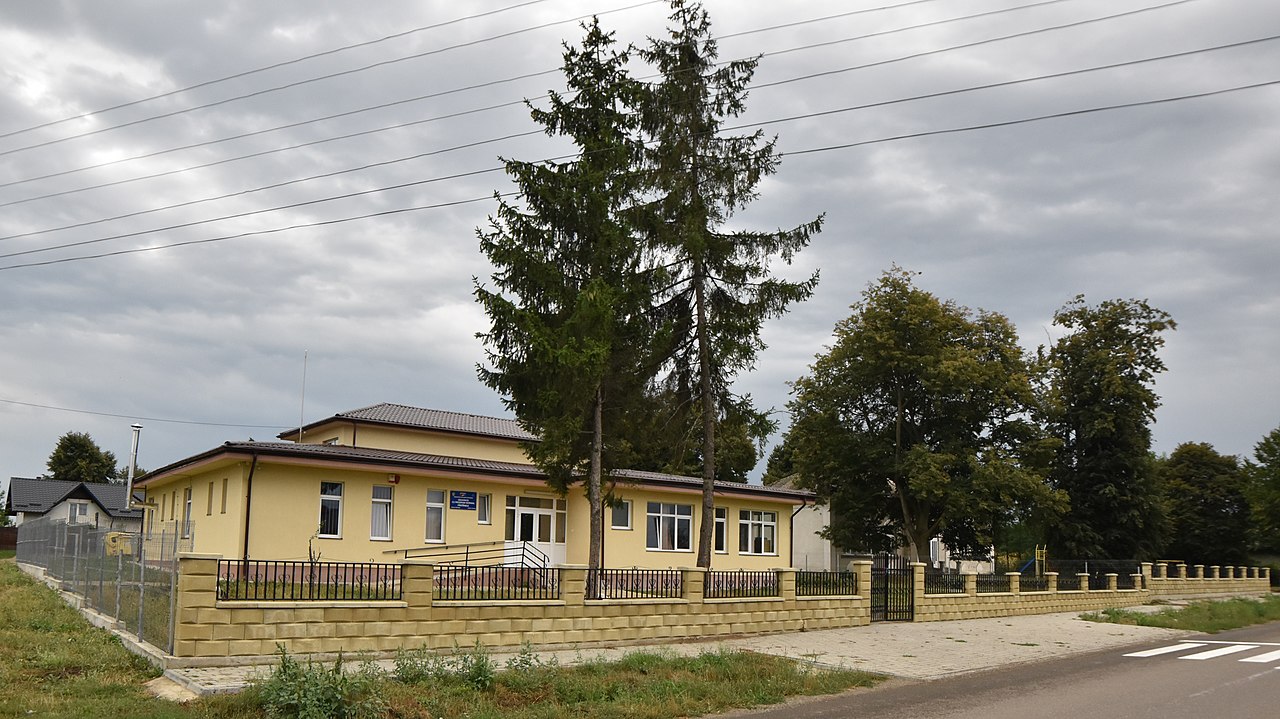
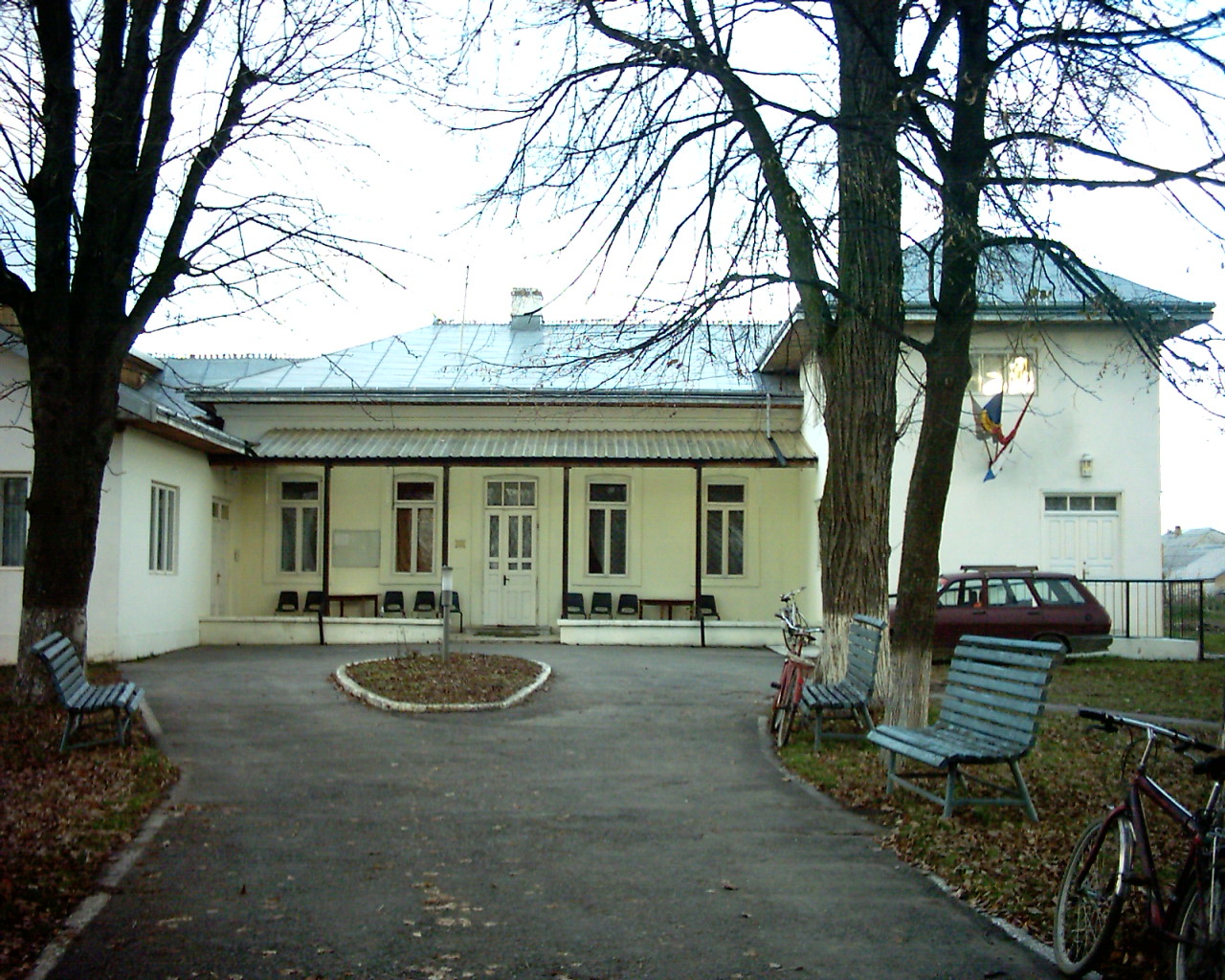
- Typical local features: village church, communal administration, primary school and small shops.
- Common economic activities: family farming, animal husbandry, woodworking and local services.
These features make the commune representative of rural life in the region while also reflecting local variations in craft and land use.
History, culture and significance
The area shares the broad historical influences of Suceava County: medieval Moldavian traditions, later Habsburg and interwar administrative changes that affected landholding and local institutions, and strong Orthodox Christian cultural patterns. Folk customs, seasonal festivals, traditional crafts and vernacular architecture remain visible in many villages, contributing to regional identity and continuity.
For visitors and researchers, Fântânele offers an example of contemporary rural administration and heritage in northeastern Romania: a living community shaped by agriculture, local governance and cultural continuity within Suceava County.
Related articles
Author
AlegsaOnline.com Fântânele, Suceava Leandro Alegsa
URL: https://en.alegsaonline.com/art/33485