
Fagatogo — administrative center and village in American Samoa
Fagatogo is the seat of government and principal village at the head of Pago Pago Harbor on Tutuila island, American Samoa, with a population of roughly 3,000 and a long administrative and commercial role.
Overview
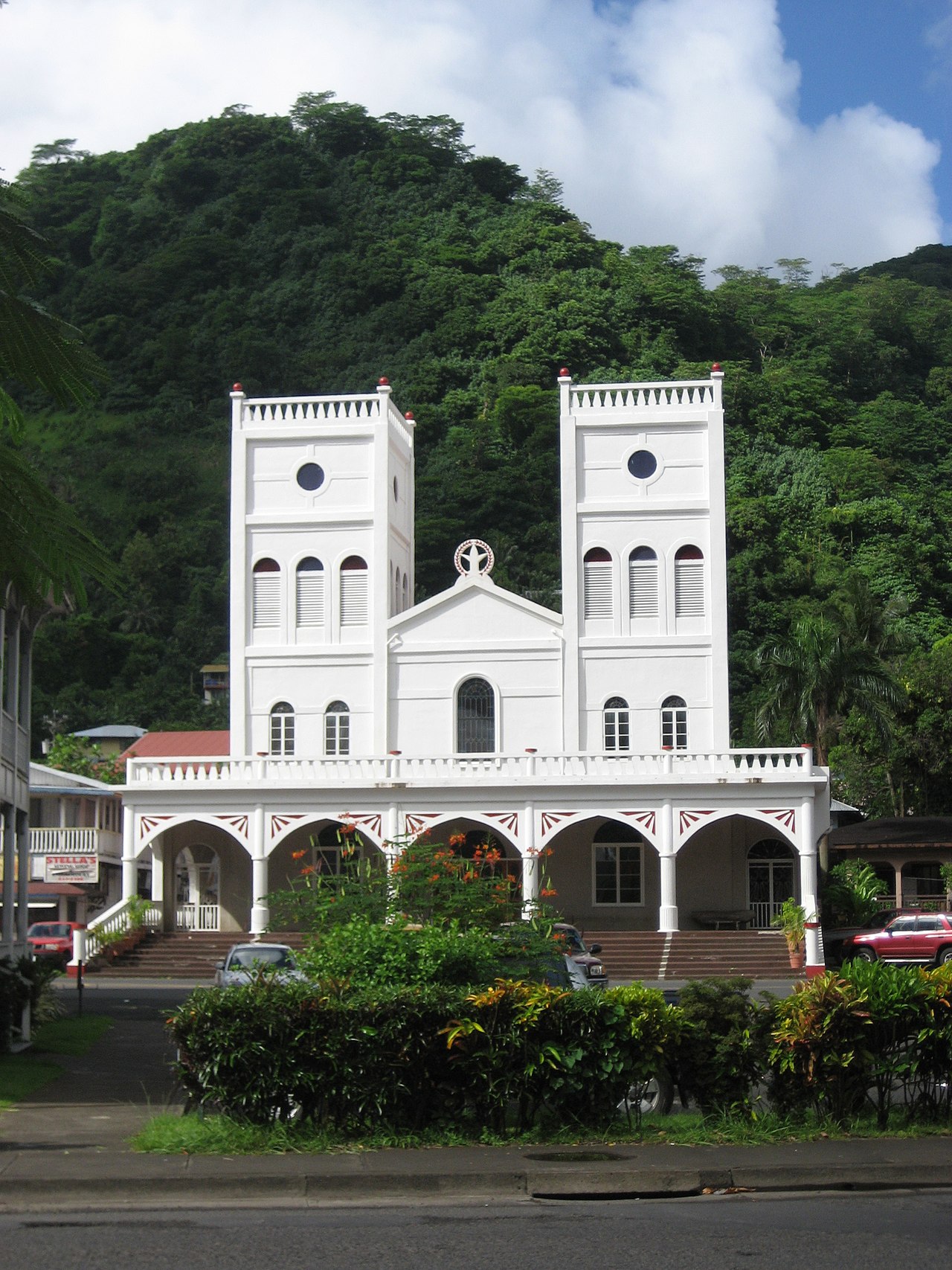
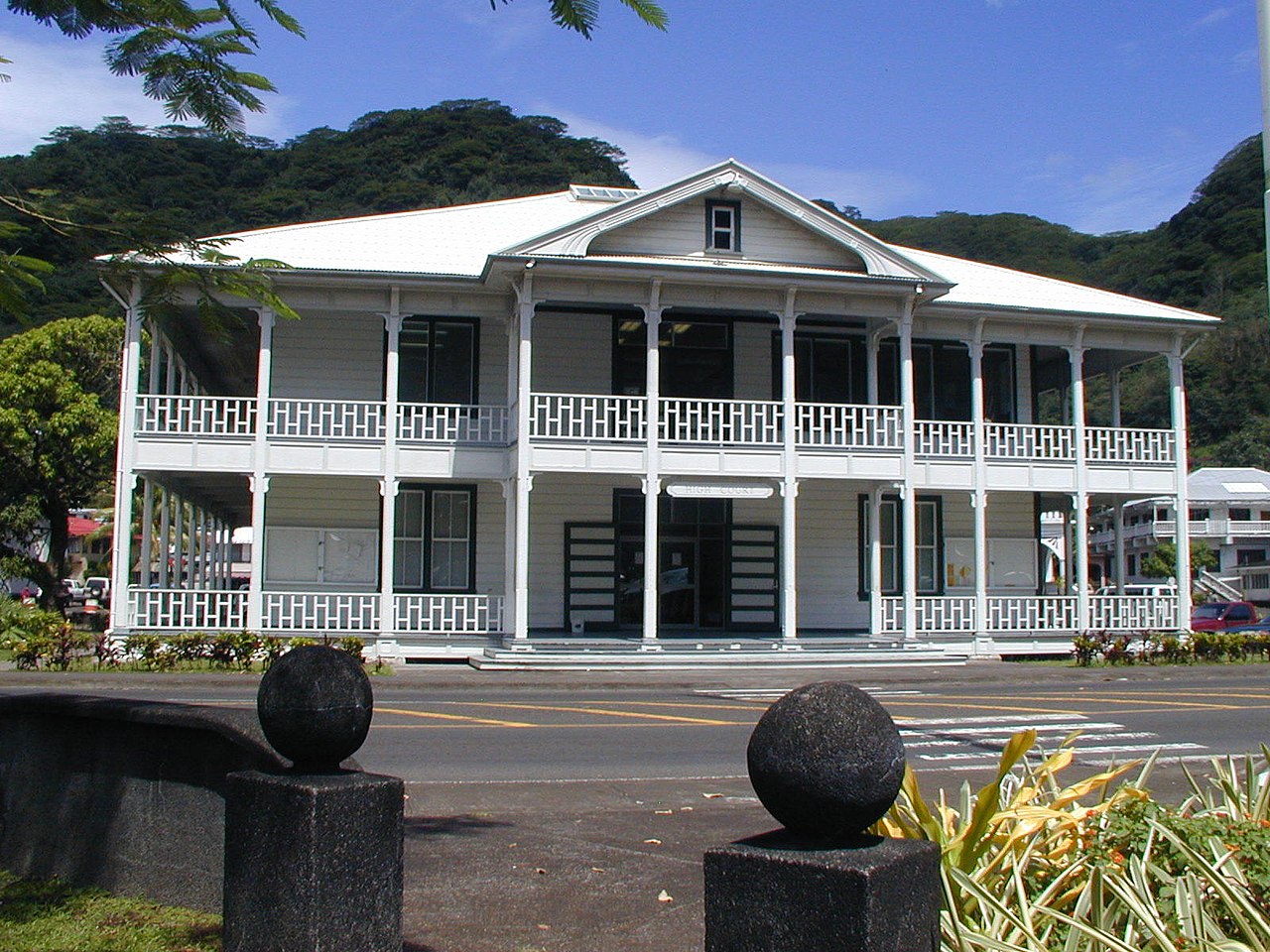
Fagatogo is a village on the island of Tutuila in American Samoa that functions as the territory's principal administrative and commercial center. Although Pago Pago is commonly cited as the capital, Fagatogo is the seat where many government offices and the territorial legislature are located. The village has a compact downtown area that faces the head of Pago Pago Harbor.
Image gallery
10 Images





Geography and population
Situated on the sheltered inner harbor, Fagatogo serves as a focal point for maritime and road connections on Tutuila. The settlement includes a mix of public buildings, small shops and community facilities. The permanent population is about 3,000 people, predominantly of Samoan descent, with seasonal visitors and workers adding to daytime activity.
History and governance
The village grew in importance under American administration in the early 20th century and became a center for territorial government functions. The American Samoan legislature (the Fono), administrative offices and other institutions are based in or near Fagatogo, which gives it a formal governmental role that is distinct from the wider Pago Pago urban area.
Economy, services and culture
Fagatogo combines civic services with retail and cultural life: small businesses, markets, banks and ferry connections cater to residents and visitors. Community events, religious gatherings and cultural festivals reflect Samoan traditions and support the village's role as both an administrative hub and local town center.
Key features and distinctions
- Administrative functions: seat of government and meeting place for territorial institutions (seat of government).
- Commercial services: shops, markets and transport links serving Tutuila.
- Geographic setting: located at the head of Pago Pago Harbor, adjacent to the broader Pago Pago area.
Because Fagatogo is physically and functionally integrated with the Pago Pago waterfront, the names are sometimes used interchangeably in casual reference. For formal purposes, however, Fagatogo's role as the administrative core is often distinguished from the broader urban and geographic name of Pago Pago.
Related articles
Author
AlegsaOnline.com Fagatogo — administrative center and village in American Samoa Leandro Alegsa
URL: https://en.alegsaonline.com/art/33221